Proximity switches, also known as proximity sensors, are indispensable components in modern industrial automation systems. These non-contact position sensors detect the presence or absence of an object within a defined sensing range without any physical contact. Operating on various principles such as inductive, capacitive, ultrasonic, and magnetic, they provide reliable and precise object detection, making them ideal for harsh industrial environments where durability, speed, and accuracy are paramount.
Inductive proximity switches are among the most common types, primarily used for detecting metallic objects. They generate an electromagnetic field and sense changes caused by a metallic target entering this field. This makes them perfect for applications in metal machining, automotive assembly lines, and robotic systems. Their robustness against dust, oil, and moisture ensures consistent performance in challenging conditions.
Capacitive proximity switches, on the other hand, can detect both metallic and non-metallic materials, including liquids, plastics, and wood. They work by measuring changes in capacitance when an object enters their electrical field. This versatility allows their use in industries like packaging, food processing, and chemical handling, where material diversity is common.
Magnetic proximity switches utilize reed switches or Hall-effect sensors to detect magnetic fields, typically from permanent magnets. They are highly reliable for position sensing in pneumatic cylinders, door and valve positioning, and safety interlocks. Their simplicity and resistance to environmental factors like dirt and humidity make them a preferred choice for many engineers.
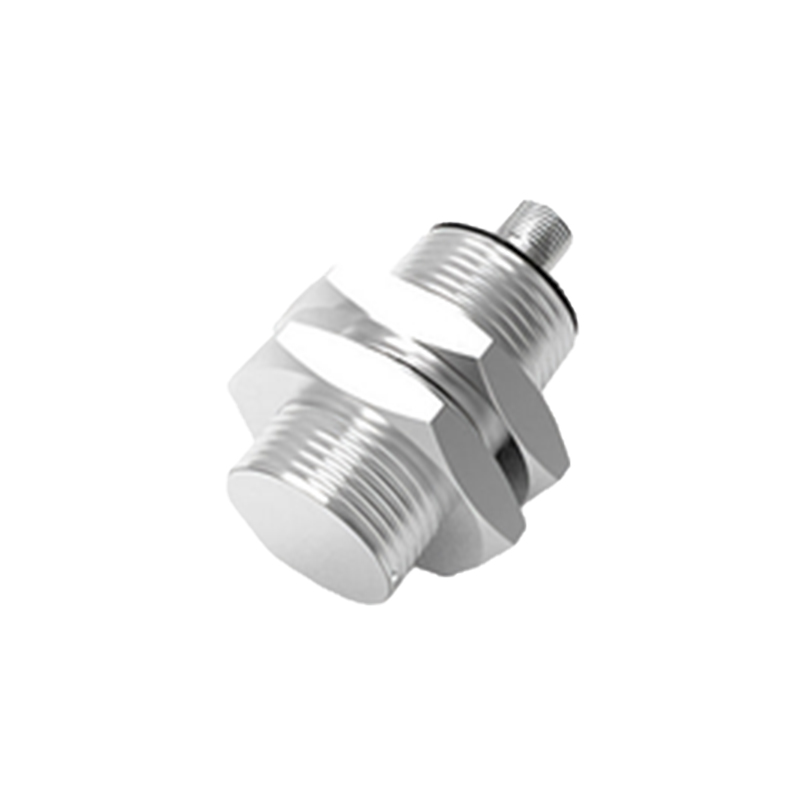
Ultrasonic proximity switches emit high-frequency sound waves and measure the time taken for the echo to return after hitting an object. They are effective for detecting objects at greater distances and are used in level sensing, collision avoidance in AGVs (Automated Guided Vehicles), and bulk material handling.
The selection of a proximity switch depends on factors such as the target material, required sensing distance, environmental conditions, response time, and output type (e.g., NPN, PNP, analog, or digital). Proper installation and alignment are crucial to avoid false triggers and ensure optimal performance. Regular maintenance, including cleaning and calibration, can extend the sensor's lifespan and reliability.
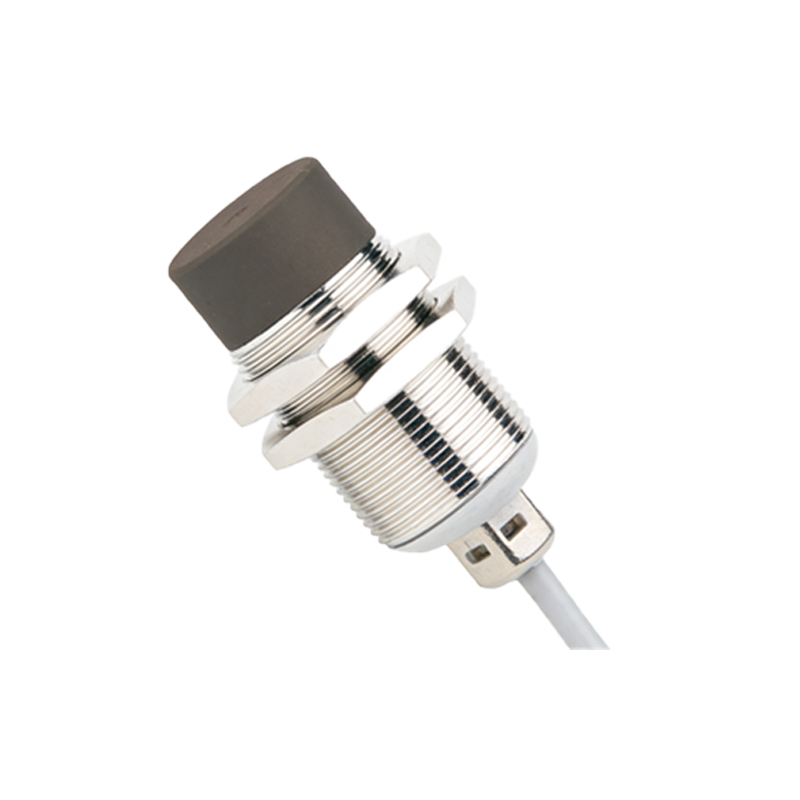
In summary, proximity switches play a critical role in enhancing efficiency, safety, and automation in industries. Their ability to provide non-contact, wear-free operation reduces downtime and maintenance costs, contributing to smarter and more productive manufacturing processes. As technology advances, innovations like IO-Link connectivity and smart sensors are further expanding their capabilities, enabling predictive maintenance and seamless integration into Industry 4.0 frameworks.