In modern industrial automation, laser sensors play a pivotal role in non-contact measurement, positioning, and quality control. One critical operational aspect often overlooked is the precise adjustment of laser sensor height—a factor that directly influences measurement accuracy, system reliability, and overall production efficiency. This article delves into the engineering principles, methodologies, and best practices for optimizing laser sensor elevation in automated systems.
The fundamental operating principle of a laser sensor involves emitting a focused beam toward a target and analyzing the reflected light. The sensor's height relative to the target surface determines the beam's incidence angle and spot size, which in turn affect signal strength and resolution. Incorrect sensor elevation can lead to erroneous readings, increased noise, or complete signal loss. For instance, in applications like thickness gauging, weld seam tracking, or robotic pick-and-place, even a millimeter-scale deviation in sensor height may propagate into significant downstream errors.
Several key factors must be considered when adjusting laser sensor height. First, the sensor’s specified working range, typically provided in datasheets, defines the optimal distance between the sensor head and the target. Operating within this range ensures linear output and minimal error. Second, environmental conditions such as ambient light, vibrations, and airborne particles can interfere with the laser beam. Elevating the sensor may sometimes reduce interference from dust or coolant mist, but excessive height can weaken the signal. Third, the target surface properties—including color, reflectivity, texture, and inclination—interact with the sensor height. A highly reflective surface might require a greater working distance to avoid saturation, while a dark, absorbent surface may need a closer proximity to enhance signal return.
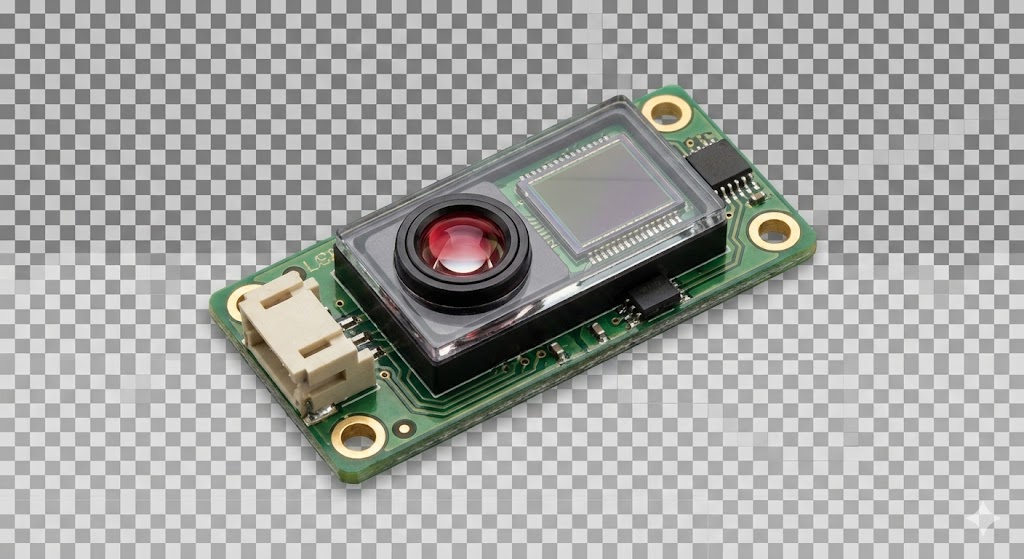
Engineers employ various hardware and software techniques to achieve and maintain optimal sensor height. Mechanically, sensor mounts with fine-threaded adjusters or motorized linear stages enable micron-level precision. Incorporating real-time feedback via distance-measuring sensors or vision systems allows for dynamic height correction in variable environments. From a software perspective, calibration algorithms can compensate for minor height deviations by adjusting sensitivity thresholds or applying correction curves. In networked systems, sensor height parameters can be integrated into programmable logic controller (PLC) routines, enabling automated adjustments based on product changeovers or process shifts.
A practical case in automotive assembly illustrates the importance of controlled sensor lifting. Here, laser sensors inspect panel gaps along a moving conveyor. Initially fixed at a standard height, sensors frequently misread due to panel warping and vibration. By implementing a pneumatically actuated lift mechanism that raises sensors by 15 mm during inspection cycles, engineers reduced false rejects by 40% and extended sensor lifespan by mitigating mechanical shock. The lift sequence, synchronized with the conveyor encoder, ensured consistent measurement geometry without slowing throughput.
Regular maintenance and validation are equally crucial. Over time, thermal expansion, mechanical wear, or accidental impacts can alter sensor alignment. Scheduled checks using calibrated reference targets help verify height settings. Additionally, documenting height configurations for different products streamlines changeovers and troubleshooting.
Looking ahead, advancements in smart sensor technology are simplifying height optimization. Some newer laser sensors incorporate built-in inclination sensing and auto-focus capabilities, automatically adjusting their internal optics to maintain performance across varying distances. Integration with industrial IoT platforms also enables predictive adjustments based on historical data and machine learning models.
In conclusion, meticulous attention to laser sensor height adjustment is not merely a setup task but a continuous engineering discipline. By understanding the interplay between sensor positioning, target properties, and environmental factors, automation professionals can unlock higher precision, stability, and efficiency in their systems. As industries push toward tighter tolerances and greater flexibility, mastering these elevation techniques will remain a cornerstone of robust automation design.