Inductive proximity sensors are fundamental components in modern industrial automation, offering reliable non-contact detection of metallic objects. As an electrical engineer with extensive field experience, I aim to provide a detailed exploration of these devices, covering their operating principles, key specifications, selection criteria, and practical application insights.
Operating Principle:
Inductive proximity sensors function based on electromagnetic induction. The sensor generates an oscillating electromagnetic field via a coil wound around a ferrite core. When a metallic target enters this field, eddy currents are induced on the target's surface, causing a change in the oscillation amplitude. This change is detected by the sensor's circuitry, triggering an output signal. The sensing range depends on the target material's conductivity and permeability, with ferrous metals typically offering the longest detection distances.
Key Specifications and Terminology:
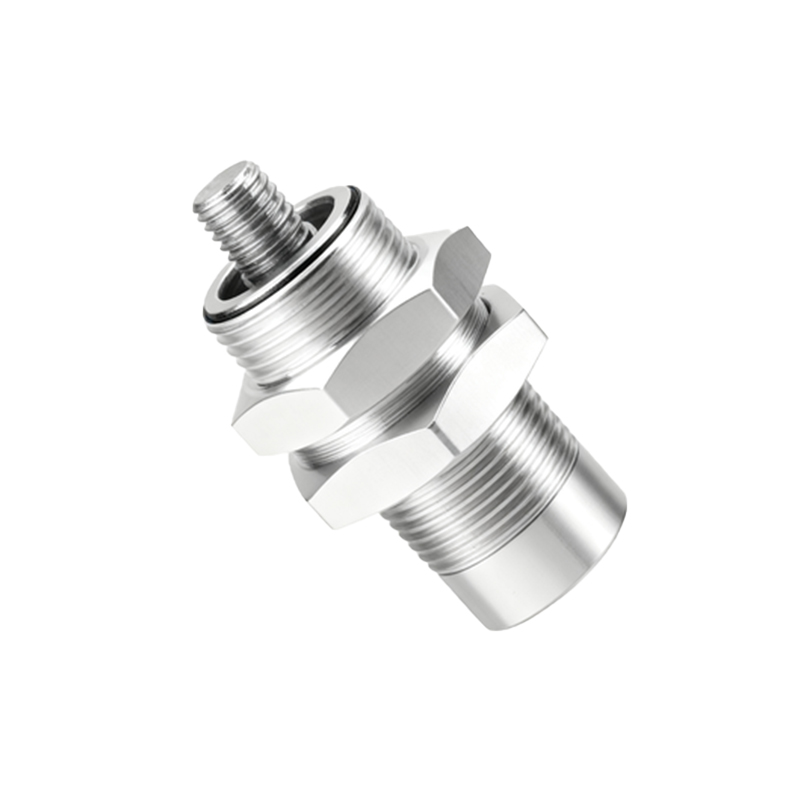
1. Sensing Distance: Rated operating distance (Sn) under standardized conditions.
2. Hysteresis: Difference between switch-on and switch-off points, preventing output chatter.
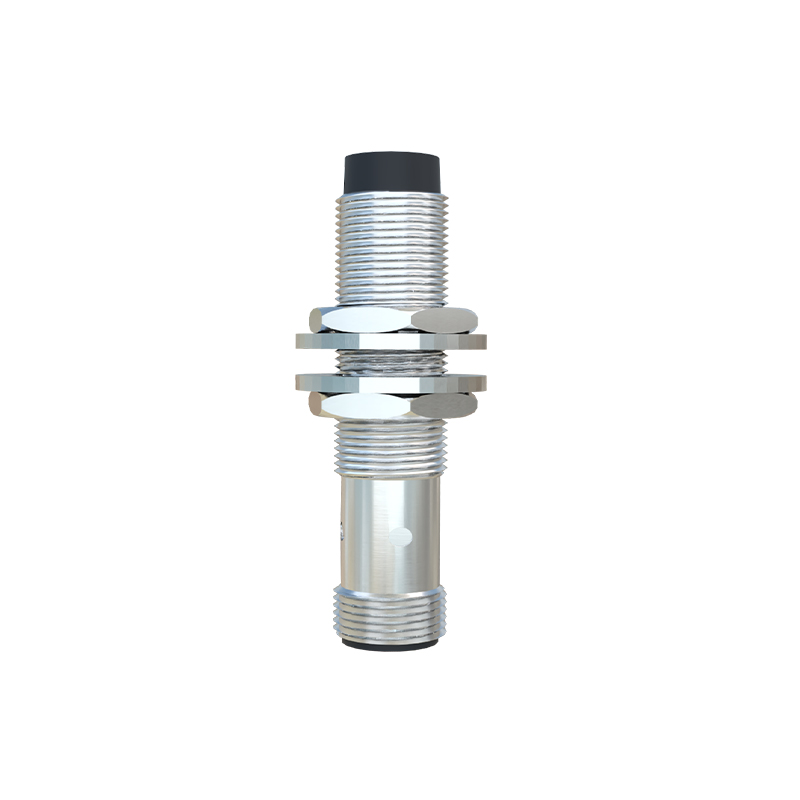
3. Response Frequency: Maximum number of detection operations per second.
4. Output Types: PNP/NPN configurations, analog outputs (4-20mA, 0-10V), or IO-Link digital communication.
5. Housing Materials: Stainless steel, brass, or PBT plastic for different environmental conditions.
6. Protection Ratings: IP67/IP69K for washdown applications, ensuring resistance to water, oils, and chemicals.
Selection Considerations:
When specifying inductive proximity sensors, engineers must evaluate:
- Target Material: Ferrous metals, non-ferrous metals, or specific alloys
- Installation Constraints: Barrel-style, rectangular, or ring-shaped housings
- Environmental Factors: Temperature extremes, vibration, and potential contaminants
- Electrical Requirements: Supply voltage (10-30V DC typically), output current capacity
- Safety Requirements: Functional safety (SIL/PL rated) versions for critical applications
Application Examples:
1. Machine Tool Positioning: Detecting tool presence, spindle position, or workpiece clamping
2. Conveyor Systems: Counting metallic parts, detecting jams, or monitoring production flow
3. Robotic End-Effectors: Verifying gripper engagement with metallic components
4. Automotive Assembly: Ensuring proper seating of engine blocks or transmission housings
5. Packaging Machinery: Monitoring foil-lined containers or metallic closures
Installation Best Practices:
- Maintain proper clearance from adjacent metal surfaces (typically 2-3 times sensor diameter)
- Consider temperature effects on sensing distance in extreme environments
- Implement shielding when multiple sensors operate in close proximity
- Use correct mounting hardware to prevent mechanical stress on housing
- Follow manufacturer guidelines for wiring and grounding to minimize electrical noise
Maintenance and Troubleshooting:
Regular inspection should include checking for physical damage, buildup of metallic debris, and proper electrical connections. Common issues include reduced sensing distance (often from worn sensing faces), erratic operation (frequently due to electrical interference), or complete failure (typically from wiring problems or internal component failure). Modern sensors with diagnostic capabilities through IO-Link can significantly simplify maintenance procedures.
Future Developments:
The evolution of inductive proximity sensors continues with miniaturization, increased sensing distances, and enhanced communication capabilities. Smart sensors with embedded diagnostics, predictive maintenance features, and wireless connectivity are becoming more prevalent. Additionally, developments in materials science may expand detection capabilities to include previously challenging targets like thin foils or specially coated metals.
In conclusion, inductive proximity sensors remain indispensable in industrial automation due to their robustness, reliability, and versatility. Proper selection, installation, and maintenance ensure optimal performance across countless applications, from simple presence detection to complex positioning tasks in demanding industrial environments.