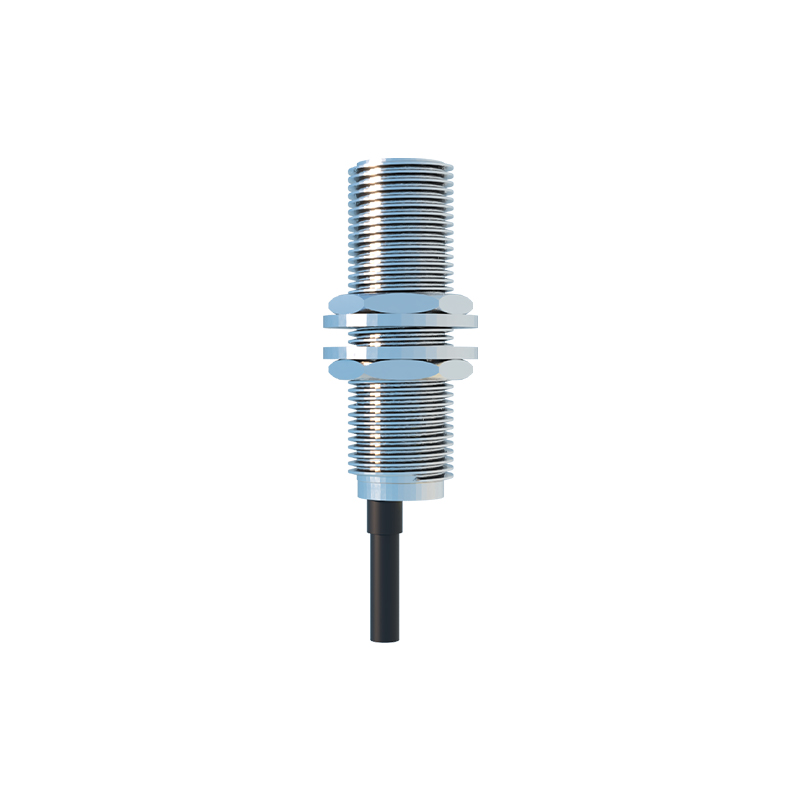
The manufacturing of proximity sensors is a sophisticated process that integrates precision engineering, advanced electronics, and stringent quality control. As a senior electrical engineer in the industry, I will outline the comprehensive production workflow, highlighting key stages from design to final testing. This process ensures reliable performance in diverse applications, including automation, automotive systems, and industrial machinery.
The journey begins with design and prototyping. Engineers develop sensor specifications based on client requirements, such as sensing range, output type (e.g., NPN/PNP), and environmental resistance. Using CAD software, detailed schematics and 3D models are created to optimize the housing, coil assembly, and circuitry. Prototypes are then fabricated for validation, undergoing initial tests to verify functionality under simulated conditions. This phase is critical for identifying potential issues before mass production.
Once the design is finalized, raw material procurement commences. Key components include ferrite cores for inductive sensors, oscillation circuits, amplifier ICs, and durable housing materials like PBT or stainless steel. Suppliers are selected based on quality certifications, such as ISO 9001, to ensure consistency. Materials undergo incoming inspection using tools like spectrometers and calipers to check dimensions and composition, preventing defects early in the chain.
The core production stage involves PCB assembly and coil winding. For inductive proximity sensors, copper wires are precisely wound around ferrite cores using automated machines to achieve consistent inductance values. The PCB, which houses the oscillator, demodulator, and output circuitry, is populated with SMD components via pick-and-place systems. Reflow soldering then secures these components, followed by automated optical inspection (AOI) to detect soldering defects or misalignments.
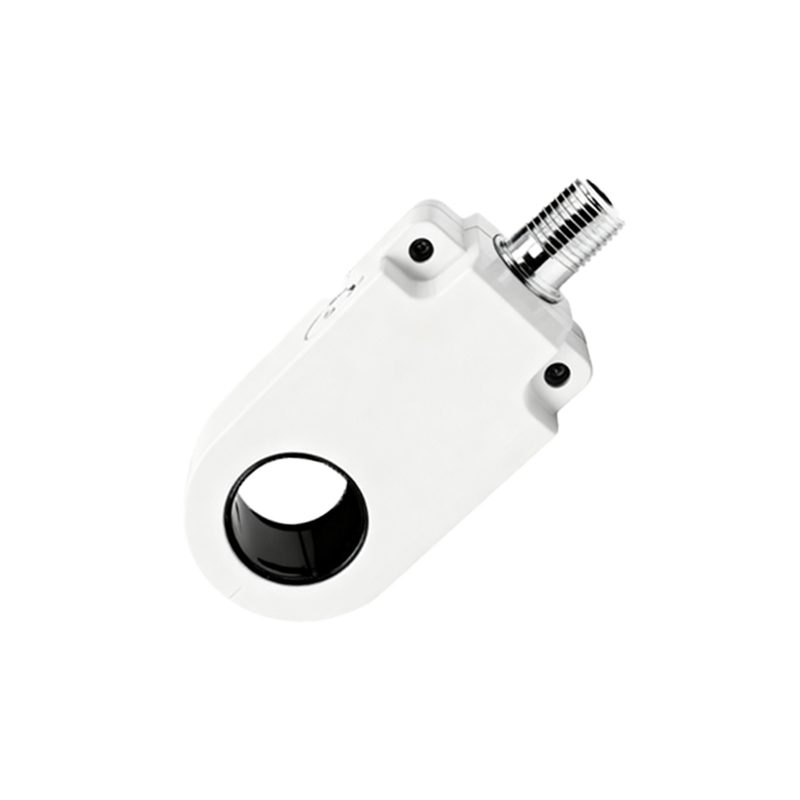
Next, encapsulation and housing assembly take place. The sensor’s internal module is potted with epoxy resin to protect against moisture, vibration, and chemical exposure. The housing, often made from nickel-plated brass or polymer, is assembled with threaded connections for easy installation. Laser marking adds serial numbers and ratings (e.g., IP67 protection). This step ensures durability in harsh industrial environments.
Calibration and functional testing are pivotal for accuracy. Each sensor is calibrated using reference targets at specified distances to adjust sensitivity thresholds. Automated test benches simulate real-world scenarios, checking parameters like switching frequency, hysteresis, and temperature tolerance (-25°C to 70°C). Data loggers record performance metrics, and any unit failing to meet standards is rejected for rework.
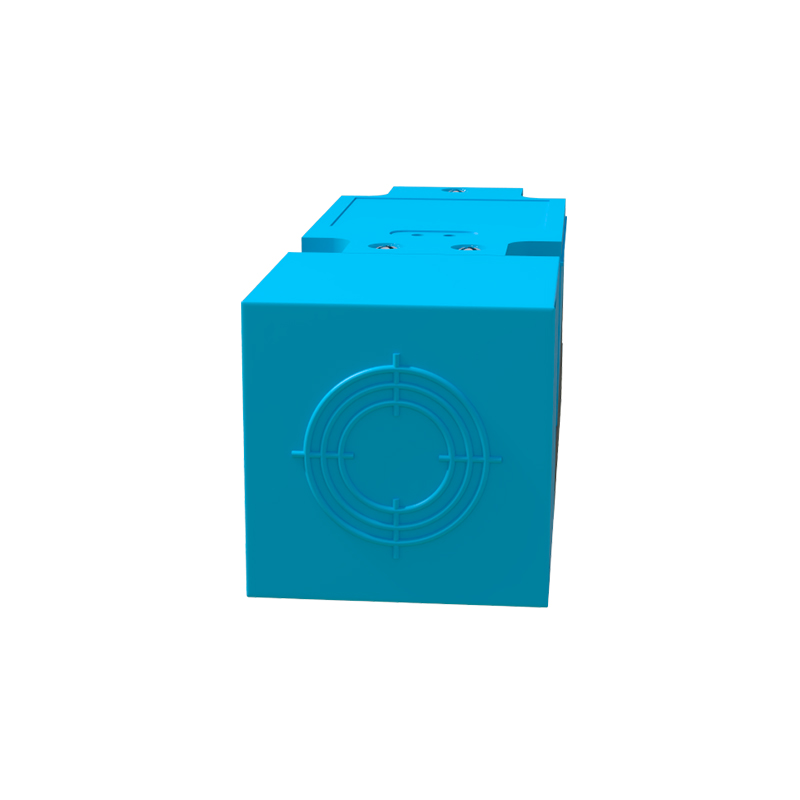
Finally, quality assurance and packaging conclude the process. Sensors undergo 100% final inspection, including dielectric strength tests and shock resistance checks. They are then packaged in anti-static materials with datasheets and compliance labels (CE, RoHS). Batch samples are retained for life-cycle testing, ensuring long-term reliability. The entire process, from design to dispatch, typically takes 2-4 weeks, depending on order volume and customization.
In summary, proximity sensor production blends automation with meticulous oversight. Advances in IoT and Industry 4.0 are driving innovations, such as IO-Link integration and miniaturization. By adhering to strict protocols, manufacturers deliver sensors that enhance safety and efficiency in modern industrial systems.