In the world of industrial automation, consumer electronics, and automotive systems, the ability to detect the presence, absence, or position of an object without physical contact is paramount. Among the various non-contact sensing technologies, proximity magnetic sensors stand out for their reliability, durability, and versatility. These sensors operate by detecting changes in a magnetic field, typically caused by the movement of a ferromagnetic target or a permanent magnet.
The fundamental principle behind a proximity magnetic sensor is based on magnetism. Most commonly, these sensors utilize the Hall effect or magnetoresistive (MR) technologies. A Hall effect sensor generates a voltage difference (the Hall voltage) across an electrical conductor when a magnetic field is applied perpendicular to the current flow. This voltage is proportional to the strength of the magnetic field, allowing the sensor to detect the proximity of a magnet. Magnetoresistive sensors, on the other hand, change their electrical resistance in the presence of a magnetic field. Both technologies convert magnetic information into an electrical signal that can be easily processed by control systems.
The advantages of using magnetic proximity sensors are significant. They are inherently robust, as the sensing element is often sealed within a housing, making them resistant to contaminants like dust, oil, and moisture—a critical feature in harsh industrial environments. Unlike optical sensors, they are not affected by ambient light, dirt, or fog. Their operation is not reliant on the color or surface finish of the target object, only its magnetic properties. Furthermore, they offer non-wearing operation since there is no physical contact, leading to exceptionally long service life and reduced maintenance.
Applications for proximity magnetic sensors are vast and varied. In the automotive industry, they are ubiquitous. They are used for detecting gear position in transmissions, measuring wheel speed for anti-lock braking systems (ABS), and sensing crankshaft and camshaft position for engine management. In factory automation, they serve as end-of-travel limit switches on linear actuators, detect the position of cylinders, and count metallic parts on conveyor belts. Consumer electronics also benefit from this technology; the flip cover of a laptop or a smartphone often uses a tiny Hall effect sensor to put the device to sleep when closed. They are also found in brushless DC motors to commutate the windings efficiently.
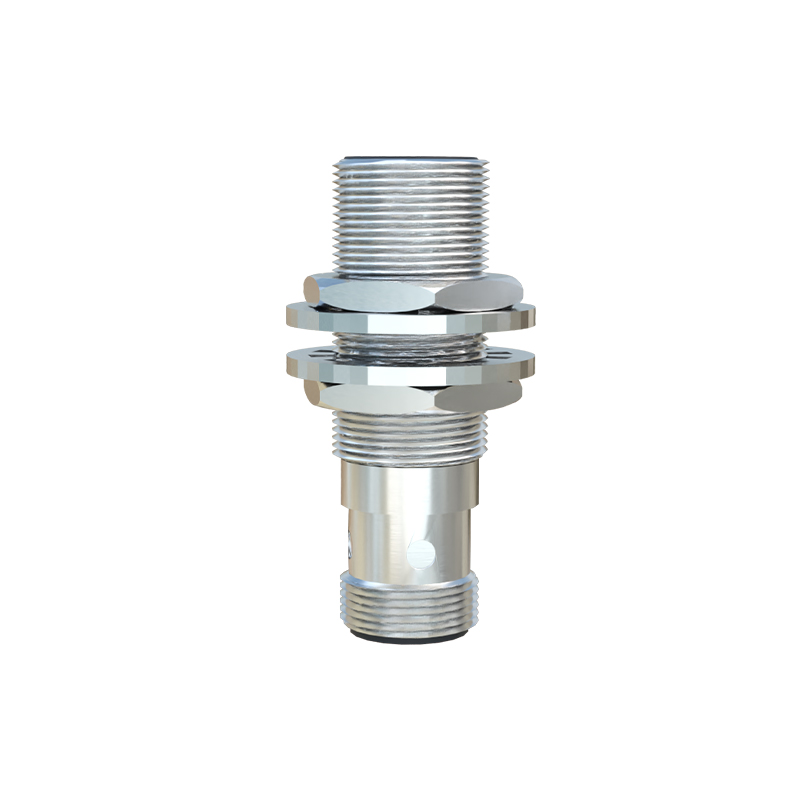
Selecting the right proximity magnetic sensor for an application requires careful consideration of several key parameters. First is the sensing distance or range, which defines how far the target can be from the sensor to trigger a reliable signal. This is often specified with a standard target. The type of output is crucial: digital outputs (like NPN/PNP transistors or open-collector) provide a simple on/off signal, while analog outputs (voltage or current) offer a signal proportional to the distance or field strength, useful for position sensing. The operating voltage must match the control system's supply, commonly 5V, 12V, or 24V DC. Environmental factors such as temperature range, shock and vibration resistance, and ingress protection (IP) rating must align with the operating conditions. Finally, the physical package size and mounting style (threaded barrel, rectangular block, or surface-mount) must fit the mechanical design.
When integrating these sensors, proper installation is key to optimal performance. The sensor should be mounted securely to minimize vibration. The orientation relative to the target magnet is critical, as magnetic fields have directional properties. For sensing ferrous metals, the target's size, shape, and material grade (like mild steel vs. stainless steel) will affect the effective sensing distance. Shielding may be necessary in applications with strong external magnetic fields to prevent false triggering.
Looking ahead, the evolution of proximity magnetic sensors continues. Trends include miniaturization for space-constrained applications, integration of more signal conditioning and communication interfaces (like I2C or SPI) on a single chip, and the development of sensors with higher sensitivity and lower power consumption for battery-operated devices. 3D magnetic sensors, capable of detecting the field vector in three dimensions, are opening new possibilities in advanced angular and linear position sensing.
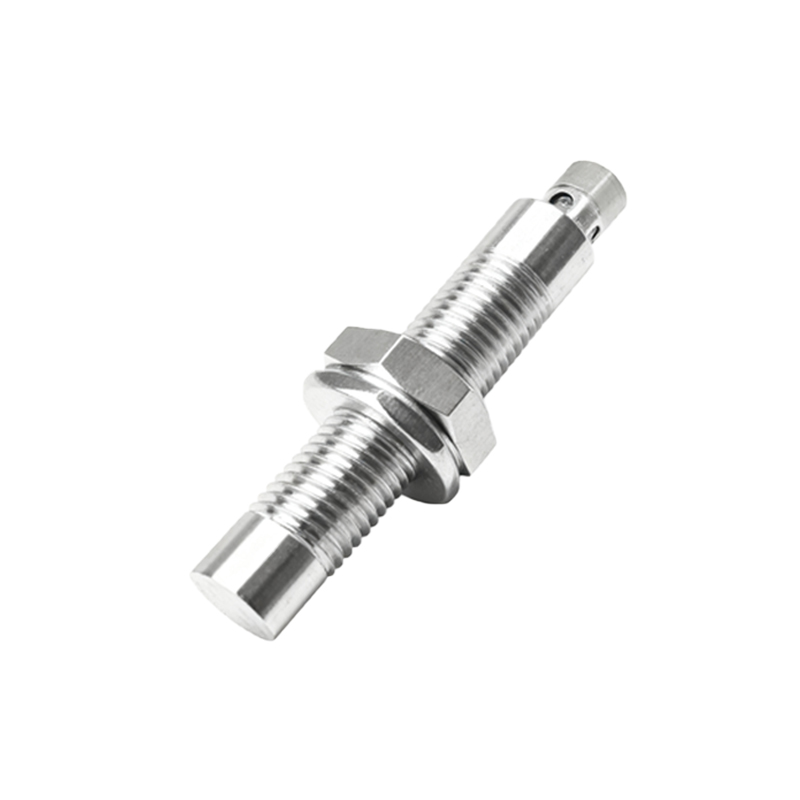
In conclusion, proximity magnetic sensors are a cornerstone of modern sensing technology. Their non-contact nature, environmental robustness, and precise detection capabilities make them an indispensable component across countless industries. By understanding their operating principles, key features, and application requirements, engineers and designers can effectively harness their power to create more reliable, efficient, and intelligent systems.