Laser sensor probes represent a critical advancement in industrial measurement and detection technologies. These devices utilize laser beams to achieve high-precision, non-contact sensing across various applications, from manufacturing automation to quality control. The fundamental principle involves emitting a focused laser beam toward a target; the reflected light is then analyzed to determine parameters such as distance, displacement, thickness, or presence. Unlike traditional contact sensors, laser probes eliminate mechanical wear and contamination risks, ensuring long-term reliability and accuracy.
Common types include triangulation sensors, which calculate position based on the angle of reflected light, and time-of-flight sensors, measuring the round-trip time of laser pulses for distance assessment. Key components comprise a laser diode, optical lens system, photodetector, and signal processing unit. The laser diode generates coherent light, typically in the visible or infrared spectrum, while lenses focus the beam onto the target. The photodetector captures the reflection, converting light signals into electrical data for analysis. Advanced models integrate microprocessors for real-time calibration and noise reduction, adapting to environmental variables like ambient light or surface reflectivity.
In industrial settings, laser sensor probes excel in tasks requiring micron-level precision. For instance, in automotive assembly, they monitor component alignment and weld seam quality. In electronics manufacturing, they inspect circuit board soldering and component placement. Additionally, they facilitate profile scanning for 3D modeling and defect detection in materials such as metals, plastics, and textiles. Their non-invasive nature makes them ideal for delicate or high-speed processes, where physical contact could cause damage or inefficiency.

Performance factors include resolution, response time, and operating range. High-resolution probes can detect sub-micron changes, crucial for semiconductor fabrication. Fast response times, often in microseconds, support dynamic measurements in robotics or conveyor systems. Operating ranges vary from millimeters to several meters, with selection depending on application needs. Environmental robustness is also vital; industrial-grade probes feature housings resistant to dust, moisture, and temperature fluctuations, complying with standards like IP67 or NEMA ratings.
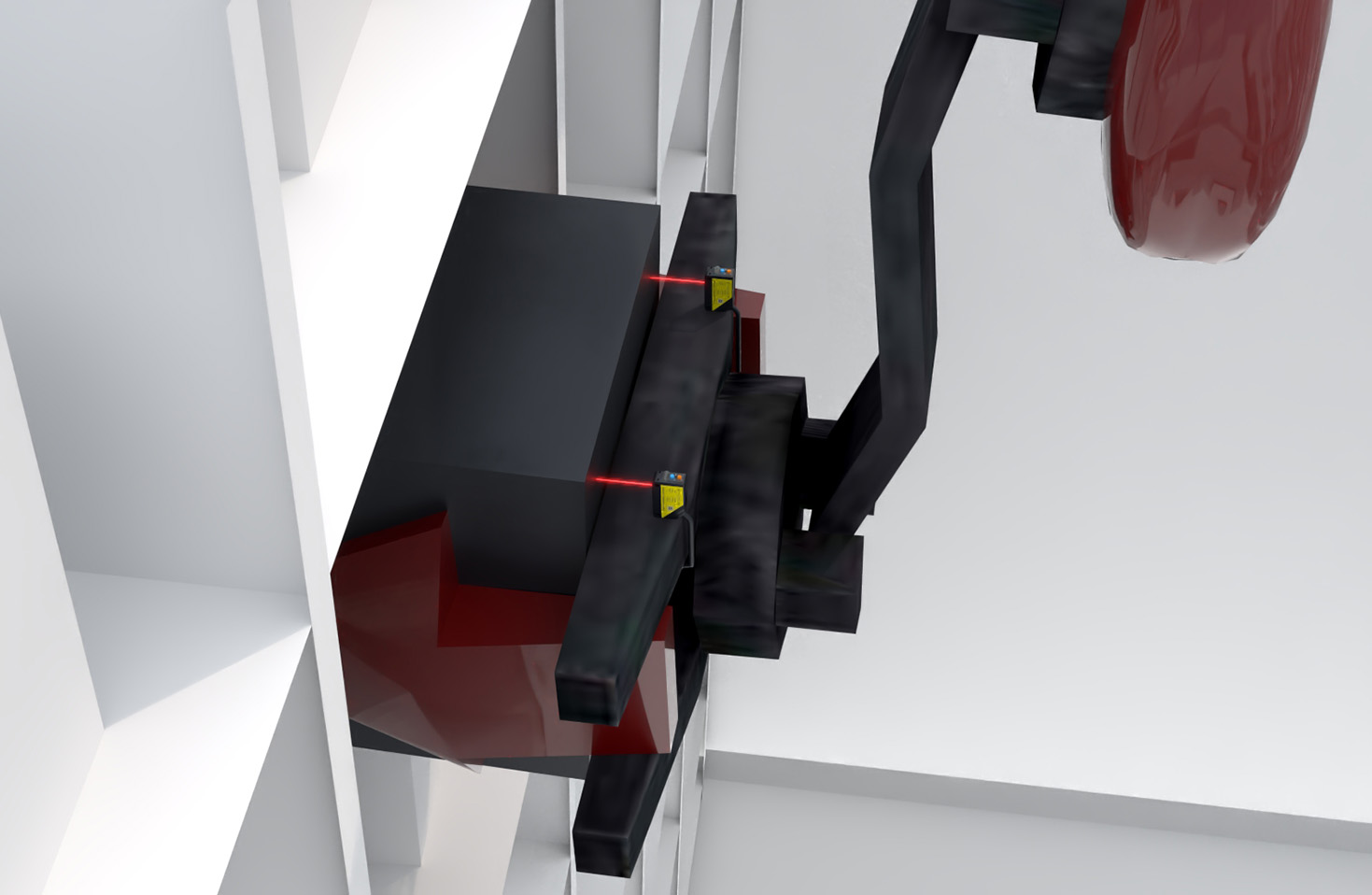
Challenges persist, such as interference from highly reflective or transparent surfaces, which can scatter or absorb laser beams, leading to measurement errors. Solutions involve adaptive algorithms or hybrid sensing techniques combining lasers with other technologies. Future trends point toward miniaturization, enhanced connectivity via IoT integration, and AI-driven analytics for predictive maintenance. As industries embrace smart manufacturing, laser sensor probes will continue evolving, offering greater efficiency and innovation in automation and quality assurance.
Overall, laser sensor probes are indispensable tools in modern engineering, bridging gaps between precision requirements and operational demands. Their versatility and accuracy drive advancements across sectors, underscoring their role in fostering industrial growth and technological progress.