Clamp-on proximity sensors represent a significant advancement in industrial automation, offering a non-invasive method for detecting metallic objects without direct contact. These sensors operate on the principle of electromagnetic induction, generating an oscillating magnetic field that interacts with conductive materials. When a metal target enters this field, eddy currents are induced, causing a change in the sensor's oscillation amplitude or frequency. This alteration is detected by the internal circuitry, triggering an output signal that can be used for control, monitoring, or safety purposes.
The design of clamp-on sensors allows for easy installation around existing structures, such as pipes, shafts, or conveyor frames, without requiring modifications or downtime. This feature is particularly valuable in retrofit applications where traditional mounting methods are impractical. Common types include inductive sensors for ferrous metals and capacitive variants for non-ferrous materials, each tailored to specific operational needs. Key performance parameters include sensing range, response time, temperature tolerance, and environmental protection ratings (e.g., IP67 for dust and water resistance).
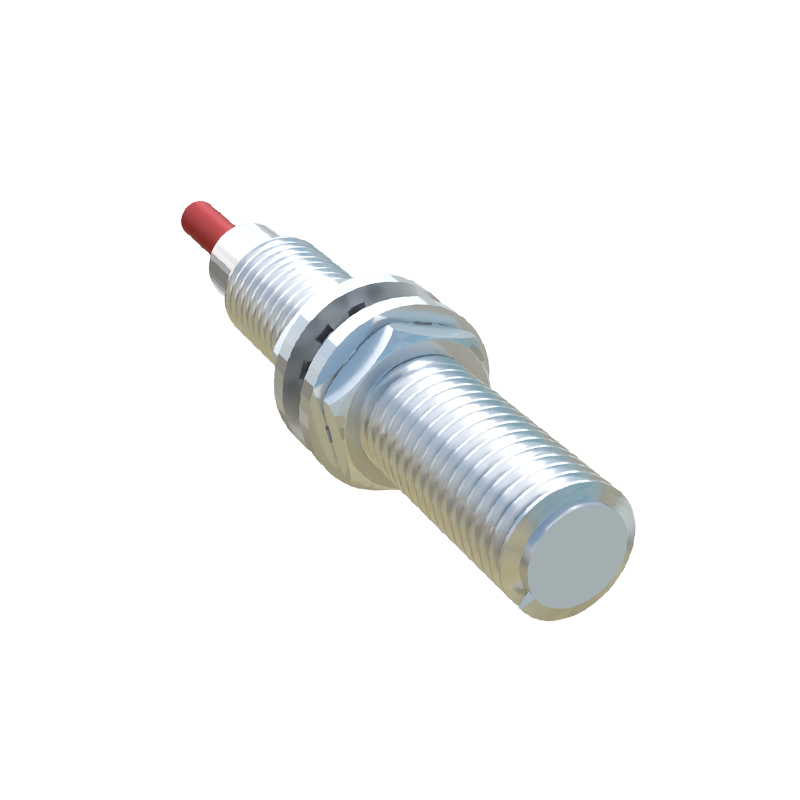
In practice, clamp-on proximity sensors are widely deployed across industries like manufacturing, automotive, and material handling. For instance, they monitor the presence of components on assembly lines, detect rotational speed in machinery, or ensure proper positioning in robotic systems. Their reliability in harsh conditions—such as exposure to vibration, oil, or extreme temperatures—makes them indispensable for maintaining operational efficiency. However, users must consider factors like target material, size, and installation orientation to optimize performance. Regular calibration and adherence to manufacturer guidelines help prevent false triggers or signal degradation.
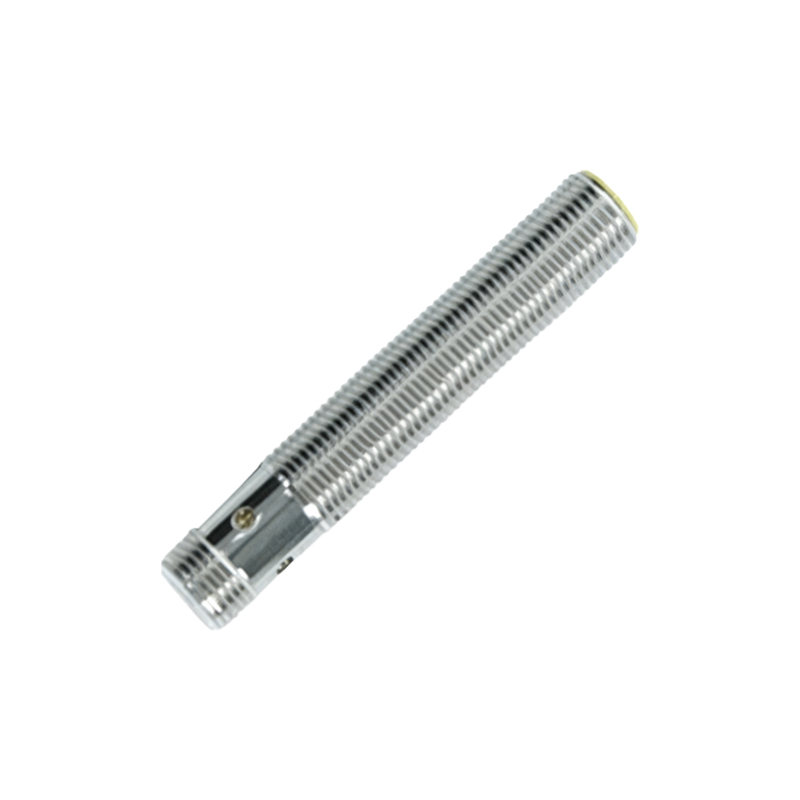
Advancements in technology have led to the development of smart clamp-on sensors with integrated diagnostics and communication protocols (e.g., IO-Link). These devices provide real-time data on sensor health and process variables, enabling predictive maintenance and reducing unplanned downtime. As industries embrace Industry 4.0, the role of clamp-on proximity sensors in enabling seamless automation continues to expand, driving innovations in precision and connectivity.