In the dynamic landscape of industrial automation, stainless steel proximity sensors have emerged as critical components, prized for their durability, reliability, and performance in harsh environments. These non-contact sensing devices, housed in robust stainless steel casings, are engineered to detect the presence or absence of metallic objects without physical contact. Their resistance to corrosion, high temperatures, pressure, and chemical exposure makes them indispensable in sectors ranging from food and beverage processing and pharmaceutical manufacturing to heavy machinery, marine applications, and wastewater treatment. The global market for these sensors is driven by the relentless push for Industry 4.0, smart manufacturing, and the need for maintenance-free, long-lasting sensing solutions.
The choice of a stainless steel proximity sensor company is a strategic decision that impacts operational efficiency and system longevity. Leading manufacturers distinguish themselves through several key pillars. First is material science and housing integrity. Premium companies utilize high-grade stainless steel, such as 303, 304, 316, or 316L, often with advanced sealing technologies (e.g., laser welding, epoxy-free designs) to achieve exceptional ingress protection ratings like IP67, IP68, and IP69K. This ensures the sensor can withstand frequent washdowns with high-pressure, high-temperature water and caustic cleaning agents, a common requirement in hygienic industries.
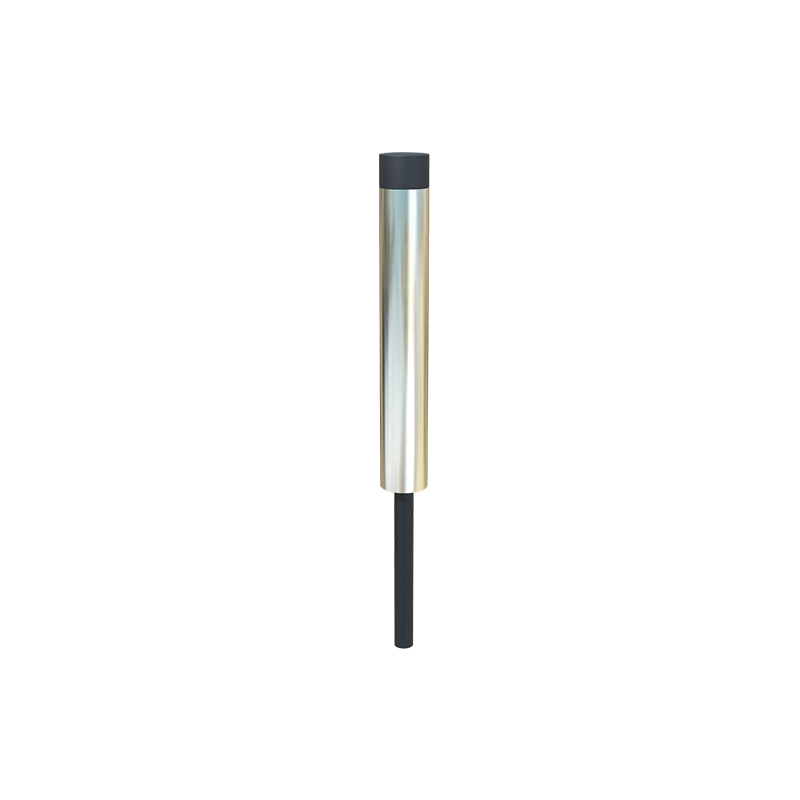
Second is sensing technology and performance. While inductive sensors are the standard for detecting ferrous and non-ferrous metals, top-tier companies offer a vast array of options. This includes factors like sensing distance, which can be standard or factor-1 (reduced) for flush mounting in metal; output configurations (PNP/NPN, NO/NC, analog, IO-Link); and specialized designs like cylindrical, rectangular, or ring-shaped sensors. Innovations in this space are continuous. For instance, the integration of IO-Link digital communication transforms a simple sensor into a smart device, enabling real-time parameter adjustment, condition monitoring, predictive maintenance data, and seamless integration into Industrial Internet of Things (IIoT) architectures. This digital intelligence allows for remote diagnostics, reducing downtime and optimizing production processes.
Another critical differentiator is application-specific engineering. Reputable manufacturers don't just sell standard catalog items; they provide deep application expertise. They develop sensors tailored for extreme conditions, such as those found in foundries with extreme heat or in offshore platforms with constant saltwater exposure. Companies also offer variants with FDA-compliant materials for direct food contact, or sensors with exceptionally high electromagnetic compatibility (EMC) and noise immunity for use near heavy welders or large motors. The ability to provide custom cable lengths, connector types, and even specialized sensing faces (e.g., PTFE-coated) is a hallmark of a customer-centric supplier.
Furthermore, global supply chain robustness, technical support, and certification adherence are non-negotiable for industry leaders. Companies with a strong global presence ensure consistent availability and logistical support. Comprehensive technical documentation, CAD models for easy integration into machine design, and responsive application engineering teams are vital resources for system integrators and end-users. Certifications from international bodies like UL, CSA, ATEX (for hazardous areas), and CE/RoHS are testaments to a product's quality, safety, and environmental compliance.
The competitive landscape features a mix of established multinational conglomerates and agile specialized firms. Large automation giants often offer stainless steel sensors as part of their comprehensive portfolio, benefiting from brand recognition and system integration advantages. On the other hand, niche-focused manufacturers compete through deep specialization, rapid customization, and sometimes more cost-effective solutions for specific market segments. The trend is clearly moving towards smarter, more connected sensors that provide not just a switching signal but valuable data insights, contributing to the overall efficiency and intelligence of automated systems.
In conclusion, selecting a partner in the stainless steel proximity sensor industry requires a careful evaluation of more than just product specifications. It involves assessing the manufacturer's commitment to material quality, technological innovation, application understanding, and global support. As industries continue to automate and demand more from their equipment in challenging environments, the companies that invest in R&D for more resilient, intelligent, and connected sensing solutions will lead the market. The right sensor, from the right company, is not merely a component but a foundational element for building resilient, efficient, and future-proof industrial operations.