In the world of modern electronics and automated manufacturing, Surface Mount Technology (SMT) has become the dominant method for assembling printed circuit boards (PCBs). Among the myriad components mounted using this process, SMT proximity sensors stand out as critical elements enabling smart, responsive, and efficient systems. These sensors, designed to be placed directly onto the surface of a PCB, detect the presence or absence of nearby objects without any physical contact. Their integration via SMT offers significant advantages over traditional through-hole components, including reduced size, improved reliability, and faster automated assembly.
The core technology behind an SMT proximity sensor typically involves inductive, capacitive, or photoelectric sensing principles. Inductive sensors are ideal for detecting metallic objects, generating an electromagnetic field and monitoring disturbances caused by a target. Capacitive sensors can detect both metallic and non-metallic materials, such as liquids, plastics, or wood, by measuring changes in capacitance. Photoelectric SMT sensors use a light emitter and receiver to detect objects based on the interruption or reflection of a light beam. The choice of technology depends entirely on the application's specific requirements, including target material, sensing distance, environmental conditions, and required response speed.
The adoption of SMT for these sensors brings transformative benefits to product design and manufacturing. The most immediate advantage is the dramatic reduction in size and weight. SMT proximity sensors are significantly smaller than their through-hole counterparts, allowing for more compact and sophisticated electronic devices. This miniaturization is crucial for applications in consumer electronics, wearable technology, and advanced robotics where space is at a premium. Furthermore, the SMT assembly process is highly automated, utilizing pick-and-place machines and reflow soldering ovens. This automation ensures consistent, high-quality solder joints, leading to superior mechanical strength and electrical connectivity compared to manual soldering. The result is a sensor with enhanced long-term reliability and performance stability.
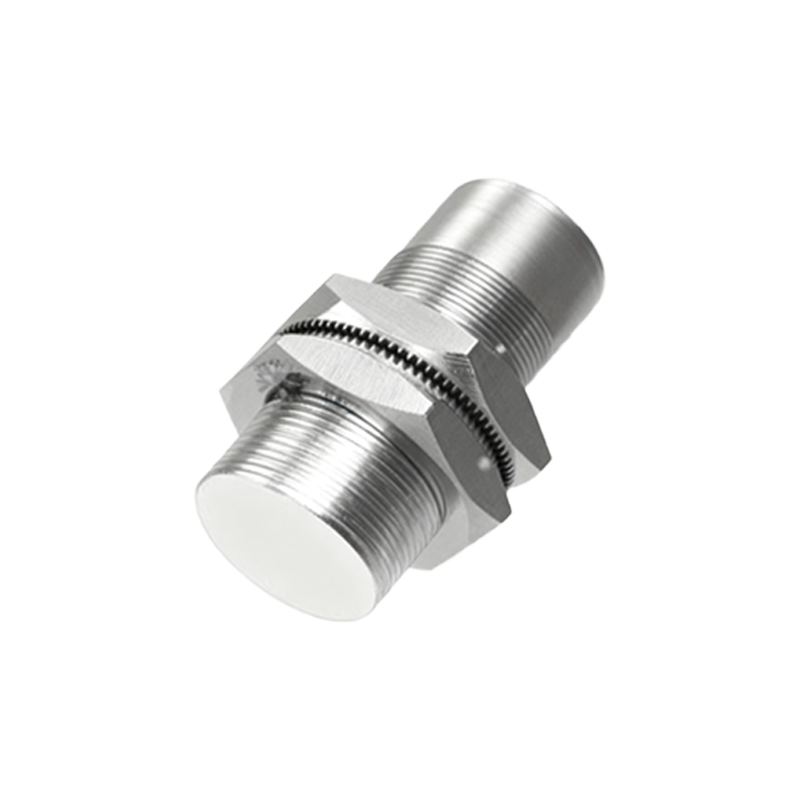
From an electrical and production standpoint, SMT proximity sensors contribute to better high-frequency performance. The shorter lead lengths minimize parasitic inductance and capacitance, which is vital for sensors operating at high speeds or in circuits sensitive to signal integrity. The production process itself is faster and more cost-effective at scale. PCBs can be populated on both sides, and the streamlined SMT line reduces labor costs and increases throughput. This efficiency makes advanced sensing technology accessible for high-volume products.
The applications for SMT proximity sensors are vast and continually expanding. In the automotive industry, they are embedded in systems for touchless trunk opening, seat occupancy detection, and gear position sensing. Within industrial automation, they are fundamental for precise object counting, machine guarding, robotic end-effector positioning, and conveyor belt control. Consumer electronics leverage these tiny sensors for features like smartphone screen blanking during a call, laptop lid closure detection, and water level sensing in appliances. The medical device field utilizes them in equipment for fluid presence detection, door interlock safety systems, and disposable component recognition.
When selecting an SMT proximity sensor for a project, engineers must consider several key parameters. The sensing range, or the maximum distance at which the sensor can reliably detect a standard target, is primary. The supply voltage and output type (e.g., digital NPN/PNP, analog voltage) must be compatible with the host system. Environmental robustness is also critical; many sensors are built to withstand challenges like dust, moisture, vibration, and temperature extremes, often conforming to Ingress Protection (IP) ratings. Finally, the packaging—the size and shape of the SMT component—must fit the PCB layout constraints.
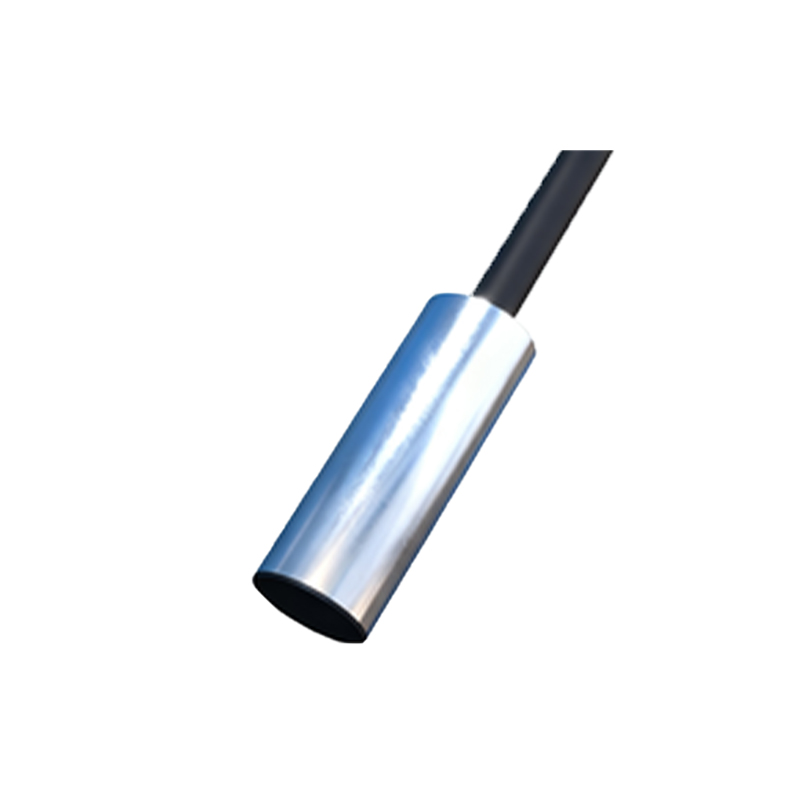
Looking ahead, the evolution of SMT proximity sensors is aligned with broader trends in electronics: increased intelligence, connectivity, and miniaturization. Future sensors may incorporate more onboard signal processing, digital communication interfaces like I2C or IO-Link, and even lower power consumption for battery-operated Internet of Things (IoT) devices. As SMT assembly techniques advance, allowing for even smaller components, these sensors will become virtually invisible yet omnipresent, forming the essential sensory layer of an increasingly automated and interactive world. Their role in enabling smarter factories, safer vehicles, and more intuitive consumer products underscores their importance as a foundational technology in the electronic component landscape.