Independent proximity sensors, often referred to as self-contained or standalone proximity sensors, represent a critical advancement in industrial automation and electrical control systems. Unlike traditional sensors that rely heavily on external amplifiers or complex wiring configurations, these devices integrate sensing, signal processing, and output switching into a single compact unit. This integration significantly simplifies installation, reduces maintenance overhead, and enhances system reliability.
The core principle behind independent proximity sensors involves detecting the presence or absence of a target object without physical contact. They typically operate using electromagnetic fields, capacitive effects, or ultrasonic waves. Inductive proximity sensors, for instance, generate an oscillating electromagnetic field. When a metallic object enters this field, it induces eddy currents that dampen the oscillation, triggering a change in the sensor's output state. Capacitive variants detect changes in capacitance caused by the proximity of both conductive and non-conductive materials, making them versatile for liquid level sensing or plastic object detection. Ultrasonic sensors measure the time-of-flight of sound waves, suitable for distance measurement and presence detection in challenging environments.
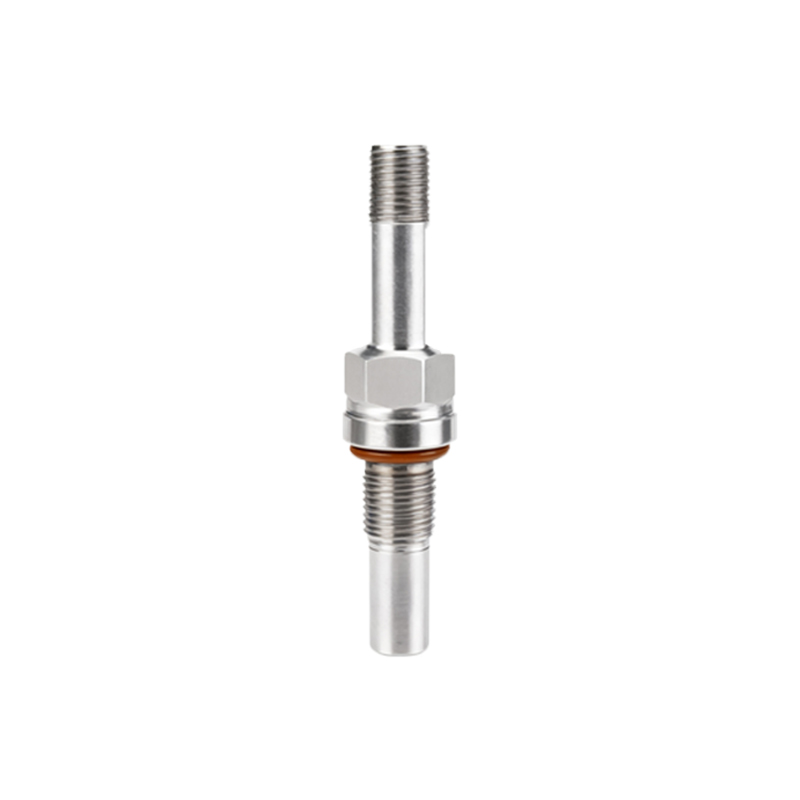
One of the standout features of independent proximity sensors is their built-in intelligence. Modern units incorporate microprocessors that handle tasks such as temperature compensation, hysteresis adjustment, and short-circuit protection. This self-sufficiency allows them to operate reliably across a wide temperature range, typically from -25°C to 70°C, and in conditions with significant electrical noise or vibration. The output stage usually includes solid-state switches (like NPN or PNP transistors) or relay contacts, capable of directly interfacing with programmable logic controllers (PLCs), motor starters, or indicator lights.
Installation benefits are substantial. Since these sensors combine sensing and output functions, they require only a power supply connection (commonly 10-30V DC or 90-250V AC) and load wiring. This reduces cabinet space, minimizes wiring errors, and cuts commissioning time. Many models feature LED indicators for power and output status, aiding in quick diagnostics. Enclosures are often rated IP67 or higher, ensuring resistance to dust, moisture, and mechanical impact in harsh industrial settings like manufacturing lines, packaging machinery, or automotive assembly plants.
Applications span numerous sectors. In material handling, independent proximity sensors monitor conveyor belt jams or count products. In robotics, they provide precise positioning feedback for arm movements. Safety systems use them to detect door closures or guard positions, initiating emergency stops if needed. Their non-contact nature eliminates wear and tear, granting them a long operational life—often exceeding millions of cycles—which reduces downtime and total cost of ownership.
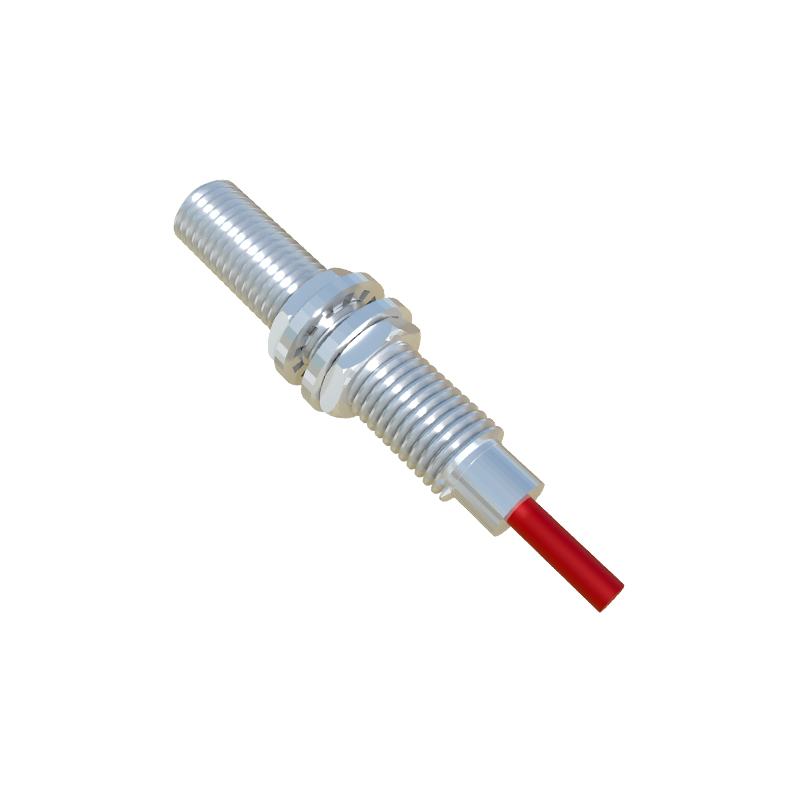
When selecting an independent proximity sensor, engineers must consider factors like sensing distance, target material, output type, and environmental conditions. For example, inductive sensors have a shorter range (typically 1-20 mm) and work only with metals, while capacitive sensors can detect non-metals but may be influenced by humidity. Ultrasonic sensors offer longer ranges (up to several meters) but require careful mounting to avoid acoustic interference.
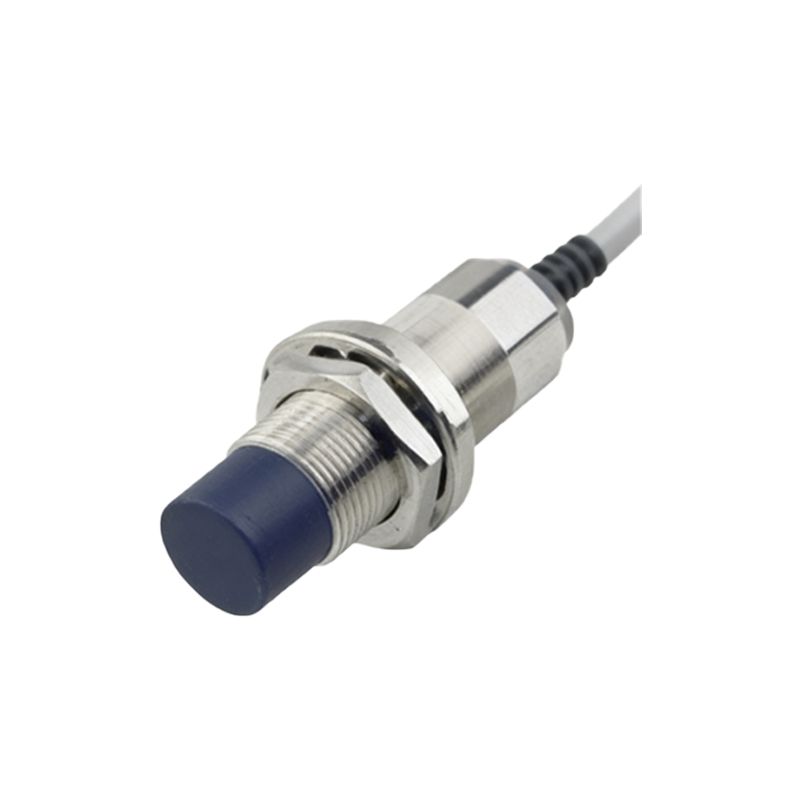
Future trends point toward increased connectivity and smart features. Some newer models integrate IO-Link communication, enabling parameter configuration, real-time diagnostics, and data exchange with higher-level control systems. This aligns with Industry 4.0 initiatives, where sensors contribute to predictive maintenance and operational analytics. Energy-efficient designs are also emerging, consuming minimal power while maintaining high switching speeds.
In summary, independent proximity sensors are indispensable components in modern electrical engineering. Their self-contained design, robustness, and adaptability make them ideal for enhancing automation efficiency. By understanding their operating principles and application nuances, engineers can leverage these sensors to build more resilient, cost-effective, and intelligent industrial systems.