LTF laser sensors have become indispensable components in modern industrial automation, offering unparalleled precision in distance measurement, object detection, and positioning tasks. As a senior electrical engineer with extensive field experience, I will outline a rigorous testing protocol to ensure these sensors meet the demanding requirements of industrial environments. The validation process is critical, as sensor performance directly impacts system reliability, safety, and efficiency.
The initial phase of testing involves basic functional verification. Power up the LTF sensor according to the manufacturer's specifications, typically within a 10-30V DC range. Connect the output—commonly a digital (PNP/NPN) or analog (4-20mA, 0-10V) signal—to a programmable logic controller (PLC) or data acquisition system. Use a calibrated target at a known distance to verify the sensor's response. The key parameters to check here are the response time, which should be in the microsecond to millisecond range, and the stability of the output signal without any target movement. Any jitter or drift at this stage indicates a potential hardware fault.
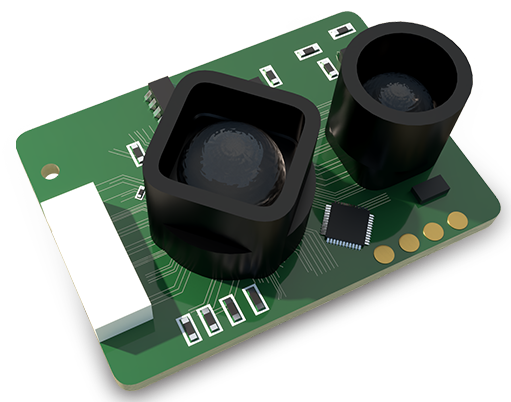
Environmental robustness testing is paramount. Industrial settings expose sensors to extreme conditions. Begin with temperature cycling. Place the LTF sensor in an environmental chamber and subject it to temperature variations from -25°C to 70°C, following the IEC 60068-2-1 and IEC 60068-2-2 standards. Monitor its measurement accuracy at set intervals. A high-quality LTF sensor should maintain its stated precision, often within ±0.1% of the measuring range, across this spectrum. Next, assess ingress protection. Most industrial LTF sensors are rated IP67 or higher. Conduct tests by exposing the sensor to dust in a controlled chamber and submerging it in water at a depth of 1 meter for 30 minutes, per IEC 60529. Post-test, re-evaluate its functional performance; any failure signifies compromised sealing.
Optical performance validation forms the core of the test. Laser sensors are susceptible to interference from ambient light and surface properties of the target. To test ambient light immunity, operate the sensor under intense direct sunlight (up to 100,000 lux) and in complete darkness. The output should remain consistent for a static target. For surface dependency, use a test kit comprising materials with varying colors (white, black), reflectivity (matte, glossy), and materials (metal, plastic, cardboard). Measure the same distance. A superior LTF sensor with advanced background suppression technology will show minimal deviation across different surfaces. Additionally, test the minimum detectable object size and the sensor's ability to ignore background objects beyond its set range.
Long-term reliability and electrical compatibility are final, crucial steps. Perform a continuous operational test for a minimum of 1000 hours under typical load conditions. Log data to identify any gradual degradation in performance. For electrical compatibility, test the sensor's resilience to voltage spikes, short-circuit conditions, and electromagnetic interference (EMI) as per IEC 61000-4 series standards. Use an EMI simulator to expose the sensor to various interference levels and observe signal integrity.
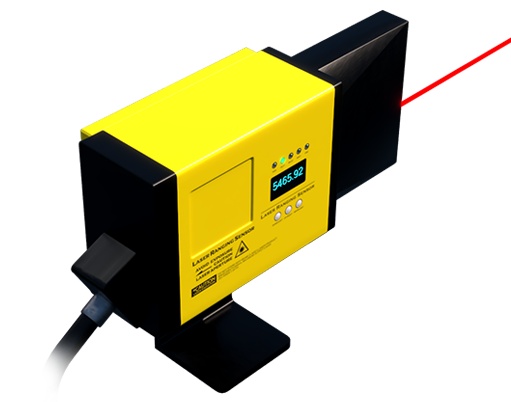
Documentation is as vital as the testing itself. Maintain a detailed test report including environmental conditions, all measured data, deviations from expected values, and pass/fail criteria. This report is essential for quality assurance, troubleshooting, and compliance with industry standards like ISO 13849 for safety-related systems.
In conclusion, a systematic, multi-faceted testing regimen—encompassing functional, environmental, optical, and endurance checks—is non-negotiable for deploying LTF laser sensors in critical industrial applications. This proactive approach mitigates field failures, ensures operational continuity, and upholds the highest standards of automation system integrity.