In the modern automotive landscape, particularly within the Ford Motor Company's vehicle lineup, proximity sensors are integral components of advanced driver-assistance systems (ADAS) and convenience features. These sensors, often a type of short-range radar or ultrasonic sensor, are strategically placed around the vehicle's exterior to detect nearby objects without physical contact. Their primary function is to provide auditory and visual warnings to the driver, thereby preventing collisions during low-speed maneuvers such as parking, and enhancing overall situational awareness.
The most common locations for Ford proximity sensors, typically referred to as Park Aid or Active Park Assist sensors, are embedded within the vehicle's bumpers. Both the front and rear bumpers house these sensors. On most Ford models, you will find small, circular disc-like elements flush-mounted into the bumper fascia. The number can vary, but a typical configuration includes four sensors in the rear bumper and four in the front bumper, sometimes with additional corner sensors for more comprehensive coverage. These ultrasonic sensors emit high-frequency sound waves that bounce off obstacles. The control module then calculates the distance to the object based on the time it takes for the echo to return.
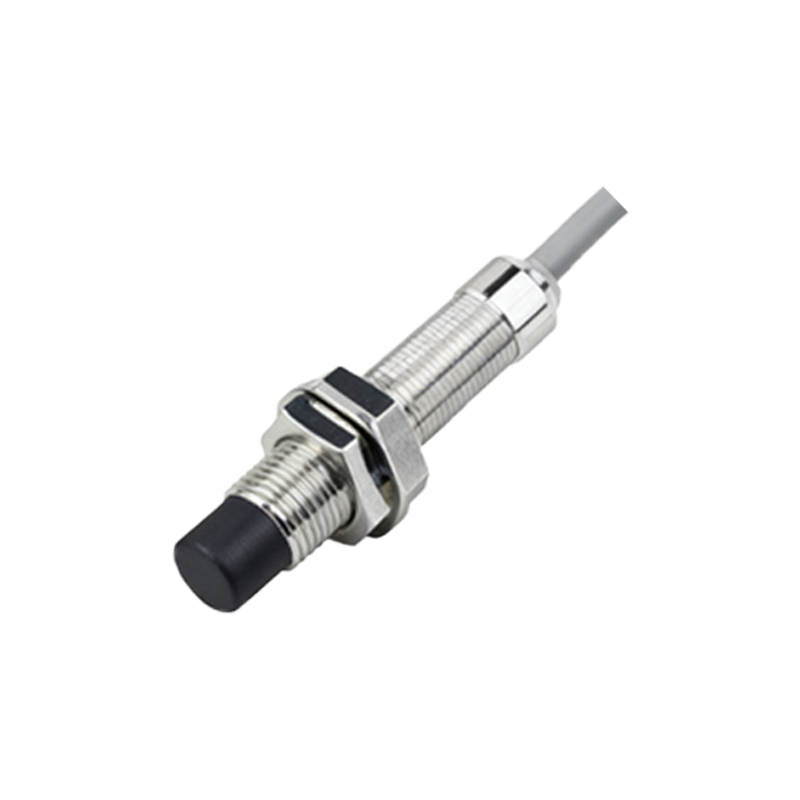
Beyond the bumpers, some Ford vehicles equipped with 360-degree camera systems or enhanced ADAS like BlueCruise may integrate more advanced proximity sensing technology. This can include radar sensors located in the front grille area or behind the Ford emblem for adaptive cruise control and pre-collision assist functions. These are typically longer-range sensors but serve a similar proximity-monitoring purpose at higher speeds. Additionally, blind-spot information systems (BLIS) use radar sensors usually mounted inside the rear quarter panels, behind the bumper covers, near the wheel wells, to monitor adjacent lanes.
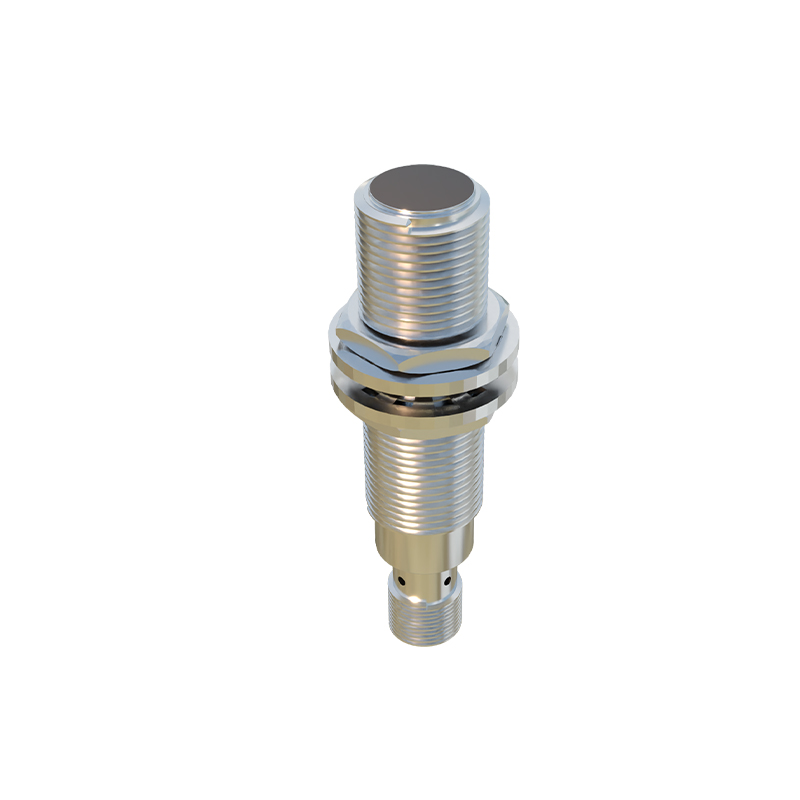
The operation of these sensors is managed by a dedicated module, often the Park Aid Module or a more integrated Body Control Module/Telematics Control Unit. When the vehicle is shifted into Reverse, the rear sensors are automatically activated. The front sensors usually become active at low speeds (typically below 6 mph/10 kph). A series of audible beeps, which become faster and more frequent as the obstacle gets closer, is the primary driver alert. This is often supplemented by a visual display on the infotainment screen (SYNC system) that graphically shows the vehicle's proximity to detected objects.
For technicians and engineers, understanding the location is crucial for diagnostics, repair, and vehicle customization. Common issues include sensor damage from minor impacts, corrosion on the electrical connectors, or obstruction from dirt, ice, or aftermarket bumper covers. Diagnostic trouble codes (DTCs) related to the park aid system can be read using Ford's proprietary diagnostic software (FDRS or IDS). Testing involves checking for power, ground, and communication network (typically LIN or HS-CAN) integrity at the sensor connector. Physical inspection for cracks or misalignment is also essential, as even a slight paint over-spray on the sensor surface can impair its function.
When replacing a Ford proximity sensor, it is vital to use the correct part number for the specific model year and trim, as calibration frequencies and communication protocols may differ. Post-replacement, a calibration or module reset procedure might be required using a scan tool to ensure accurate detection. For vehicle owners, keeping the sensor surfaces clean and being aware of their locations can prevent false alerts and maintain system reliability. In summary, Ford proximity sensors are predominantly located in the front and rear bumpers, with additional radar units in the grille and rear quarters for higher-level functions, forming a critical, invisible shield that aids in safe vehicle operation.