In the realm of industrial automation and precision measurement, laser electric eddy current sensors have emerged as a pivotal technology, offering unparalleled accuracy and reliability. These sensors combine the principles of eddy current sensing with laser-based positioning to deliver high-resolution, non-contact measurements essential for modern manufacturing, aerospace, and energy sectors. This article delves into the operational mechanics, key advantages, and diverse applications of these advanced sensors, providing insights for engineers and industry professionals seeking to optimize their measurement systems.
Eddy current sensors operate based on electromagnetic induction. When an alternating current passes through a coil within the sensor, it generates a magnetic field. As this field interacts with a conductive target material, it induces circular currents known as eddy currents. These currents create their own magnetic field, which opposes the original field, altering the coil's impedance. By analyzing these impedance changes, the sensor can precisely determine the distance to the target, its thickness, or detect surface defects. The integration of laser technology enhances this process by providing a stable reference point or by measuring displacement with micron-level precision, ensuring minimal interference from environmental factors like dust or oil.

The fusion of eddy current and laser technologies yields several critical benefits. First, it enables non-contact measurement, eliminating mechanical wear and allowing for high-speed inspections without damaging sensitive surfaces. This is particularly valuable in industries such as semiconductor manufacturing, where even minor contact can compromise product integrity. Second, these sensors exhibit high sensitivity and resolution, capable of detecting sub-micron displacements and nanometer-scale variations in material properties. Third, they are robust against harsh conditions, including extreme temperatures, vibrations, and electromagnetic interference, making them suitable for use in demanding environments like turbine monitoring or automotive assembly lines. Additionally, their fast response time supports real-time monitoring and control, crucial for dynamic processes in robotics and aerospace engineering.

Applications of laser electric eddy current sensors span a wide array of industries. In aerospace, they are employed for blade tip clearance measurement in jet engines, ensuring optimal performance and safety by monitoring gaps between rotating and stationary parts. In the energy sector, these sensors facilitate the inspection of pipelines and storage tanks for corrosion or cracks, enhancing structural integrity and preventing leaks. Manufacturing lines utilize them for quality control, such as measuring the thickness of coatings on electronic components or verifying the alignment of precision machinery. Furthermore, in research and development, they aid in material characterization, studying properties like conductivity and permeability without invasive techniques.
Despite their advantages, implementing laser electric eddy current sensors requires careful consideration. Factors such as target material conductivity, surface roughness, and environmental interferences can affect accuracy. Engineers must select appropriate sensor models based on specific application needs, calibrating them regularly to maintain performance. Advances in digital signal processing and IoT integration are paving the way for smarter sensors with self-diagnostic capabilities, enabling predictive maintenance and reducing downtime. As industries continue to demand higher precision and efficiency, the evolution of these sensors is expected to drive innovation in automation and measurement technologies.
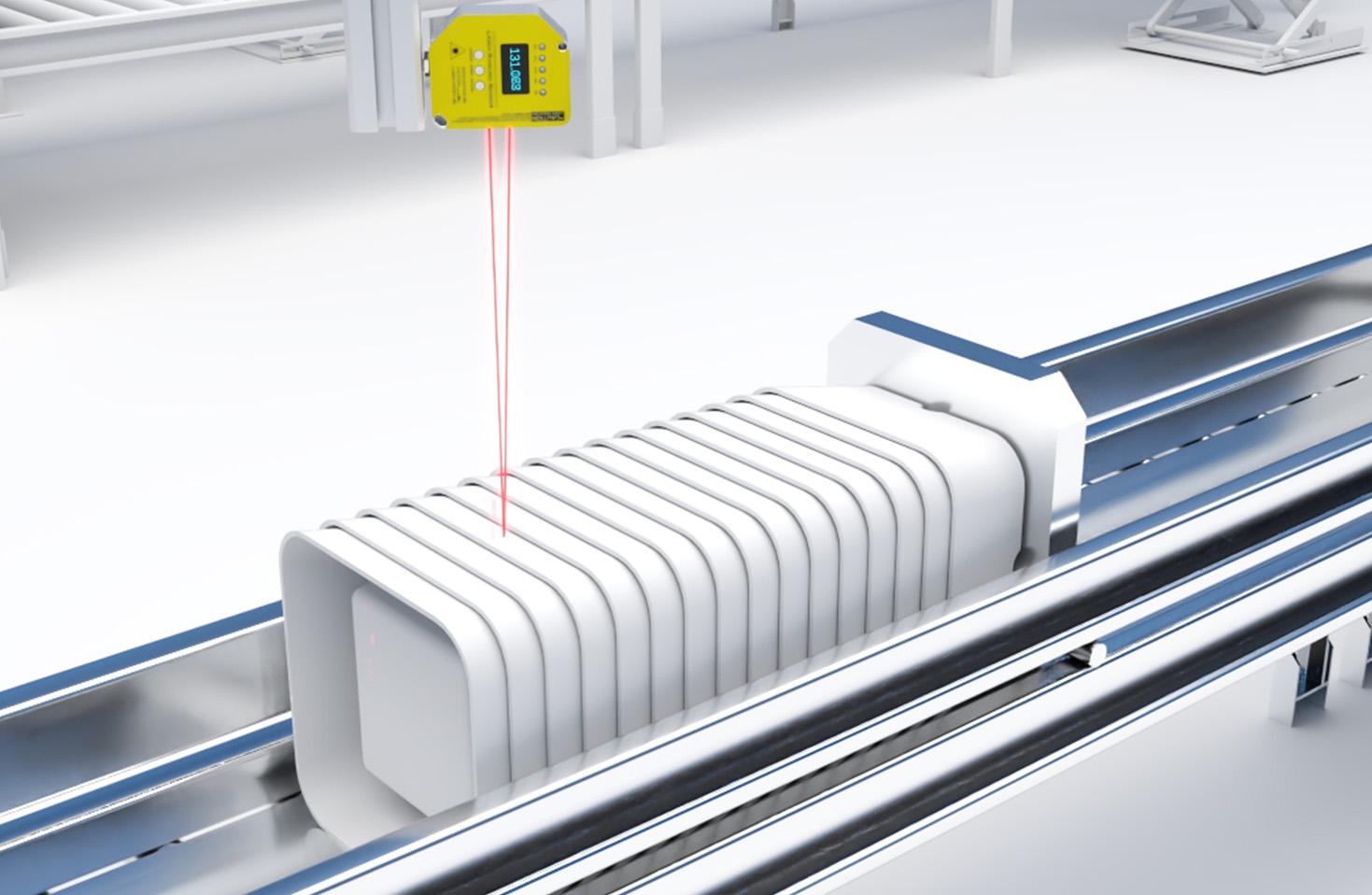
In summary, laser electric eddy current sensors represent a sophisticated solution for precision measurement challenges across various sectors. By leveraging electromagnetic and optical principles, they offer non-contact, high-accuracy monitoring that enhances productivity and safety. For professionals in electrical engineering and industrial automation, understanding these sensors' capabilities and applications is key to harnessing their full potential in an increasingly automated world.