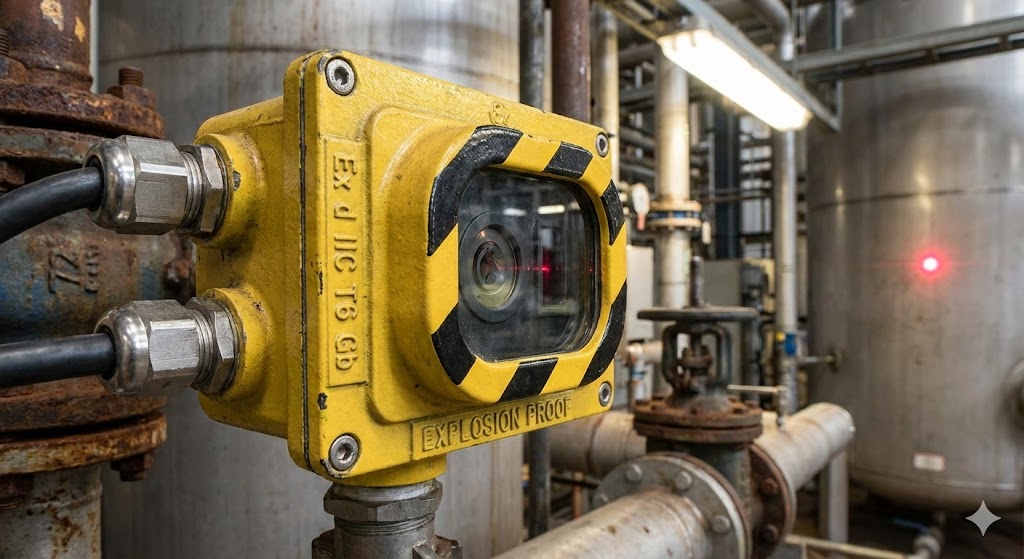
In the realm of industrial automation and environmental monitoring, the accurate detection and measurement of particulate matter are critical for process control, equipment protection, and occupational safety. Among the various technologies available, laser-based dust sensors have emerged as a superior solution, offering high precision, reliability, and real-time capabilities. This article delves into the operational principles, key applications, and essential factors for selecting the right laser dust sensor for demanding industrial settings.
At its core, a laser dust sensor operates on the principle of light scattering, specifically Mie scattering theory. A controlled laser diode emits a focused beam of light into a detection chamber through which the sample air is drawn. When airborne particles pass through this laser beam, they scatter the light in all directions. A strategically positioned photodetector, typically placed at a specific angle (like 90 degrees), captures this scattered light. The intensity of the scattered light is directly proportional to the concentration and size of the particles. Sophisticated onboard algorithms then process this photodetector signal, converting it into a digital output representing mass concentration (e.g., µg/m³) for specific particle size ranges, most commonly PM2.5 and PM10. This method provides a significant advantage over traditional methods like gravimetric analysis, as it enables continuous, real-time monitoring without time-consuming laboratory procedures.
The architecture of a modern industrial laser dust sensor is designed for robustness. Key components include the laser emitter, a precision optical system (lenses and mirrors to shape and direct the beam), the detection chamber, the photodetector, a fan or pump for air sampling, and a microprocessor. Advanced models incorporate features like automatic baseline calibration, temperature and humidity compensation, and self-diagnostic functions to maintain long-term accuracy and stability, even in harsh environments with fluctuating conditions.
The applications for laser dust sensors in industry are vast and varied. In manufacturing, they are indispensable for monitoring air quality in cleanrooms for semiconductor fabrication, pharmaceutical production, and precision assembly lines, ensuring particulate levels remain within strict Class limits. Within the HVAC (Heating, Ventilation, and Air Conditioning) sector, these sensors are integrated into building management systems to optimize air filtration, improve indoor air quality (IAQ), and enhance energy efficiency. In process industries such as cement production, woodworking, mining, and metalworking, laser dust sensors are deployed to monitor workplace exposure to respirable dust, ensuring compliance with OSHA, HSE, or other regional health and safety regulations. They also play a crucial role in protecting sensitive machinery from abrasive or conductive dust ingress, enabling predictive maintenance. Furthermore, they are used in environmental monitoring stations to track ambient air pollution and in emission control systems.
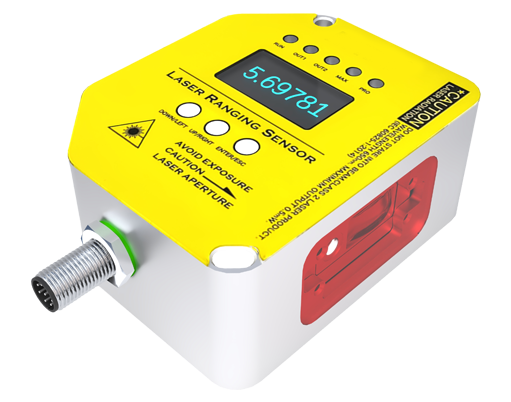
Selecting the appropriate laser dust sensor requires careful consideration of several technical parameters. First, the measurement range and resolution must match the expected dust concentrations, from very low levels in cleanrooms to high concentrations in industrial processes. Particle size detection capability is another critical factor; ensure the sensor reports the relevant PM sizes (PM1, PM2.5, PM10, TSP). Accuracy and repeatability specifications, often given as a percentage of reading or a fixed value, determine the sensor's reliability for compliance monitoring. The response time (T90) indicates how quickly the sensor reflects changes in concentration, which is vital for real-time control loops.
Environmental durability is paramount. The sensor's housing should have a suitable Ingress Protection (IP) rating (e.g., IP65) for the installation environment, protecting against dust and water. Operating temperature and humidity ranges must be compatible with the application site. Output interfaces are also key; common options include analog (0-5V, 4-20mA), digital UART, I2C, or Modbus, allowing for seamless integration into PLCs, SCADA systems, or data loggers. Finally, consider maintenance requirements, such as the recommended calibration interval and the ease of cleaning the optical chamber to prevent contamination and drift.
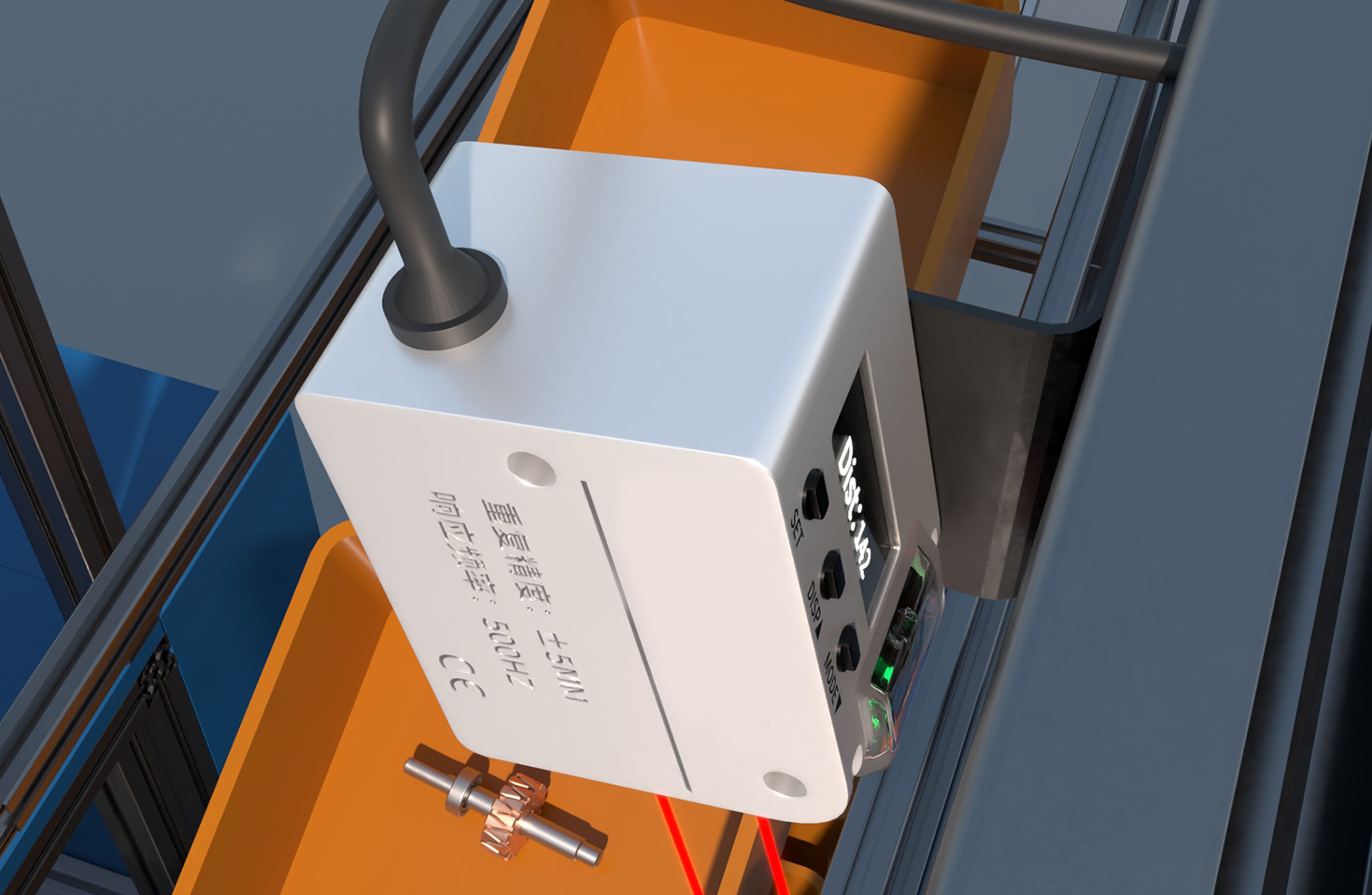
In conclusion, laser dust sensors represent a sophisticated and essential technology for modern industrial operations. Their ability to provide accurate, real-time particulate data empowers engineers and facility managers to ensure regulatory compliance, protect human health, safeguard valuable equipment, and optimize industrial processes. By thoroughly understanding the technology's principles and meticulously evaluating selection criteria based on the specific application, professionals can implement a monitoring solution that delivers long-term performance, safety, and operational intelligence.