Infrared proximity sensors are widely used in various electronic devices for non-contact detection of objects. These sensors operate based on the principle of infrared light reflection and reception. An infrared proximity sensor typically consists of an infrared emitter, usually an infrared LED, and an infrared receiver, such as a photodiode or phototransistor. The emitter continuously emits infrared light, which is invisible to the human eye. When an object enters the sensor's detection range, the infrared light reflects off the object's surface and returns to the receiver.
The receiver converts the reflected infrared light into an electrical signal. The strength of this signal depends on several factors, including the distance to the object, the object's reflectivity, and the angle of incidence. Darker objects absorb more infrared light and reflect less, while lighter or reflective surfaces return stronger signals. The sensor's circuitry processes this electrical signal to determine the presence or absence of an object within a specific range.
Most infrared proximity sensors use modulated infrared signals to improve reliability and reduce interference from ambient light sources. The emitter sends pulsed infrared light at a specific frequency, and the receiver is tuned to detect only signals at that frequency. This modulation technique helps distinguish the sensor's own signal from other infrared sources in the environment, such as sunlight or artificial lighting.
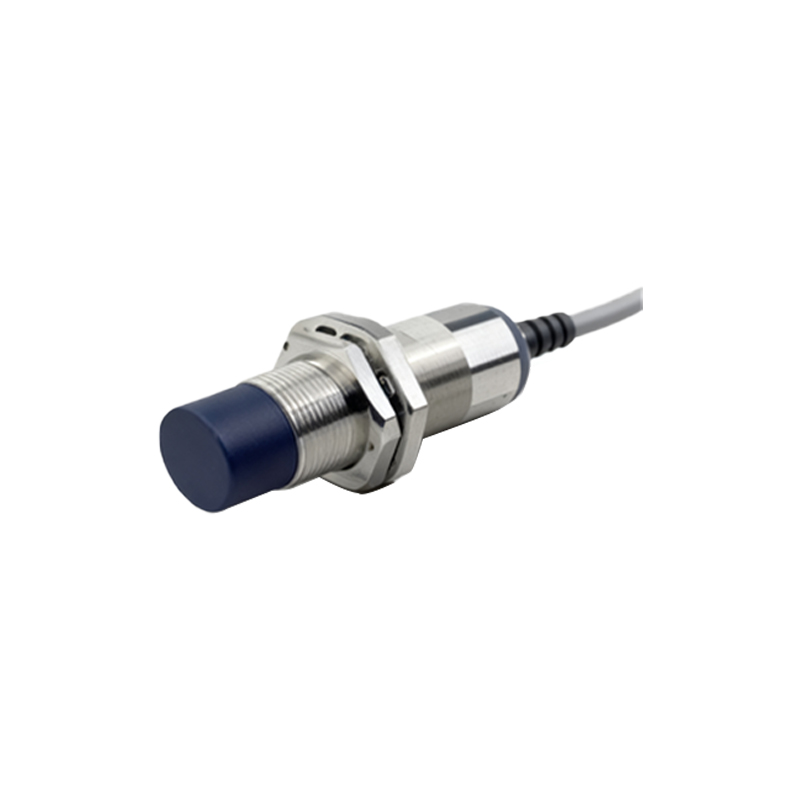
There are two main types of infrared proximity sensors: diffuse reflective sensors and retro-reflective sensors. Diffuse sensors have both emitter and receiver positioned side by side, facing the same direction. They detect objects when the reflected light returns to the receiver. Retro-reflective sensors have the emitter and receiver mounted together but use a separate reflector. The infrared beam travels to the reflector and back to the receiver. An object interrupting this beam triggers detection.
The detection range of infrared proximity sensors varies depending on their design and application. Typical ranges extend from a few millimeters to several meters. Factors affecting range include the power of the infrared emitter, the sensitivity of the receiver, and the reflectivity of target objects. Many modern sensors incorporate compensation algorithms to account for different surface properties and environmental conditions.
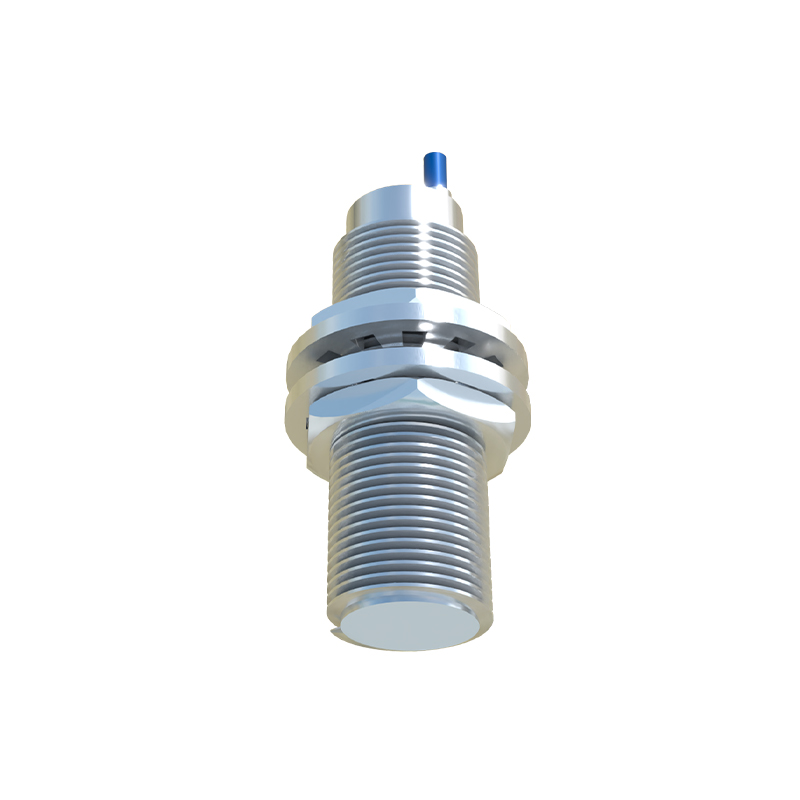
Infrared proximity sensors find applications across numerous industries. In consumer electronics, they enable features like automatic screen dimming in smartphones when held to the ear during calls. In industrial automation, these sensors detect object presence on conveyor belts or monitor material levels. Automotive systems use them for parking assistance and obstacle detection. Home appliances incorporate them for touchless operation of faucets, soap dispensers, and paper towel machines.
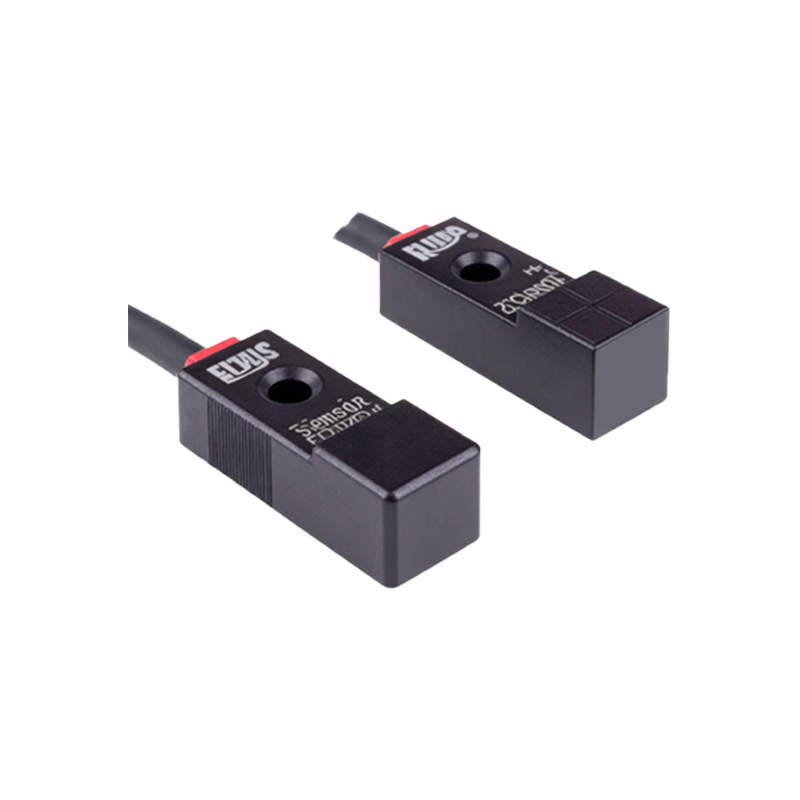
These sensors offer several advantages over other proximity detection methods. They provide non-contact operation, eliminating mechanical wear. Their response time is typically fast, allowing for real-time detection. Infrared sensors work effectively in various lighting conditions when properly designed with modulation techniques. They're generally cost-effective and can be miniaturized for compact device integration.
However, infrared proximity sensors have limitations. Their performance can be affected by environmental factors like dust, fog, or rain that scatter infrared light. Highly reflective or transparent objects may not be detected reliably. The sensors require periodic cleaning in dirty environments as accumulated debris can block infrared transmission. Temperature variations can also affect performance, though many sensors include temperature compensation.
Modern advancements in infrared proximity sensor technology include integrated digital output, adjustable sensitivity, and multi-channel detection. Some sensors incorporate ambient light sensors to distinguish between proximity detection and ambient light changes. Others feature I2C or SPI digital interfaces for easy integration with microcontrollers and processors.
When implementing infrared proximity sensors, proper calibration is essential for optimal performance. Calibration involves setting appropriate thresholds for object detection based on the specific application requirements and expected environmental conditions. Many sensors include built-in calibration routines or provide registers for threshold adjustment.
Infrared proximity sensors continue to evolve with improvements in power efficiency, detection accuracy, and integration capabilities. Their combination of reliability, cost-effectiveness, and versatility ensures they remain a fundamental component in object detection systems across countless applications in our increasingly automated world.