In the rapidly evolving landscape of industrial automation and smart devices, sensors play a pivotal role in enabling machines to interact with their environment. Among the diverse array of sensing technologies, proximity sensors and magnetic sensors stand out as fundamental components, each serving distinct yet sometimes overlapping functions. Understanding their principles, applications, and differences is essential for engineers, designers, and technology enthusiasts aiming to implement efficient and reliable systems.
Proximity sensors are devices designed to detect the presence or absence of an object within a specific range without any physical contact. They operate based on various physical principles, with the most common types being inductive, capacitive, and photoelectric. Inductive proximity sensors are widely used in industrial settings to detect metallic objects. They generate an electromagnetic field and sense changes caused by metallic targets, making them ideal for harsh environments where dust, oil, or moisture is present. These sensors are robust, offer high switching frequencies, and are commonly employed in manufacturing lines for position detection, counting, and safety applications.
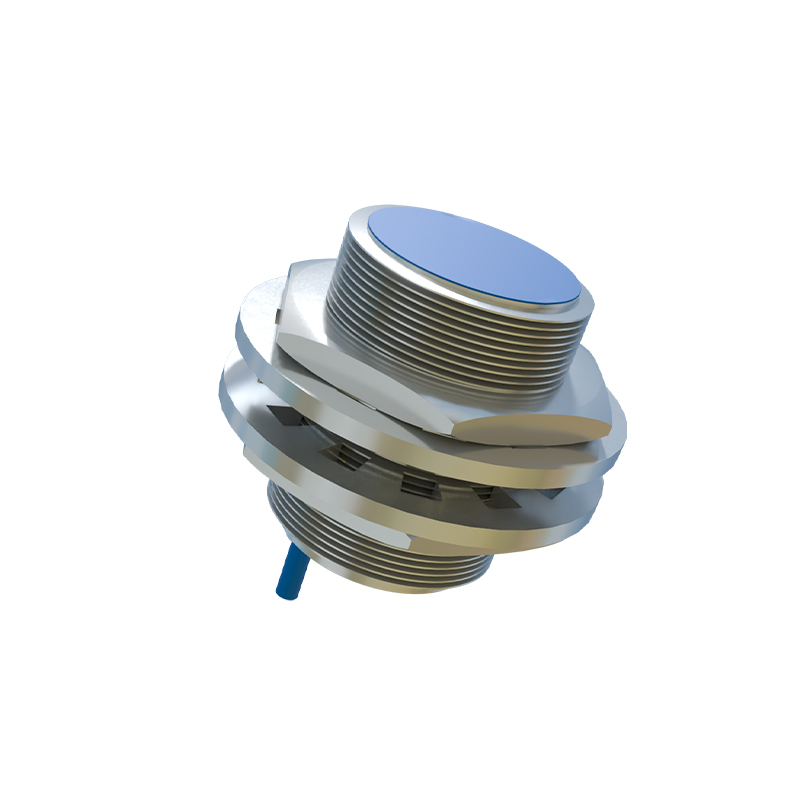
Capacitive proximity sensors, on the other hand, can detect both metallic and non-metallic materials, including liquids, plastics, and wood. They work by measuring changes in capacitance when an object enters their electrostatic field. This versatility makes them suitable for level detection in tanks, material handling, and packaging industries. Photoelectric proximity sensors utilize light beams, typically infrared, to sense objects. They excel in long-range detection and can identify a wide variety of materials, but their performance may be affected by environmental factors like ambient light or transparent surfaces.
Magnetic sensors, in contrast, specifically detect magnetic fields or the presence of magnets. They are primarily based on technologies such as Hall effect, magnetoresistive, and reed switches. Hall effect sensors are among the most prevalent, generating a voltage proportional to the magnetic field strength when a current flows through a conductor in the presence of a magnetic field. These sensors are highly accurate, reliable, and capable of operating in extreme temperatures, making them indispensable in automotive systems for detecting wheel speed, crankshaft position, and gear shifts. They are also integral to consumer electronics, such as smartphones and laptops, for detecting flip covers or lid closures.
Magnetoresistive sensors change their electrical resistance in response to a magnetic field, offering high sensitivity and precision. They are often used in navigation systems, current sensing, and medical devices. Reed switches, consisting of two ferromagnetic reeds sealed in a glass tube, actuate when a magnetic field is applied, creating a simple and cost-effective solution for applications like security systems, door sensors, and relays.
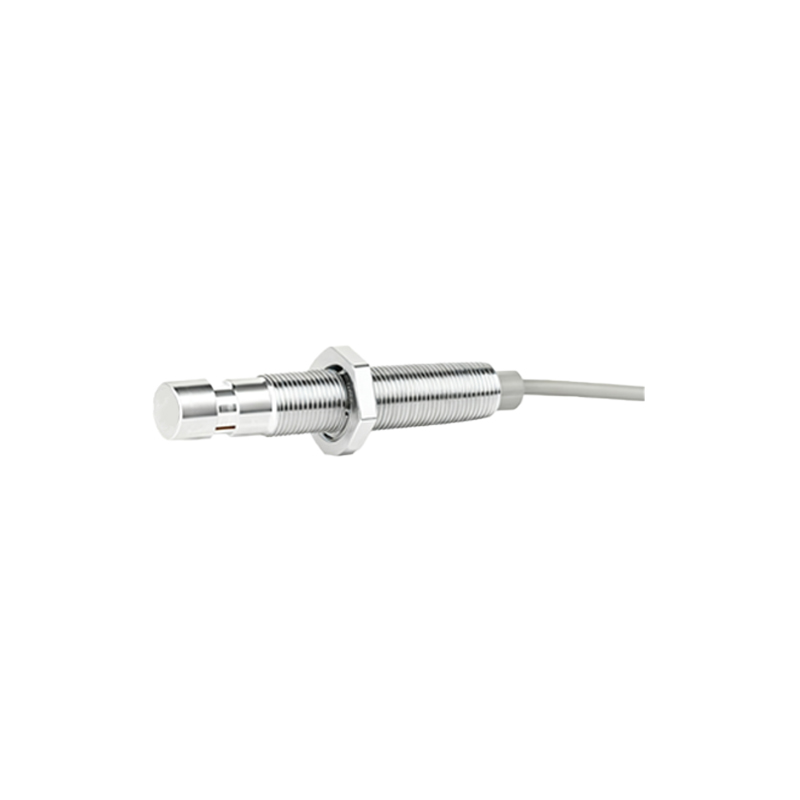
While both sensor types can detect objects, their core distinction lies in the detection method and target specificity. Proximity sensors generally respond to the physical presence or properties of an object, whereas magnetic sensors react specifically to magnetic fields. In some applications, they complement each other. For instance, in automated machinery, an inductive proximity sensor might detect a metal component's position, while a Hall effect sensor monitors the rotation of a magnet-equipped motor shaft, ensuring synchronized operation.
The selection between proximity and magnetic sensors depends on factors such as the target material, required sensing distance, environmental conditions, and cost constraints. In automotive manufacturing, inductive sensors might be used to verify the placement of engine parts, while magnetic sensors track the position of moving components like pedals or seats. In consumer electronics, capacitive proximity sensors enable touchless gestures on smartphones, and magnetic sensors facilitate auto-rotate screen functions.
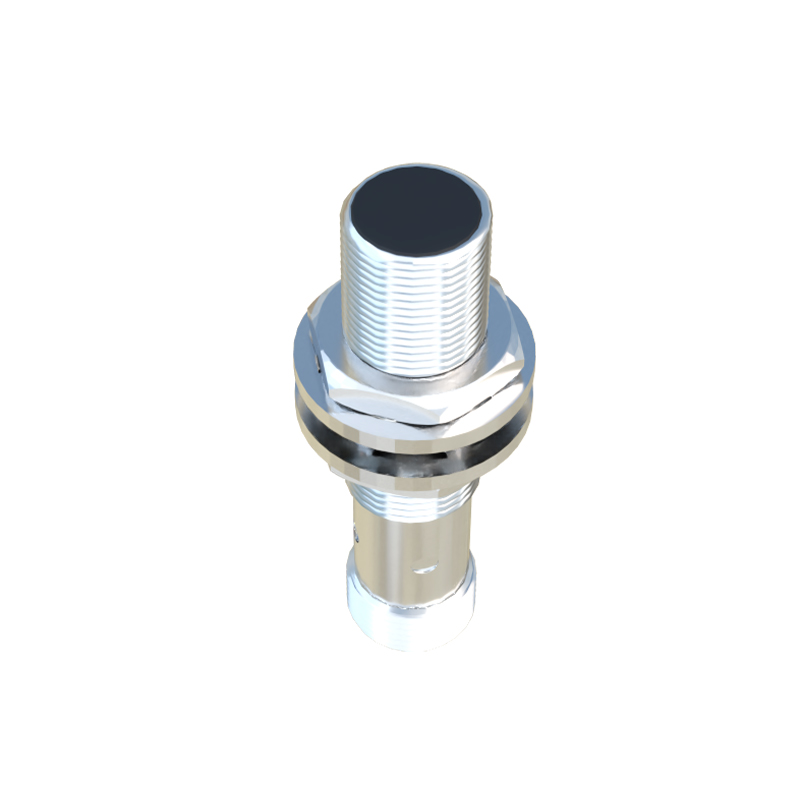
Advancements in miniaturization and integration are driving innovation in both fields. Modern proximity sensors are becoming more energy-efficient and capable of smarter output, with some incorporating IoT connectivity for predictive maintenance. Magnetic sensors are evolving with enhanced sensitivity and lower power consumption, supporting emerging trends in electric vehicles, robotics, and wearable technology. As industries embrace Industry 4.0 and smart automation, the synergy between these sensors will continue to grow, enabling more responsive and intelligent systems.
In summary, proximity sensors and magnetic sensors are cornerstone technologies that empower automation across diverse sectors. By leveraging their unique capabilities, developers can create solutions that enhance safety, efficiency, and user experience. Whether in a factory, vehicle, or handheld device, these sensors quietly perform critical tasks, bridging the gap between the physical and digital worlds.