Proximity sensors are fundamental components in modern automation, robotics, and countless electronic devices. This comprehensive teaching material aims to provide a clear, structured understanding of their principles, types, and real-world applications, serving as an essential resource for students, engineers, and hobbyists.
Understanding the Core Principle
At its heart, a proximity sensor is a device that detects the presence or absence of an object within a specified range without any physical contact. It achieves this by emitting an electromagnetic field, beam of radiation, or sound waves and then looking for changes in the field or return signal. The key advantage is non-contact detection, which eliminates mechanical wear and allows for high-speed operation and detection of fragile or sensitive objects.
Primary Types and Operating Technologies
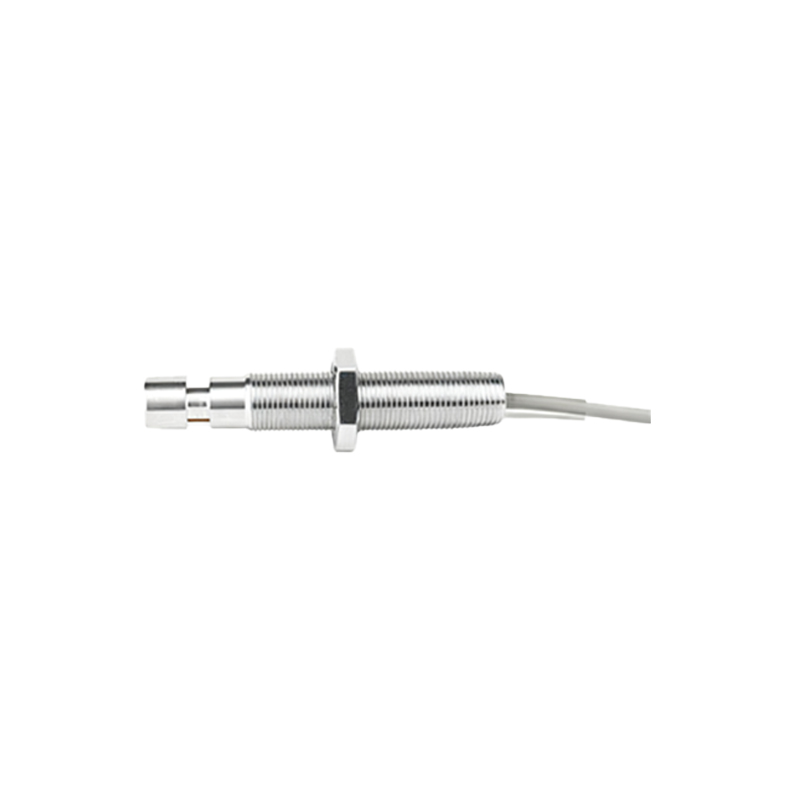
Several technologies underpin proximity sensors, each with distinct characteristics suitable for different environments and targets.
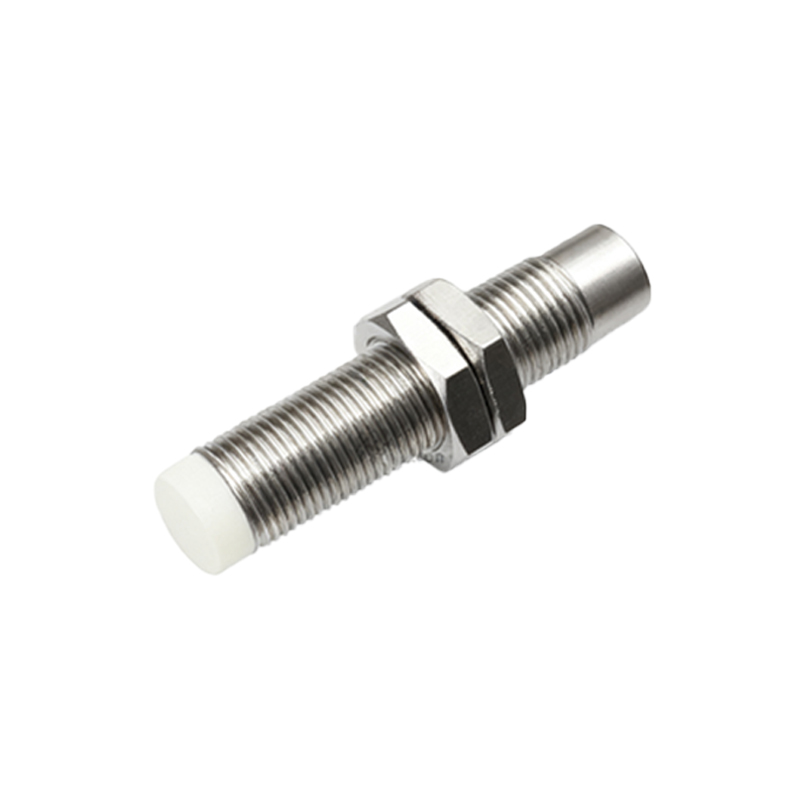
1. Inductive Proximity Sensors: These sensors detect metallic objects, primarily ferrous metals like iron and steel. They operate by generating an oscillating electromagnetic field. When a metal object enters this field, it induces eddy currents within the object, which dampens the sensor's own oscillation. This change is detected and triggers an output switch. They are robust, resistant to dirt and moisture, and ideal for industrial machine automation.
2. Capacitive Proximity Sensors: These can detect both metallic and non-metallic objects, including liquids, powders, plastics, and wood. They function by generating an electrostatic field. Any object that enters this field alters the sensor's capacitance, triggering detection. They are commonly used in level detection for tanks, material handling, and touch-sensitive interfaces.
3. Photoelectric Sensors: While often categorized separately, many function as proximity sensors. They use a light emitter (usually LED or laser) and a receiver. The presence of an object is detected by either the interruption of the light beam (through-beam), reflection from the object (retro-reflective), or reflection from the object itself (diffuse reflective). They offer long detection ranges and can sense a wide variety of materials.
4. Ultrasonic Sensors: These measure distance by emitting high-frequency sound waves and calculating the time for the echo to return. They are excellent for detecting objects of any material, shape, or color, and are unaffected by dust or smoke. Applications include parking assist systems, liquid level sensing, and collision avoidance in robotics.
5. Magnetic Proximity Sensors (Reed Switches): These simple sensors are activated by the presence of a permanent magnet. They are often used for door/window security sensors and position detection in low-speed applications.
Key Selection Parameters
Choosing the right sensor requires evaluating several parameters:
Sensing Range: The maximum distance at which the sensor can reliably detect a standard target.
Target Material: The composition of the object to be detected (metal, plastic, liquid).
Output Type: Digital (PNP/NPN transistor, NO/NC) or analog (4-20 mA, 0-10V) signals.
Environmental Factors: Resistance to temperature extremes, moisture, chemicals, and electrical noise.
Mounting and Size: Physical constraints of the installation space.
Practical Applications Across Industries
The versatility of proximity sensors fuels innovation across sectors:
Industrial Automation: On assembly lines for counting, positioning, jam detection, and end-of-travel limits on machinery.
Automotive: Anti-collision systems, parking sensors, ignition switch position detection, and gearbox position sensing.
Consumer Electronics: Smartphone screen turn-off during calls, laptop lid closure detection, and touchless faucets.
Aerospace and Robotics: Precise position feedback for actuators, landing gear status, and obstacle avoidance for mobile robots.
Building Automation: Automatic doors, occupancy sensing for lighting/HVAC control, and elevator floor leveling.
Hands-On Learning and Experimentation
Effective teaching materials should bridge theory and practice. A suggested lab module involves:
1. Setting up a simple circuit with an inductive sensor connected to a programmable logic controller (PLC) or microcontroller like an Arduino.
2. Programming the controller to count metallic objects passing on a conveyor belt simulation.
3. Experimenting with different sensor types (e.g., capacitive for a water level alarm) to compare responses.
4. Troubleshooting common issues like insufficient sensing range or electrical interference.
This foundational knowledge equips learners to specify, integrate, and troubleshoot proximity sensors effectively. As technology evolves, with trends toward miniaturization, IO-Link digital communication for smarter sensors, and enhanced robustness, the core principles outlined here remain the critical first step toward mastering this indispensable technology. Future advancements will continue to expand their capabilities in the Internet of Things (IoT) and Industry