In the realm of industrial automation and control systems, proximity sensors stand as fundamental components, enabling machines to "sense" the presence or absence of objects without physical contact. A proximity sensor is a non-contact electronic device designed to detect the presence of nearby objects and convert this detection into an electrical signal. This capability is crucial for a vast array of applications, from simple object counting on a conveyor belt to complex robotic positioning and safety interlocks on heavy machinery. The core principle involves generating an electromagnetic field or a beam of radiation and then monitoring for changes in the field or the return signal caused by a target object entering its sensing range.
The operation of a proximity sensor hinges on its specific technology. The most prevalent types include Inductive, Capacitive, Ultrasonic, and Photoelectric sensors. Inductive proximity sensors are the workhorses of metal detection. They generate an oscillating electromagnetic field from a coil. When a metallic object enters this field, it induces eddy currents on the metal's surface, which dampens the oscillation. The sensor's circuitry detects this damping and triggers a solid-state switch. These sensors are robust, reliable for metallic targets only, and ideal for harsh industrial environments with oil, dust, or coolant.
Capacitive proximity sensors, in contrast, can detect both metallic and non-metallic materials such as plastics, glass, wood, and liquids. They function by generating an electrostatic field. Any object with a dielectric constant different from air will alter the capacitance of the sensing circuit when it approaches. This change is detected and converted into an output signal. This makes them perfect for applications like level detection in tanks (liquid or granular materials), detecting filled bottles on a line, or sensing the presence of wood or plastic panels.
Photoelectric sensors operate on a different principle entirely, using a light source (usually LED) and a receiver. They detect objects by sensing changes in the received light intensity. There are three main configurations: through-beam (separate emitter and receiver), retro-reflective (emitter and receiver in one housing, using a reflector), and diffuse (emitter and receiver in one housing, detecting light reflected from the target itself). They offer long sensing ranges and can detect virtually any material, but their performance can be affected by environmental factors like dust, fog, or the color and reflectivity of the target.
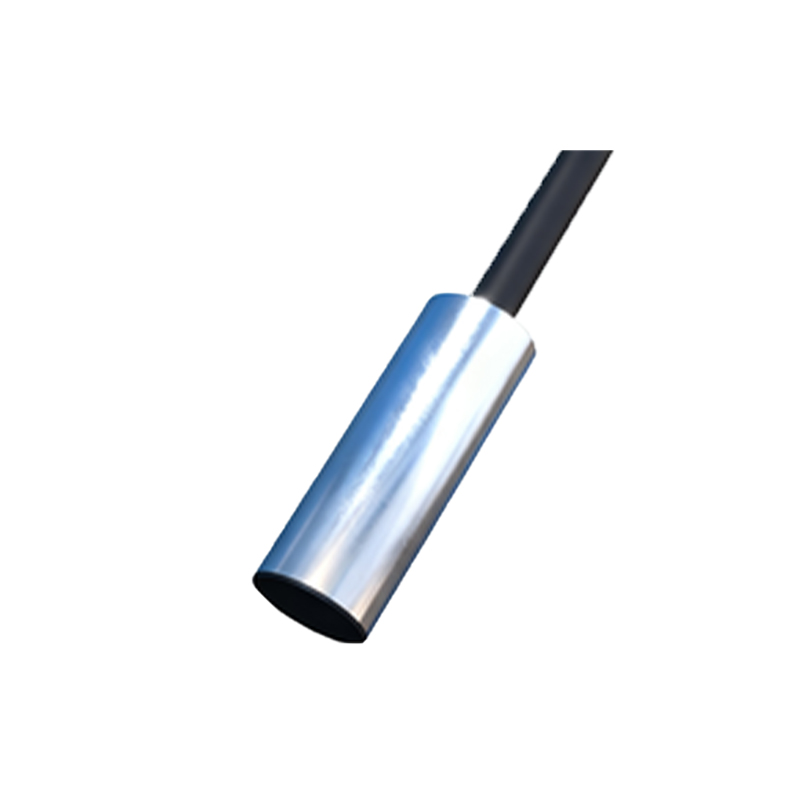
Ultrasonic proximity sensors emit high-frequency sound waves and evaluate the echo received back. By calculating the time interval between sending the signal and receiving the echo, the sensor can determine the distance to an object. They are excellent for distance measurement, level sensing of bulk materials, and detecting objects with complex surfaces or those that are transparent, where photoelectric sensors might struggle. However, they can be influenced by temperature variations and air turbulence.
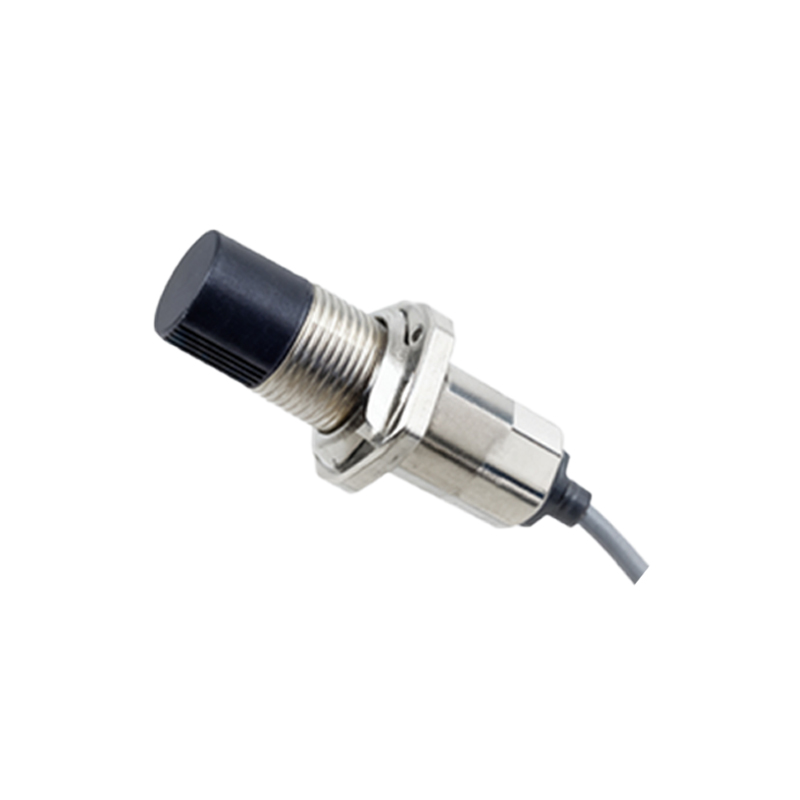
Selecting the appropriate proximity sensor requires careful consideration of several key parameters. The sensing range, or the maximum distance at which the sensor can reliably detect a standard target, is primary. The target material (metal, plastic, liquid) directly dictates the choice between inductive, capacitive, or other types. Environmental conditions are critical; sensors may need specific ingress protection (IP) ratings for dust and water resistance, and must withstand temperature extremes, vibration, and potential chemical exposure. The output type (e.g., NPN, PNP, analog, IO-Link) must be compatible with the controller (PLC). Finally, the physical form factor (barrel-style, rectangular, etc.) must suit the mounting constraints.
In application, these sensors are ubiquitous. On assembly lines, inductive sensors verify the presence of metal components. Capacitive sensors ensure a liquid reservoir does not run dry. Photoelectric sensors count packages, and ultrasonic sensors guide autonomous mobile robots (AMRs) by mapping distances. They form the essential sensory layer of modern manufacturing, providing the critical data points for process control, quality assurance, and operational safety. Their non-contact nature ensures minimal wear and tear, leading to high reliability and long service life, which is paramount for minimizing downtime in continuous production environments. Understanding their operating principles and selection criteria is therefore essential for any engineer designing, maintaining, or optimizing automated systems.