In the realm of precision measurement and condition monitoring, laser vibration sensors have emerged as a cornerstone technology. Unlike traditional contact-based sensors such as accelerometers, which require physical attachment to the target, laser vibration sensors operate on a non-contact principle. This fundamental distinction offers significant advantages in applications where the measurement surface is hot, fragile, rotating, or otherwise inaccessible. The core operation is based on laser Doppler vibrometry. A coherent laser beam is directed at the target surface. The vibration of this surface induces a Doppler shift in the frequency of the reflected light. This shift is directly proportional to the instantaneous velocity of the target's vibration. The sensor's interferometric system detects this minute frequency shift, processing it to provide highly accurate measurements of vibration velocity and displacement.
The applications for laser vibration sensors are vast and span numerous industries. In the automotive sector, they are indispensable for NVH (Noise, Vibration, and Harshness) testing, allowing engineers to map vibration patterns on engine blocks, gearboxes, and vehicle bodies without influencing the system's dynamics. Within aerospace, these sensors perform critical modal analysis on turbine blades and composite structures, identifying resonant frequencies that could lead to catastrophic failure. The electronics industry relies on them for characterizing micro-electromechanical systems (MEMS) and assessing the integrity of miniature components. Furthermore, in energy infrastructure, they monitor the health of power generation equipment like wind turbine blades and gas turbine rotors, enabling predictive maintenance strategies that prevent unplanned downtime.
When selecting a laser vibration sensor for a specific task, several key parameters must be carefully evaluated. The first is measurement range, encompassing both displacement (typically from picometers to meters) and velocity. A sensor chosen for sub-nanometer MEMS analysis will differ vastly from one monitoring large structural deflections. Frequency response is equally critical; it defines the bandwidth of vibrations the sensor can accurately capture, from near-DC for slow movements to several megahertz for ultrasonic applications. Laser spot size determines spatial resolution—a smaller spot allows for precise measurement on tiny features but may be more susceptible to surface roughness effects. Other vital considerations include working distance (the range from sensor to target over which it operates effectively), the target surface's optical properties (some sensors require retro-reflective tape on dark or rough surfaces), and environmental robustness against factors like ambient light and temperature fluctuations.
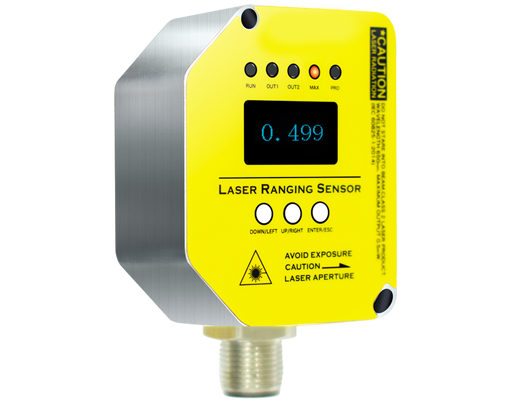
Modern advancements continue to push the boundaries of this technology. Polytec, a leader in the field, offers scanning laser Doppler vibrometers that can automatically measure thousands of points to create full-field operational deflection shapes. Keyence provides compact, user-friendly sensors integrated with controllers for industrial online monitoring. Innovations like 3D vibrometers now capture vibration vectors in three orthogonal directions simultaneously, providing a complete picture of complex motion. The integration of high-speed cameras with vibrometry data is also gaining traction for advanced research and development.
Despite their advantages, practitioners must be aware of limitations. The quality of measurement is inherently tied to the optical accessibility and reflectivity of the target. Highly rough, transparent, or fast-rotating surfaces can challenge the sensor's ability to maintain a lock on the reflected beam. Furthermore, the high precision and advanced features of these systems often come with a significant cost, making them a capital investment primarily justified for R&D, high-value asset monitoring, and quality control in manufacturing. For routine, long-term monitoring of less critical assets, traditional contact sensors might remain more economical.
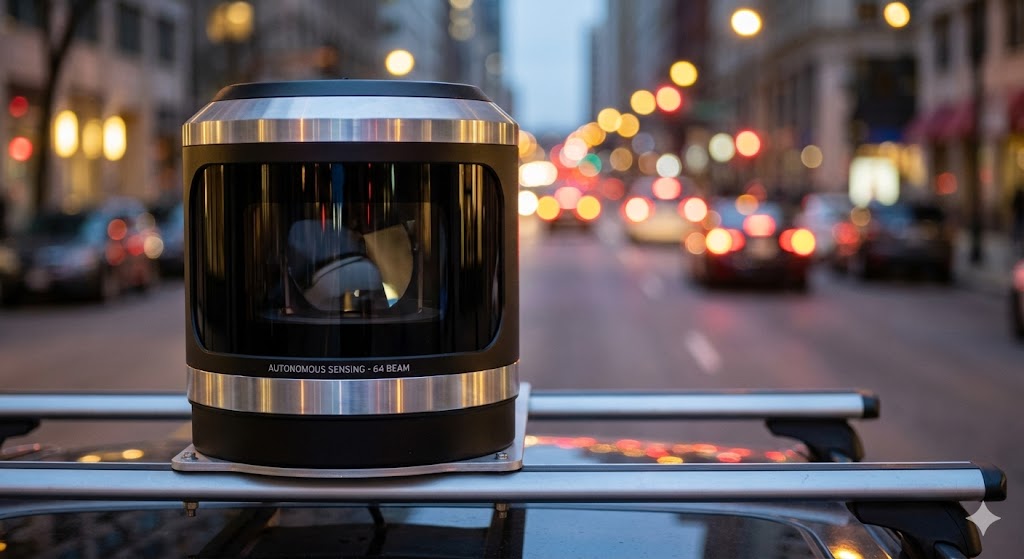
In conclusion, laser vibration sensors represent a powerful, non-invasive tool for dynamic measurement. Their ability to deliver precise, high-resolution data without mass-loading the structure under test makes them irreplaceable in advanced engineering and scientific investigations. As technology progresses towards greater integration, miniaturization, and data processing capabilities, their role in shaping the future of predictive maintenance, quality assurance, and fundamental research is set to expand even further. Engineers must weigh the technical specifications against application requirements and cost constraints to harness their full potential effectively.