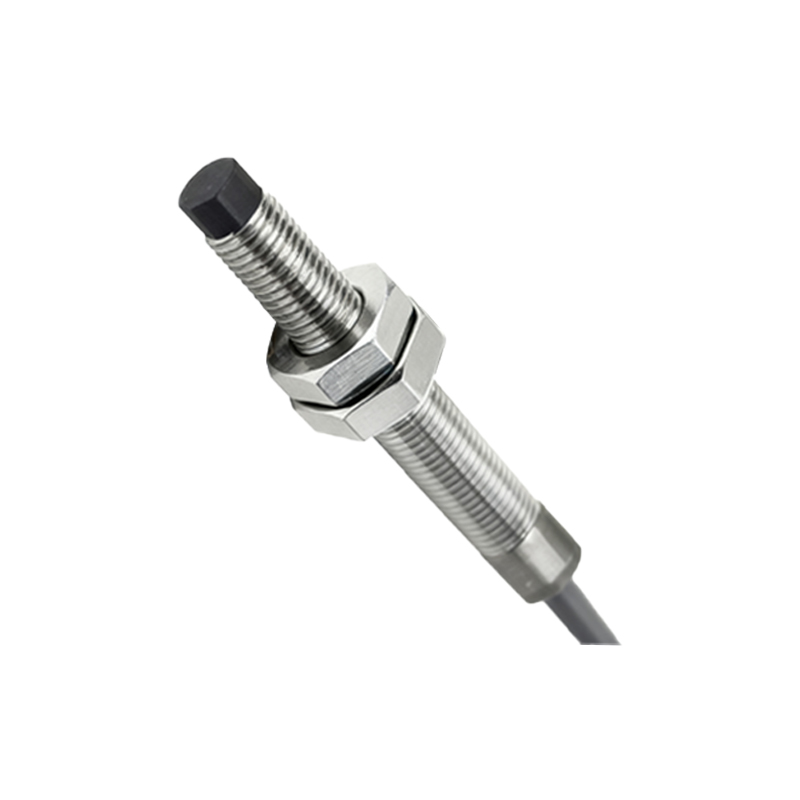
In the demanding environment of industrial automation and machinery, proximity sensors are indispensable components. They provide non-contact detection of metallic and, in some cases, non-metallic objects, enabling critical functions like position sensing, counting, and speed monitoring. However, the very environments where these sensors excel—areas with high vibration, flying debris, chemical exposure, or physical impact—are also the most threatening to their longevity and reliability. This is where the often-overlooked component, the proximity sensor bracket protective cover, becomes a vital element of system design and maintenance.
A proximity sensor bracket protective cover is a specialized housing or shield designed to enclose and protect both the sensor itself and its mounting bracket. Its primary function extends far beyond mere physical protection. While shielding the sensor from direct impacts, weld spatter, or falling tools is a key benefit, a well-designed cover serves multiple engineering purposes. It can guard against the ingress of contaminants such as dust, dirt, oils, coolants, and metal shavings, which can foul the sensor's sensing face or damage its electronics. In washdown environments common in food and beverage or pharmaceutical processing, a cover with an appropriate Ingress Protection (IP) rating, such as IP67 or IP69K, is essential to prevent failure from high-pressure, high-temperature cleaning.
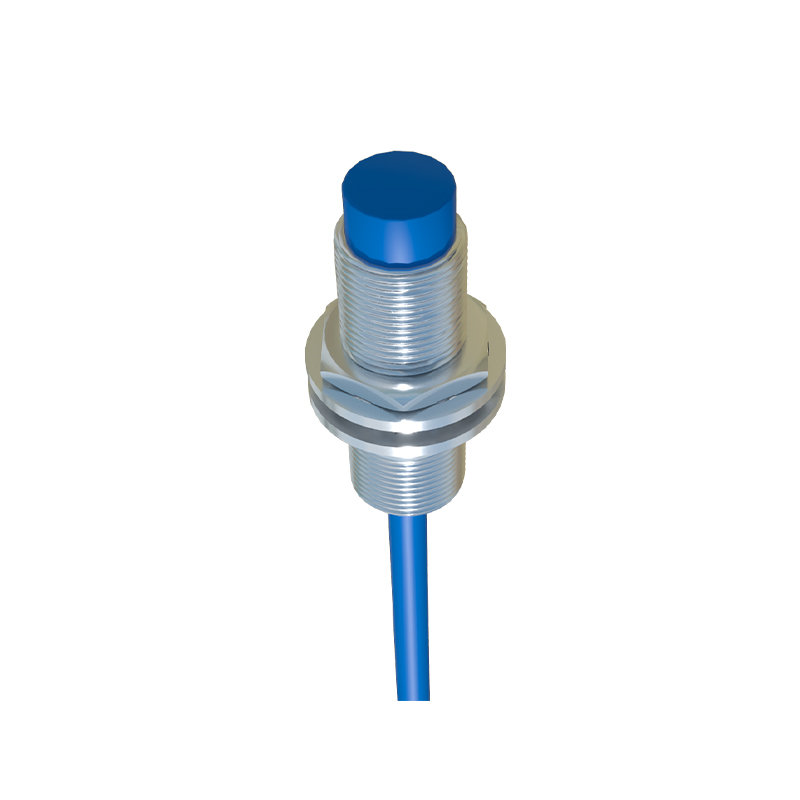
Material selection for these protective covers is a critical engineering decision. Common materials include rugged plastics like polyamide (nylon) or polycarbonate, which offer excellent impact resistance and chemical stability. For applications involving extreme temperatures or higher mechanical stress, metals like stainless steel or aluminum are preferred. The choice directly impacts the cover's durability, weight, and suitability for specific environmental challenges, such as UV exposure in outdoor applications or corrosion in marine atmospheres.
The design of a protective cover must balance protection with functionality. A crucial design consideration is ensuring it does not interfere with the sensor's operational field. For inductive proximity sensors detecting metals, the cover material must be non-metallic in the sensing area to avoid false triggering or reduced sensing distance. Ultrasonic or photoelectric sensors require covers made of materials that are acoustically transparent or optically clear, respectively. Furthermore, designs often incorporate features like hinged doors, removable panels, or transparent windows, allowing for easy visual inspection of indicator LEDs, routine maintenance, or sensitivity adjustments without requiring full removal. Proper cable gland integration is also vital to maintain the overall seal integrity of the sensor assembly.
Beyond physical and environmental protection, these covers contribute significantly to operational safety and compliance. They help prevent accidental contact with live electrical parts, reducing the risk of shock. In areas with potential for explosive atmospheres (ATEX/IECEx zones), certified protective housings can be part of a strategy to prevent sensors from becoming an ignition source. From a financial perspective, the investment in quality protective covers is quickly justified. They dramatically reduce sensor failure rates, minimize costly unplanned downtime for replacements, and extend the mean time between failures (MTBF) of the entire sensing system. This leads to lower total cost of ownership and higher overall equipment effectiveness (OEE).
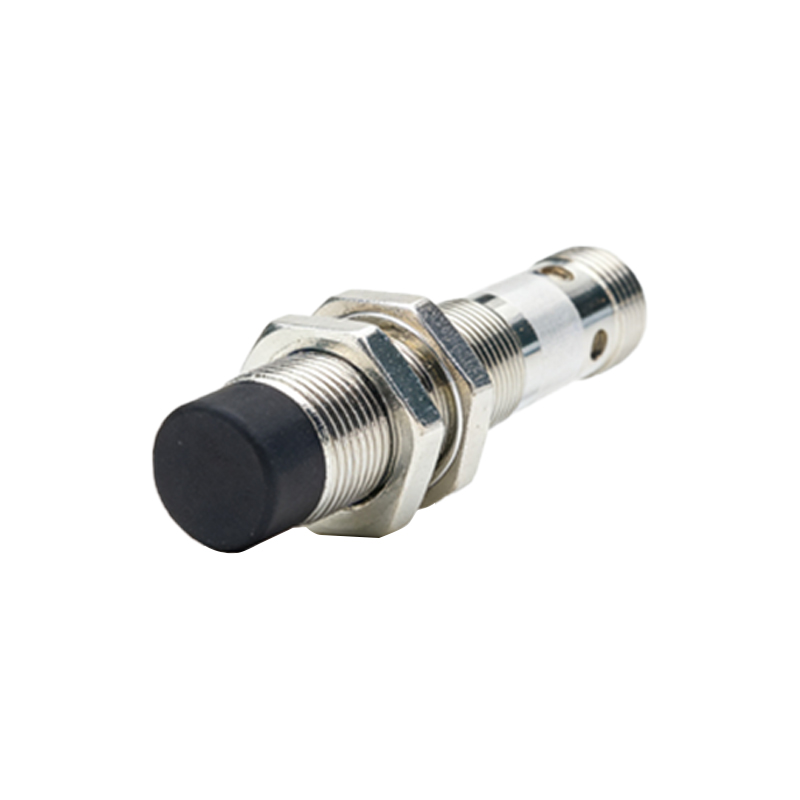
When specifying a proximity sensor bracket protective cover, engineers must conduct a thorough application analysis. Key factors include the specific sensor model and size, the required IP rating, the nature of potential contaminants, temperature ranges, the need for chemical resistance, and any mechanical load from vibration or impact. It is not a one-size-fits-all component. Partnering with suppliers who offer customizable solutions or a comprehensive range of standard covers is often the most efficient path to an optimal design.
In conclusion, the proximity sensor bracket protective cover is a quintessential example of a simple component delivering outsized value. It is a fundamental pillar of robust industrial design, transforming a sensitive electronic device into a hardened, reliable workhorse capable of surviving on the factory floor. Neglecting this element can lead to frequent sensor casualties, while its thoughtful integration ensures precision, durability, and continuous operation, safeguarding productivity and protecting capital investment in automation infrastructure.