In the rapidly evolving landscape of industrial automation and smart technology, laser sensors have emerged as a cornerstone component. For electrical industry professionals and investors alike, understanding the investment potential within this niche yet critical sector is paramount. Laser sensors, utilizing focused light beams for precise measurement, detection, and positioning, are integral to applications ranging from autonomous vehicles and robotics to advanced manufacturing and consumer electronics. This article delves into the market dynamics, key players, and future trends shaping the laser sensor industry, providing a foundational analysis for informed investment decisions.
The global laser sensor market is experiencing robust growth, driven by the relentless push towards Industry 4.0 and the Internet of Things (IoT). According to recent market research, the sector is projected to maintain a compound annual growth rate (CAGR) of over 8% in the coming years. This growth is fueled by increasing demand for high-precision, non-contact measurement solutions in environments where accuracy and reliability are non-negotiable. Sectors such as automotive (for LiDAR systems), aerospace (for alignment and inspection), and electronics (for semiconductor fabrication) are primary consumers, creating a diversified and resilient demand base. For investors, this translates to a market with multiple growth vectors rather than reliance on a single industry.
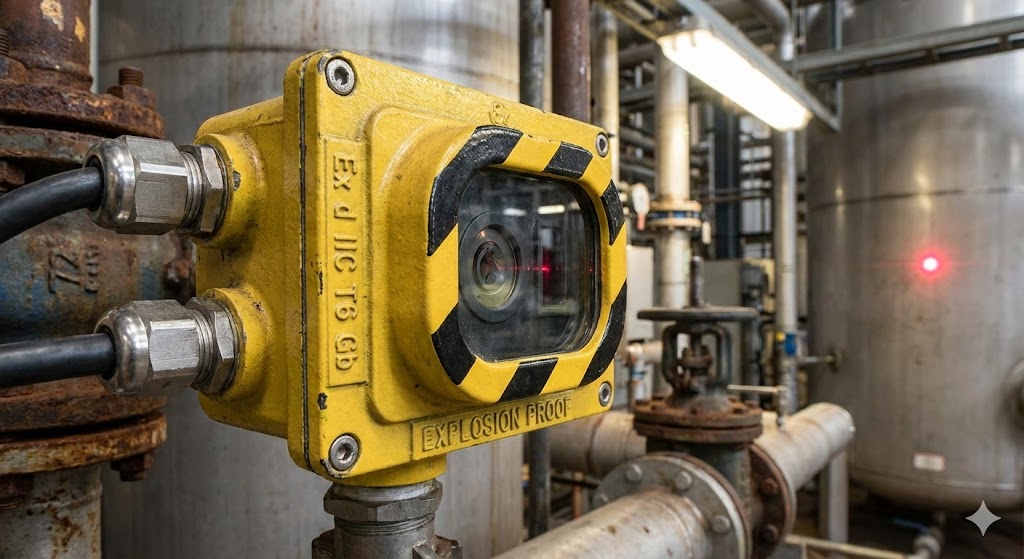
When evaluating laser sensor stocks, it is crucial to analyze companies not just as sensor manufacturers but as technology solution providers. The competitive landscape includes established conglomerates with diversified industrial portfolios and specialized pure-play firms. Key investment considerations should encompass technological moats, such as proprietary photonics technology, software algorithms for data interpretation, and miniaturization capabilities. Furthermore, a company's research and development (R&D) expenditure as a percentage of revenue is a critical metric, indicating its commitment to staying ahead in a field defined by rapid innovation. Supply chain robustness, particularly regarding semiconductor components and optical materials, is another vital factor affecting operational stability and cost management.

Several publicly traded companies are leaders in this space. Firms like Keyence Corporation (TYO: 6861), a Japanese giant, are renowned for their extensive portfolio of advanced sensor systems, including laser-based models, dominating factory automation. Sick AG, though privately held, often appears in the supply chains of public industrial entities, highlighting the sector's interconnectedness. In the United States, companies like Coherent, Inc. (NASDAQ: COHR), a leader in photonics, provide critical laser components that enable sensor functionality. Similarly, Teledyne Technologies Incorporated (NYSE: TDY) offers a range of sensing instruments, including laser-based solutions for harsh environments. Investors should also monitor smaller, agile firms specializing in emerging applications like biometric sensing or quantum sensing, which may present higher growth potential alongside increased volatility.
The future trajectory of laser sensor technology presents compelling investment themes. The advent of solid-state LiDAR for automotive safety and autonomy is a multi-billion dollar opportunity, with numerous companies vying for market share. Similarly, the integration of artificial intelligence and machine learning with sensor data is creating "smart sensors" capable of predictive analytics, enhancing their value proposition. Another trend is the development of low-cost, high-volume manufacturing techniques, which could democratize laser sensor use in consumer products. However, investors must remain cognizant of risks, including cyclical downturns in core industrial markets, intense price competition, and the potential for technological disruption by alternative sensing modalities like advanced radar or ultrasonic systems.
For the electrical engineer turned investor, conducting thorough due diligence is essential. Scrutinize quarterly earnings reports, paying close attention to segments related to "industrial automation," "sensing," or "photonics." Listen to management commentary on conference calls for insights into order backlogs, customer diversification, and R&D pipeline. Understanding the patent portfolio of a company can reveal its long-term competitive advantage. It is also advisable to consider investing through exchange-traded funds (ETFs) focused on robotics, automation, or semiconductors to gain diversified exposure to the laser sensor ecosystem while mitigating company-specific risks.
In conclusion, the laser sensor sector represents a sophisticated intersection of optics, electronics, and software, offering tangible investment opportunities aligned with macro technological trends. Success in this arena requires a technical understanding of the product's applications and a disciplined financial analysis of the companies that create them. By focusing on firms with sustainable technological advantages, strong R&D pipelines, and exposure to high-growth end markets, electrical industry professionals can strategically position their portfolios to capitalize on the precision-driven future that laser sensors are helping to build.