In the realm of industrial automation and quality control, proximity sensors are indispensable components. These non-contact devices detect the presence or absence of an object within a defined sensing range, providing critical data for process control, safety, and quality assurance. Their ability to operate without physical contact ensures minimal wear, high reliability, and consistent performance in demanding environments. This article explores the primary types of proximity sensors used for quality-focused applications, detailing their operating principles and typical use cases.
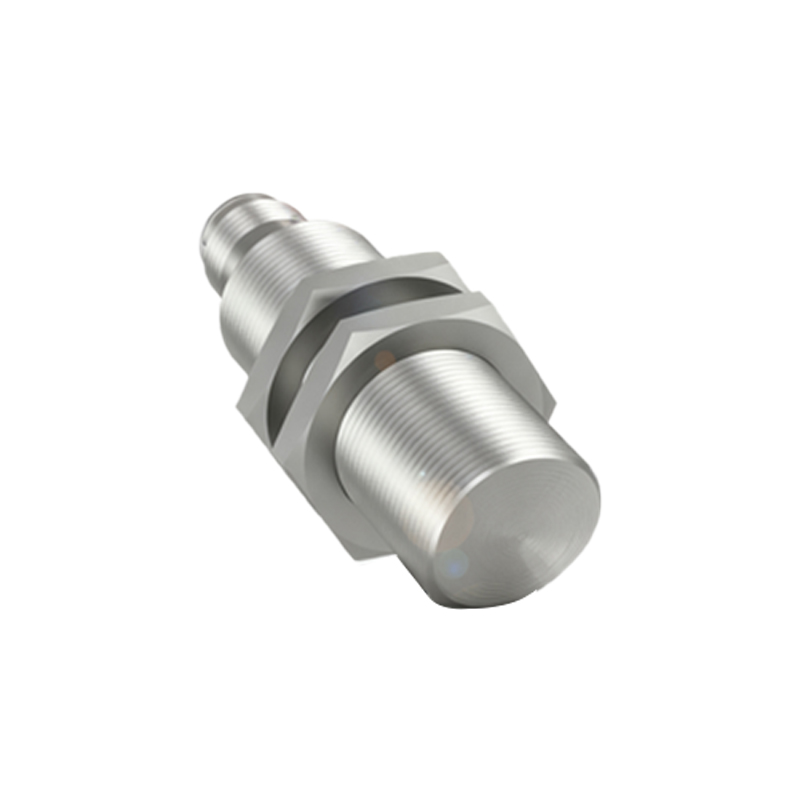
The most prevalent type is the Inductive Proximity Sensor. This sensor generates an electromagnetic field. When a metallic object enters this field, it induces eddy currents within the target, causing a change in the sensor's oscillation amplitude. This change is detected and triggers an output signal. Inductive sensors are highly robust, capable of withstanding harsh conditions involving dust, oil, and coolant. They are ideal for detecting metal parts in assembly lines, verifying the presence of nuts or bolts, counting metallic components, and monitoring rotational speed. Their sensing range is limited to ferrous and non-ferrous metals, making them unsuitable for non-metallic materials.
For detecting non-metallic objects, Capacitive Proximity Sensors are the preferred choice. These sensors function by generating an electrostatic field. Any object that enters this field alters the sensor's capacitance, triggering detection. Capacitive sensors can detect a wide variety of materials, including plastics, glass, wood, liquids, and granular substances. This versatility makes them perfect for applications such as liquid level detection in tanks, monitoring fill levels in packaging lines, detecting presence of plastic caps or labels, and controlling material handling systems for powders or pellets. They are sensitive to environmental factors like humidity and require careful calibration.
Ultrasonic Proximity Sensors operate by emitting high-frequency sound waves and measuring the time it takes for the echo to return. They can detect objects of virtually any material, shape, or color, and are effective over longer distances compared to inductive or capacitive types. Their key advantage is the ability to measure distance precisely, not just detect presence. Common applications include precise positioning control, loop control in web processes (like paper or textile), detecting transparent objects (e.g., glass bottles), and measuring stack height. Performance can be affected by temperature variations, air turbulence, and the object's sound-absorbing properties.
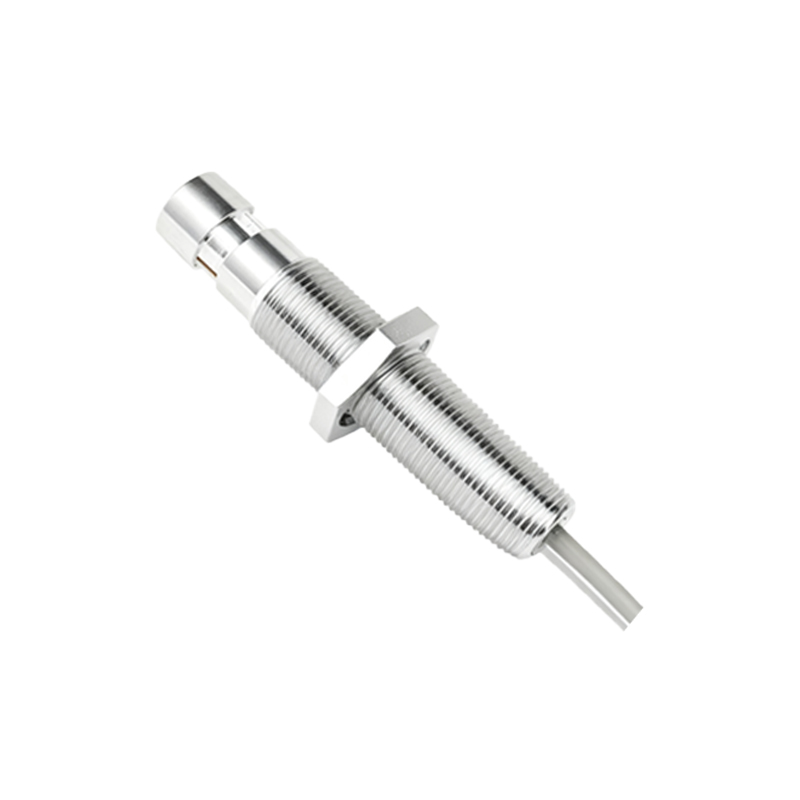
Photoelectric Sensors use a light beam (visible red, infrared, or laser) to detect objects. They come in several configurations: through-beam (separate emitter and receiver), retro-reflective (with a reflector), and diffuse-reflective (where the target reflects the light back). Photoelectric sensors offer very long sensing ranges and fast response times. They excel at detecting small objects, differentiating colors (with color sensors), and sensing transparent films or containers. They are widely used in packaging machinery, conveyor line object counting, bottle cap alignment verification, and break detection in production processes. Keeping the lens clean is crucial, as dirt or dust can impair functionality.
Magnetic Proximity Sensors are designed to detect permanent magnets. They typically use a reed switch or a Hall-effect chip. When a magnet approaches, the switch closes or the Hall-effect chip generates a voltage. These sensors are simple, cost-effective, and can be completely sealed, making them suitable for use in wet or hazardous environments. Typical applications include detecting the position of cylinder pistons in pneumatic systems, verifying door or hatch closure, and in rotary encoders for speed measurement.
Selecting the right proximity sensor for a quality control application requires careful consideration of several factors: the target material, required sensing distance, environmental conditions (temperature, contaminants), response speed, output type (PNP/NPN, analog, IO-Link), and installation constraints. Modern sensors often feature advanced diagnostics, IO-Link communication for parameterization and data exchange, and enhanced resistance to electrical noise and environmental interference.
In conclusion, from inductive sensors for metallic component verification to ultrasonic sensors for precise fill-level control, each type of proximity sensor offers unique capabilities that are fundamental to modern, quality-driven manufacturing. Their correct selection and integration are pivotal in building automated systems that ensure product consistency, optimize efficiency, and minimize waste.