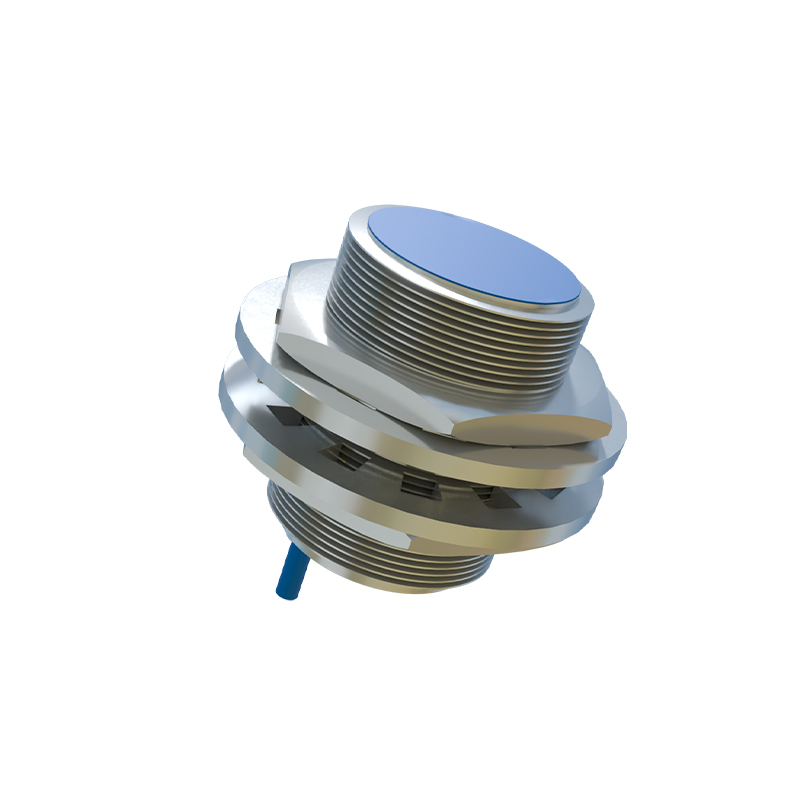
Proximity sensors are indispensable components in modern industrial automation, enabling non-contact detection of objects with high precision and reliability. Selecting the right proximity sensor requires a thorough understanding of key technical parameters that directly impact performance in specific applications. This article outlines the critical factors engineers must consider during the sensor selection process to ensure optimal system functionality and longevity.
First and foremost, the sensing range is a fundamental parameter. It defines the maximum distance at which the sensor can reliably detect a target object. Engineers must account for both the nominal sensing distance and any operational tolerances, as environmental factors like temperature fluctuations or electrical noise can affect actual performance. For instance, inductive sensors typically offer ranges from a few millimeters to several centimeters, while capacitive sensors may extend further depending on the material properties of the target.
The type of sensing technology plays a pivotal role in selection. Inductive sensors are ideal for detecting metallic objects, utilizing electromagnetic fields to sense ferrous and non-ferrous metals. Capacitive sensors, on the other hand, can detect a wider variety of materials, including liquids, plastics, and granular substances, by measuring changes in capacitance. Ultrasonic and photoelectric sensors provide even greater flexibility for long-range or complex detection scenarios, but may require careful calibration to avoid interference from ambient conditions.
Output configuration is another crucial consideration. Proximity sensors commonly provide digital outputs (e.g., NPN or PNP transistor-based) or analog outputs (e.g., 4-20 mA or 0-10 V signals). The choice depends on the control system interface and the need for binary detection versus continuous measurement. For example, PNP outputs are often preferred in PLC-based systems for their compatibility with positive logic circuits, while analog outputs suit applications requiring distance or level monitoring.
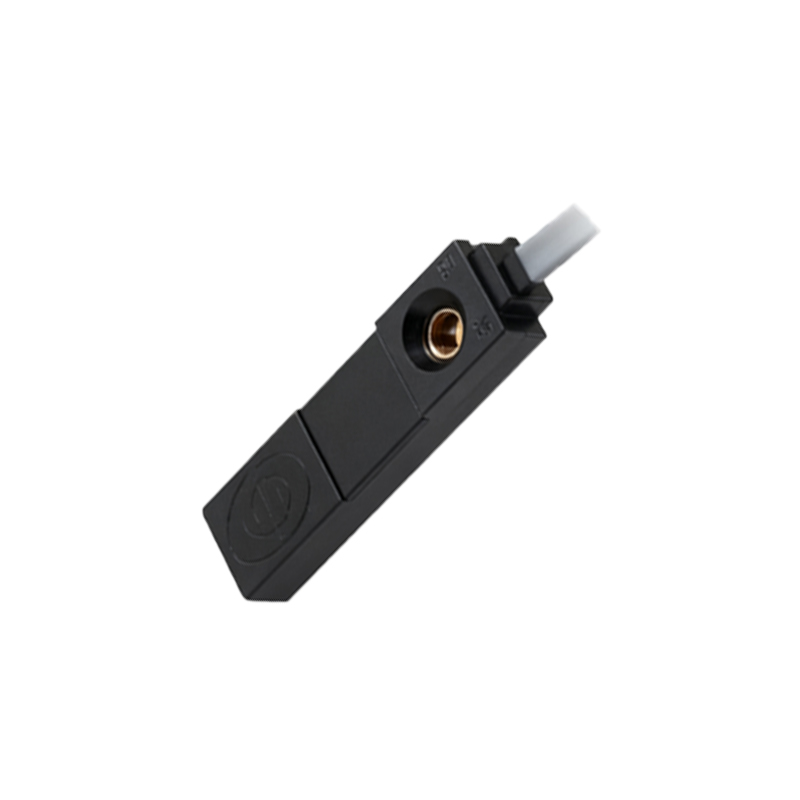
Environmental durability cannot be overlooked. Parameters such as ingress protection (IP) ratings, temperature range, and resistance to chemicals or vibrations determine the sensor's suitability for harsh industrial environments. A sensor with an IP67 rating, for instance, is dust-tight and can withstand temporary immersion, making it appropriate for washdown areas in food processing plants. Additionally, operating temperature specifications must align with the application's thermal conditions to prevent premature failure.
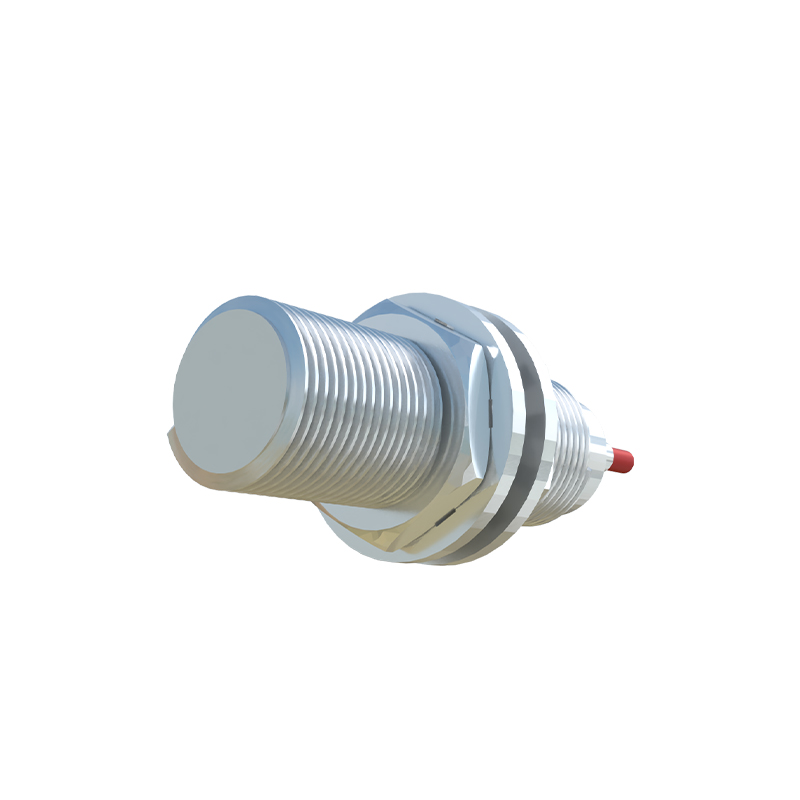
Response time and switching frequency are critical for high-speed automation tasks. Response time refers to the delay between target detection and output signal change, while switching frequency indicates how many detection cycles the sensor can perform per second. In packaging or assembly lines, sensors with millisecond-level response times and high switching frequencies ensure seamless operation without bottlenecks.
Finally, electrical characteristics like supply voltage, current consumption, and connection type must match the existing infrastructure. Most industrial sensors operate on 10-30 V DC, but variations exist. Engineers should verify compatibility with power supplies and wiring schemes to avoid installation issues or electrical damage.
In summary, selecting a proximity sensor involves balancing multiple parameters—sensing range, technology type, output configuration, environmental resilience, speed, and electrical specs—against application requirements. By methodically evaluating these factors, engineers can enhance system efficiency, reduce downtime, and achieve long-term reliability in diverse industrial settings.