In the realm of security and industrial automation, laser alarm sensors represent a pinnacle of precision detection technology. Unlike conventional infrared or microwave sensors, these devices utilize a focused beam of coherent light to establish an invisible tripwire or detection zone. The fundamental principle is straightforward: a laser emitter projects a beam toward a receiver. Any interruption or modulation of this beam triggers an alarm signal. This simple yet highly effective mechanism offers significant advantages in terms of accuracy, range, and resistance to environmental interference.
The core components of a typical laser alarm system include the laser diode emitter, a photodiode or phototransistor receiver, signal processing circuitry, and an output interface. Modern systems often employ modulated laser beams, where the light is pulsed at a specific frequency. This modulation allows the receiver to distinguish the genuine laser signal from ambient light sources, drastically reducing false alarms caused by sunlight, artificial lighting, or other optical noise. Advanced models incorporate digital signal processing (DSP) algorithms to further analyze beam characteristics, enabling them to differentiate between a slow-moving object like a drifting curtain and a fast, intentional intrusion.
One of the most compelling advantages of laser sensors is their exceptional range and precision. While a standard passive infrared (PIR) sensor might be effective up to 15 meters, a laser-based system can reliably cover distances exceeding 100 meters, even up to several hundred meters in high-end configurations. The beam divergence is extremely low, creating a detection line that is precise to the millimeter. This makes them ideal for securing long perimeters, such as fences, borders, warehouse exteriors, or critical infrastructure corridors. The narrow beam is also difficult to bypass without detection, as it does not create a broad field that can be circumvented.
Applications for laser alarm sensors are diverse and extend beyond traditional security. In perimeter protection, they form the first line of defense for military installations, airports, and data centers. Within industrial settings, they are indispensable for safety light curtains on hazardous machinery, ensuring operator safety by halting equipment when a beam is broken. They are also used in automated manufacturing for precise object detection, counting, and alignment in high-speed production lines. Furthermore, their precision finds use in specialized fields like museum artifact protection, where even minute displacement must be detected, and in research laboratories requiring stable, vibration-free environments.
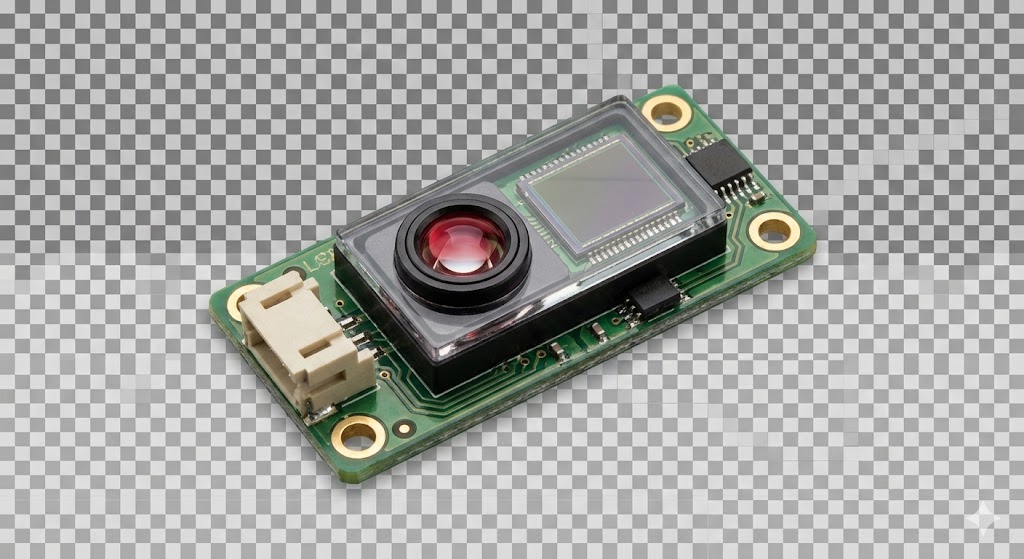
When selecting a laser alarm sensor for a specific application, several critical criteria must be evaluated. First is the operational range, which must suit the intended distance between emitter and receiver. Environmental rating is paramount; sensors deployed outdoors require robust housings with high Ingress Protection (IP) ratings (e.g., IP65 or IP67) to withstand dust, rain, and temperature fluctuations. The wavelength of the laser is another consideration. While many use visible red lasers for easier alignment, infrared lasers are invisible and preferable for covert security operations. The type of output signal (e.g., relay contact, NPN/PNP transistor, or digital protocols like RS-485) must be compatible with the existing alarm panel or control system.
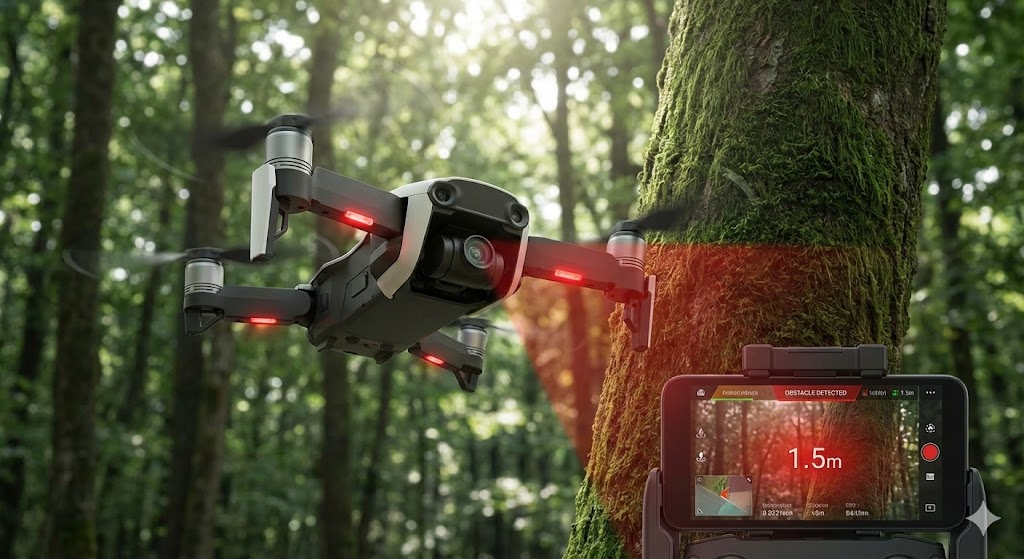
Installation and alignment are crucial for optimal performance. Although the beam is narrow, precise mounting on stable surfaces is necessary to prevent drift due to wind or structural movement. Many modern units feature built-in alignment aids, such as visual sights or audible signals that indicate beam reception strength. Regular maintenance, primarily lens cleaning to remove dust, dirt, or snow, is essential to maintain signal integrity.
Looking ahead, the integration of laser sensors with the Internet of Things (IoT) and artificial intelligence is shaping the next generation of systems. Smart sensors can now communicate status, log intrusion attempts with timestamps, and even integrate with video surveillance to pan-tilt-zoom a camera toward the breach point automatically. Developments in laser technology itself, including the use of eye-safe Class 1 lasers and more efficient diodes, continue to enhance safety and reliability.
In conclusion, laser alarm sensors offer a superior, high-precision solution for detection needs where reliability and accuracy are non-negotiable. Their technology bridges the gap between basic intrusion detection and sophisticated industrial automation, providing a versatile tool for engineers and security professionals. By carefully considering the application requirements—range, environment, and integration needs—one can leverage this technology to create highly secure and efficient systems, forming an invisible yet formidable barrier against unauthorized access or operational hazards.