In the realm of industrial automation and smart device integration, proximity sensors play a pivotal role in enabling non-contact detection and measurement. Among the various models available, the 12PM series of proximity sensors has garnered significant attention for its robust performance and versatility. This article delves into the technology behind the 12PM proximity sensor, its key applications across industries, and essential considerations for selection and implementation.
The 12PM proximity sensor is typically an inductive type, designed to detect metallic objects without physical contact. It operates on the principle of electromagnetic induction. The sensor generates an oscillating electromagnetic field from its active face. When a metallic target enters this field, eddy currents are induced in the target, causing a change in the oscillation amplitude or frequency within the sensor's coil. This change is detected by the sensor's internal circuitry, which then triggers a solid-state output signal—commonly a PNP or NPN transistor switch. The "12PM" designation often relates to specific housing dimensions, sensing range, and electrical characteristics, such as a 12mm diameter barrel and a particular mounting style. Key specifications usually include a nominal sensing distance (e.g., 2mm, 4mm, or 8mm), supply voltage range (commonly 10-30V DC), output type, and environmental protection ratings like IP67, making it suitable for harsh industrial environments.
The applications of the 12PM proximity sensor are extensive and critical. In manufacturing automation, they are indispensable for position sensing—detecting the presence or absence of parts on a conveyor, verifying if a robot gripper has successfully picked up a component, or serving as end-of-travel limit switches on linear actuators. The automotive industry relies on them for assembly line control, ensuring precise positioning of parts like engine blocks or door panels. In packaging machinery, these sensors count products, control filling levels, or monitor the position of sealing heads. Their non-contact nature ensures no wear and tear from mechanical interaction, leading to high reliability and long service life. Furthermore, their fast response time allows for high-speed counting and detection tasks, which is crucial in modern high-throughput production lines.
When selecting a 12PM proximity sensor for a specific application, several technical factors must be carefully evaluated. First, the sensing distance must be chosen with a safety margin; the effective sensing distance can be affected by the target material (steel, aluminum, brass), size, and shape. For instance, the sensing range for aluminum is typically less than that for mild steel. Second, the output configuration is vital. A PNP (sourcing) output switches the positive voltage to the load, while an NPN (sinking) output switches the ground connection. Compatibility with the programmable logic controller (PLC) or other control system input module is essential to avoid wiring and operational issues. Third, the housing material and protection rating must match the operating environment. Stainless steel housings offer superior corrosion resistance for washdown areas in food processing, while nickel-plated brass is common for general industrial use. An IP67 rating guarantees protection against dust ingress and temporary immersion, which is standard for many factory floor applications. Fourth, consider the electrical connections: pre-wired cables or quick-disconnect connectors offer different levels of installation and maintenance convenience. Finally, special variants like weld-field immune models are necessary near welding equipment to resist interference from strong magnetic fields, and high-temperature models are required for applications near ovens or furnaces.
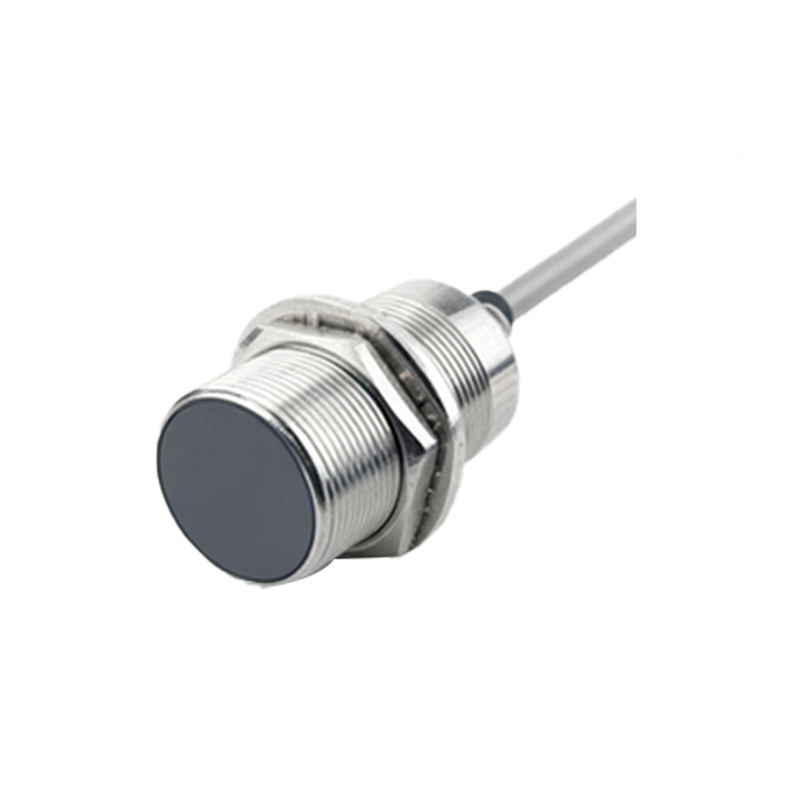
Installation and alignment are also critical for optimal performance. The sensor should be mounted securely to prevent vibration-induced false triggers. The sensing face must be positioned parallel to the target's approach path for the stated sensing range to be accurate. Factors like flank sensitivity (the ability to detect a target approaching from the side) and the influence of adjacent metallic objects must be accounted for during mounting. Regular maintenance, though minimal, involves checking for physical damage, buildup of debris on the sensing face, and verifying the output signal under operating conditions.
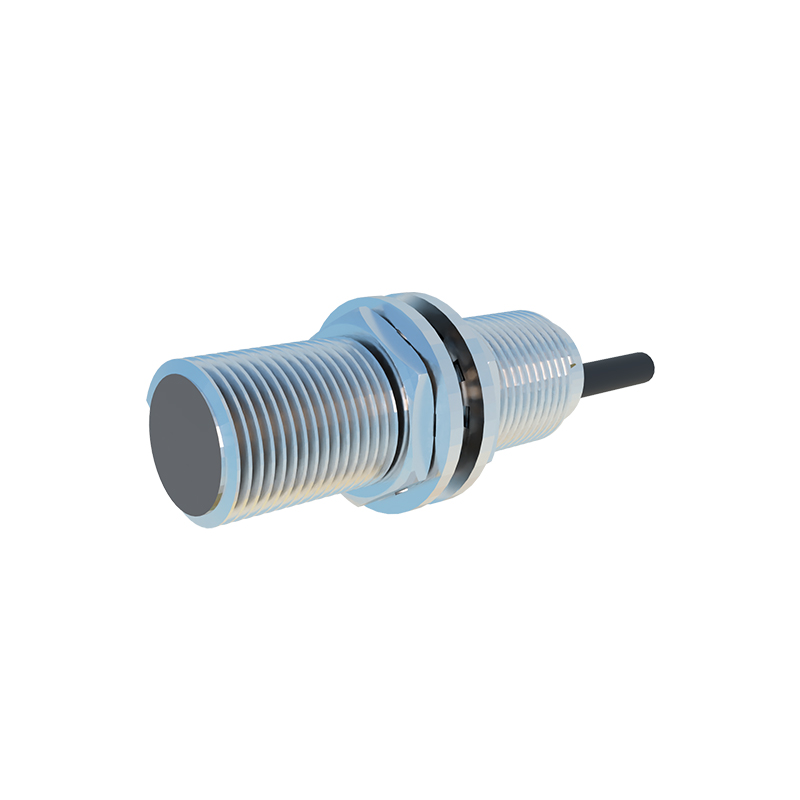
In conclusion, the 12PM proximity sensor represents a mature and highly reliable solution for a vast array of detection tasks in industrial and commercial settings. Its design balances sensing performance, physical durability, and electrical flexibility. By thoroughly understanding its operating principles, meticulously matching its specifications to the application requirements, and following proper installation practices, engineers and technicians can leverage this component to enhance system reliability, improve safety, and increase overall operational efficiency. As Industry 4.0 and the Internet of Things (IoT) continue to evolve, the integration of such sensors with networked systems for predictive maintenance and data analytics will further underscore their foundational importance in automated systems.