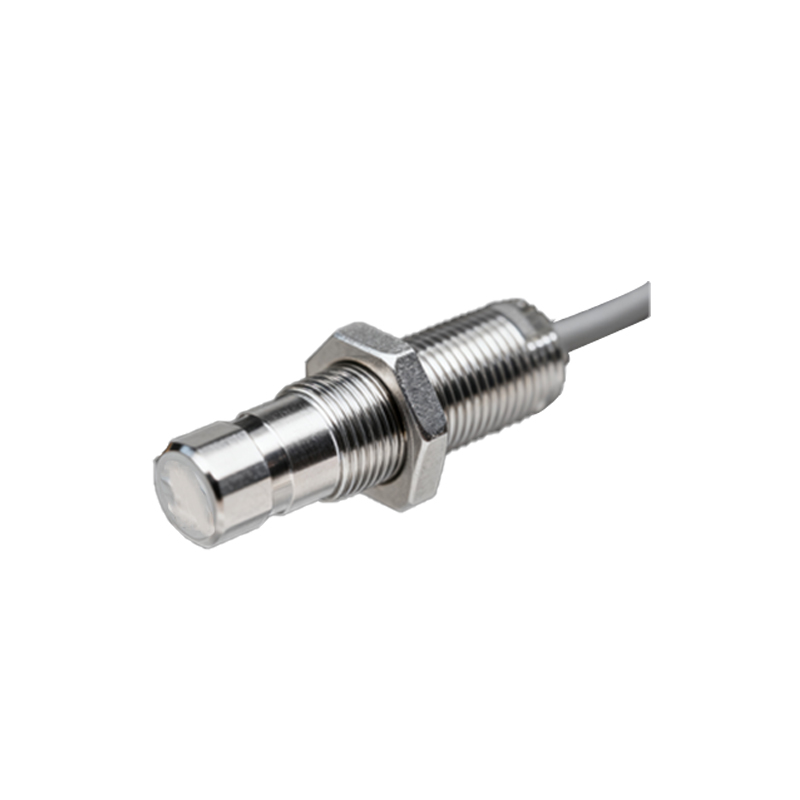
Photoelectric sensor proximity switches represent a critical component in modern industrial automation, offering non-contact detection capabilities across diverse applications. The modulation technology employed in these devices fundamentally enhances their performance, reliability, and immunity to environmental interference. Unlike simple on/off detection, modulation involves superimposing a specific frequency signal onto the emitted light beam, typically from an LED or laser diode. The receiver circuit is then tuned to recognize only this modulated frequency, effectively filtering out ambient light from factory lighting, sunlight, or other optical noise. This process, often referred to as synchronous detection or carrier modulation, is the cornerstone of stable photoelectric sensing in challenging conditions.
The core principle operates on a time-domain separation. The light source is pulsed at a high frequency, ranging from a few kilohertz to several hundred kilohertz. Common modulation methods include pulse modulation, frequency modulation, and phase-shift modulation. In a typical pulsed system, the transmitter emits a coded sequence of light pulses. The receiver's amplifier and demodulator circuit are synchronized to this exact pattern. When an object enters the sensing field, it reflects or interrupts this modulated beam. The receiver detects the change in the modulated signal—not just a change in light intensity—and triggers the switch output. This selective reception dramatically increases the signal-to-noise ratio, allowing the sensor to operate reliably even if the received light intensity is very low or contaminated by sporadic background light.
Implementing effective modulation requires sophisticated integrated circuitry. A timing oscillator generates the precise carrier frequency for the emitter drive circuit. Simultaneously, this reference signal is fed to the receiver's processing stage. The photodetector, usually a phototransistor or photodiode, converts the incoming optical signal into a weak electrical current. This signal passes through a narrow-bandpass filter centered on the modulation frequency. Only signals matching the transmitted frequency and phase characteristics pass through for further amplification and evaluation. This design makes the sensor highly selective; it will ignore a constant bright light or a light source pulsing at a different frequency. Advanced designs incorporate digital coding within the modulation to allow multiple sensors to operate in close proximity without crosstalk.
The benefits of modulation are profound in real-world settings. In logistics and packaging, modulated sensors accurately detect transparent films, glossy bottles, or varied colored objects by recognizing the modulated reflection rather than relying on inconsistent reflectivity. For long-range sensing applications, the focused energy of the pulsed light and the receiver's tuned sensitivity enable detection distances of tens of meters. Furthermore, modulated sensors exhibit superior performance in the presence of dust, steam, or light condensation, as the synchronous detection can distinguish the true target signal from gradual environmental obscuration. This robustness is essential in food processing, automotive welding lines, and outdoor applications.
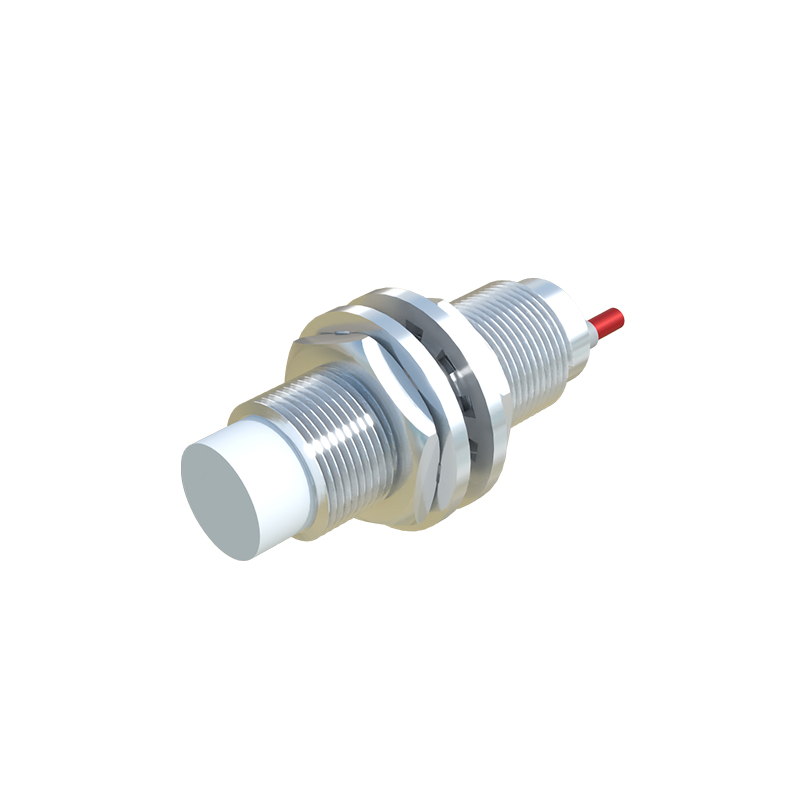
Choosing the right modulation scheme depends on the application. Pulse width modulation (PWM) offers excellent noise immunity and is standard for diffuse-reflective and through-beam sensors. Frequency modulation (FM) variants provide enhanced stability against specific interference patterns. For distance measurement or background suppression tasks, phase-shift modulation analyzes the time delay between the emitted and received modulated wave, providing precise positional data. Engineers must consider factors like required sensing distance, response time, target material, and the ambient optical environment when specifying a modulated photoelectric proximity switch.
In conclusion, modulation technology transforms a basic photoelectric device into a resilient and precise industrial tool. By leveraging the power of frequency-based signal discrimination, these switches deliver consistent operation where unmodulated sensors would fail. As automation demands higher precision and reliability, ongoing advancements in modulation techniques, including the integration of software-configurable parameters and advanced digital signal processing, continue to push the boundaries of what photoelectric proximity sensing can achieve. This technological evolution ensures their indispensable role in smart factories and intricate automated systems worldwide.