In today's fast-paced technological landscape, the demand for smaller, more efficient components has never been greater. Among these, miniature proximity sensors stand out as critical elements in countless applications, from consumer electronics to advanced industrial automation. These compact devices are engineered to detect the presence or absence of an object within a specified range without any physical contact, offering reliability and precision in a tiny package.
The core technology behind these sensors varies, with inductive, capacitive, and optical types being the most common. Inductive sensors excel in detecting metallic objects, making them ideal for manufacturing environments where metal parts are assembled or monitored. Capacitive sensors, on the other hand, can detect both metallic and non-metallic materials, including liquids and plastics, which expands their utility in packaging, food processing, and touch-sensitive interfaces. Optical miniature proximity sensors use light beams to sense objects, providing high accuracy for applications like robotics and medical devices where non-contact detection is paramount.
One of the key advantages of miniature proximity sensors is their ability to integrate seamlessly into space-constrained designs. As products like smartphones, wearables, and drones continue to shrink in size, these sensors enable features such as automatic screen dimming, gesture control, and collision avoidance. In industrial settings, their small form factor allows for installation in tight machinery spaces, facilitating real-time monitoring and control without disrupting operations. This integration often leads to enhanced safety, reduced downtime, and improved energy efficiency, as sensors can trigger actions only when needed.
Durability and environmental resistance are also hallmarks of high-quality miniature proximity sensors. Many models are built to withstand harsh conditions, including extreme temperatures, moisture, and vibration. This robustness ensures consistent performance in demanding sectors like automotive manufacturing, where sensors might be exposed to oil, dust, or rapid movements. Additionally, advancements in materials and manufacturing techniques have led to sensors with longer lifespans and lower power consumption, aligning with global trends toward sustainability and cost reduction.
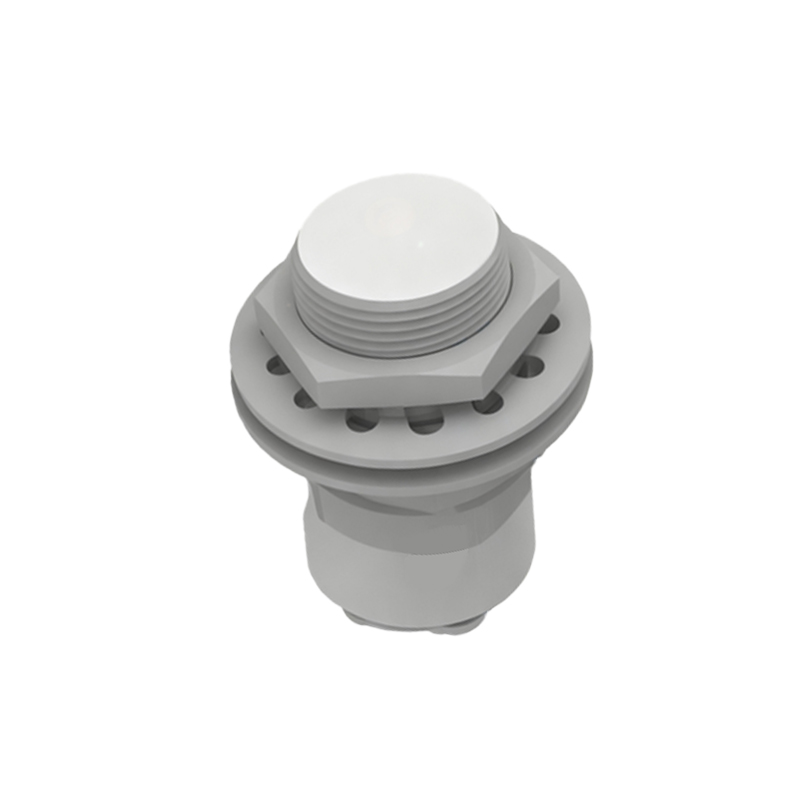
When selecting a miniature proximity sensor, several factors come into play. The sensing range, response time, and output type (e.g., digital or analog) must match the application's requirements. For instance, a high-speed production line might need a sensor with millisecond response times, while a battery-powered device could prioritize low energy use. Compatibility with existing systems, such as PLCs (Programmable Logic Controllers) or microcontrollers, is another consideration, as is the ease of calibration and maintenance.
Looking ahead, the future of miniature proximity sensors appears bright, driven by innovations in IoT (Internet of Things) and smart automation. As more devices become interconnected, these sensors will play a pivotal role in collecting data for analytics and decision-making. Emerging trends include the development of even smaller sensors with enhanced sensitivity, as well as integration with wireless communication protocols for remote monitoring. In healthcare, for example, tiny sensors could enable new diagnostic tools or implantable devices that monitor patient health in real time.
In summary, miniature proximity sensors are indispensable components that bridge the gap between compact design and advanced functionality. Their versatility across industries underscores their importance in modern technology, offering solutions that are not only small in size but also powerful in performance. By understanding their types, applications, and selection criteria, engineers and designers can leverage these sensors to create smarter, more efficient products and systems for a connected world.