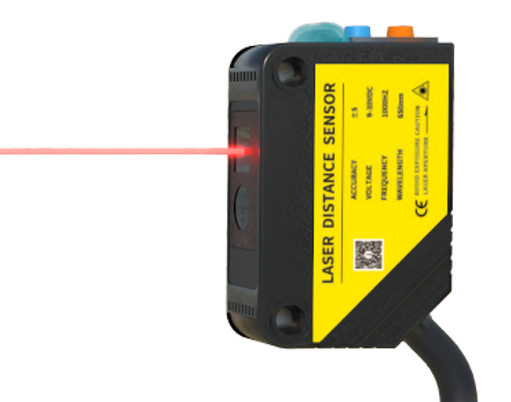
Laser sensor technology has revolutionized water management and monitoring across various industrial sectors. These advanced devices utilize laser beams to detect, measure, and analyze water presence, level, flow, and quality with exceptional precision. Unlike traditional contact sensors, laser sensors operate on a non-contact principle, emitting a focused laser beam towards the target surface. The sensor then calculates distance or detects presence by measuring the time it takes for the light to reflect back (Time-of-Flight or ToF principle) or by analyzing changes in the beam's properties.
In water-related applications, this technology offers significant advantages. For level monitoring in tanks, reservoirs, or open channels, laser sensors provide highly accurate readings unaffected by water density, temperature, or conductivity changes. They are invaluable in harsh environments where corrosive or turbulent water conditions would degrade contact probes. Industries such as wastewater treatment, chemical processing, and power generation rely on laser sensors for critical control loops, ensuring optimal tank levels and preventing overflows or pump dry-running.
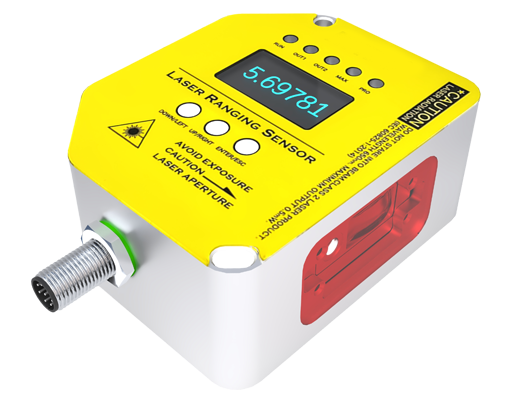
Flow measurement represents another crucial application. By targeting a laser beam on the water surface and analyzing the Doppler shift of the reflected light, sensors can calculate flow velocity in pipes or open conduits without any intrusion into the flow stream. This method is ideal for clean water, slurries, or even aggressive liquids where mechanical meters would fail. Furthermore, laser-based turbidity sensors assess water quality by measuring the scattering of laser light caused by suspended particles, providing real-time data for process control in purification plants or environmental monitoring stations.
The selection of an appropriate laser sensor depends on specific requirements. Key factors include measurement range, required accuracy, response time, and the environmental conditions (e.g., exposure to steam, dust, or extreme temperatures). Modern sensors often feature robust housings (IP67/IP68 ratings), integrated temperature compensation, and digital interfaces (like IO-Link or analog outputs) for seamless integration into SCADA or PLC systems. Regular maintenance is minimal but essential, primarily involving lens cleaning to ensure the laser beam is not obstructed.
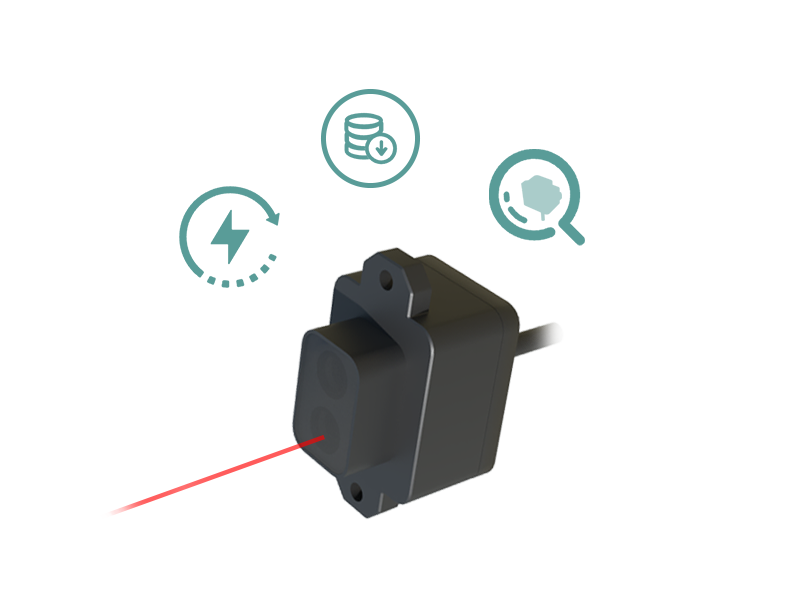
Looking ahead, integration with Industrial IoT platforms is enhancing the capabilities of laser water sensors. They now facilitate predictive maintenance, trend analysis, and remote configuration, contributing to smarter, more efficient, and sustainable water resource management. As industries face stricter regulations and a greater emphasis on efficiency, the adoption of reliable, non-contact laser sensing technology for water applications is set to grow, driving innovation in how we monitor and control this vital resource.