In the rapidly evolving landscape of industrial automation, 3D proximity sensors have emerged as a cornerstone technology, driving unprecedented levels of precision, safety, and efficiency. Unlike traditional 2D sensors that provide limited planar data, 3D proximity sensors capture volumetric information, enabling machines to perceive depth, shape, and position in three-dimensional space. This capability is transforming a myriad of applications, from robotic guidance and quality inspection to autonomous vehicles and smart infrastructure.
The core technology behind 3D proximity sensing typically involves time-of-flight (ToF), structured light, or stereoscopic vision principles. Time-of-flight sensors, for instance, measure the time it takes for emitted light (often infrared) to bounce back from an object, calculating distance with high accuracy. Structured light systems project a known pattern onto a scene and analyze its deformation to reconstruct 3D geometry. These methods allow for real-time, non-contact measurement of objects, even in challenging environments with variable lighting or complex surfaces.
In manufacturing and robotics, 3D proximity sensors are indispensable for tasks such as bin picking, where robots must identify and grasp randomly oriented parts from a container. By providing detailed depth maps, these sensors enable robotic arms to navigate cluttered spaces with dexterity, reducing cycle times and minimizing errors. Similarly, in assembly lines, they facilitate precise component alignment and verification, ensuring that every product meets stringent quality standards. The automotive industry leverages 3D sensors for vehicle assembly, crash testing analysis, and advanced driver-assistance systems (ADAS), where they detect pedestrians, obstacles, and other vehicles to enhance safety.
Beyond industrial settings, 3D proximity sensing is paving the way for innovation in healthcare, logistics, and consumer electronics. In medical imaging, sensors assist in minimally invasive surgeries by providing surgeons with real-time 3D visuals of anatomical structures. Warehouses utilize them for inventory management, enabling automated systems to measure package dimensions and optimize storage space. Consumer devices, like smartphones and gaming consoles, incorporate 3D sensors for facial recognition, gesture control, and augmented reality experiences, creating more intuitive user interfaces.
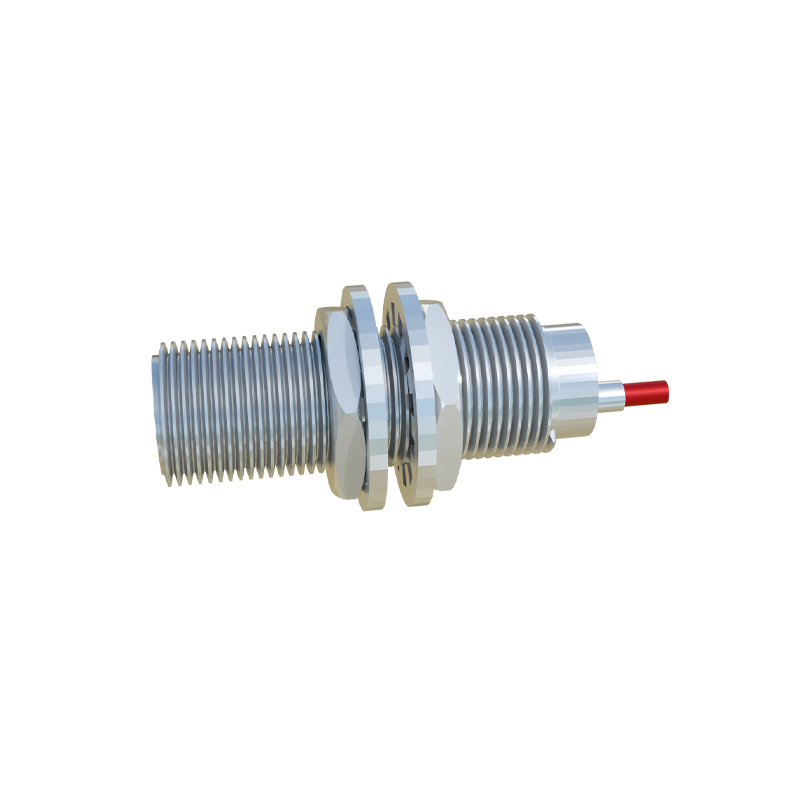
However, deploying 3D proximity sensors comes with challenges. Factors such as ambient light interference, reflective surfaces, and high-speed motion can affect accuracy. Engineers must carefully select sensor types based on range, resolution, and environmental conditions. Calibration and integration with existing control systems also require expertise to ensure seamless operation. Ongoing advancements in machine learning and sensor fusion are addressing these hurdles, combining data from multiple sensors to improve reliability and adaptability.
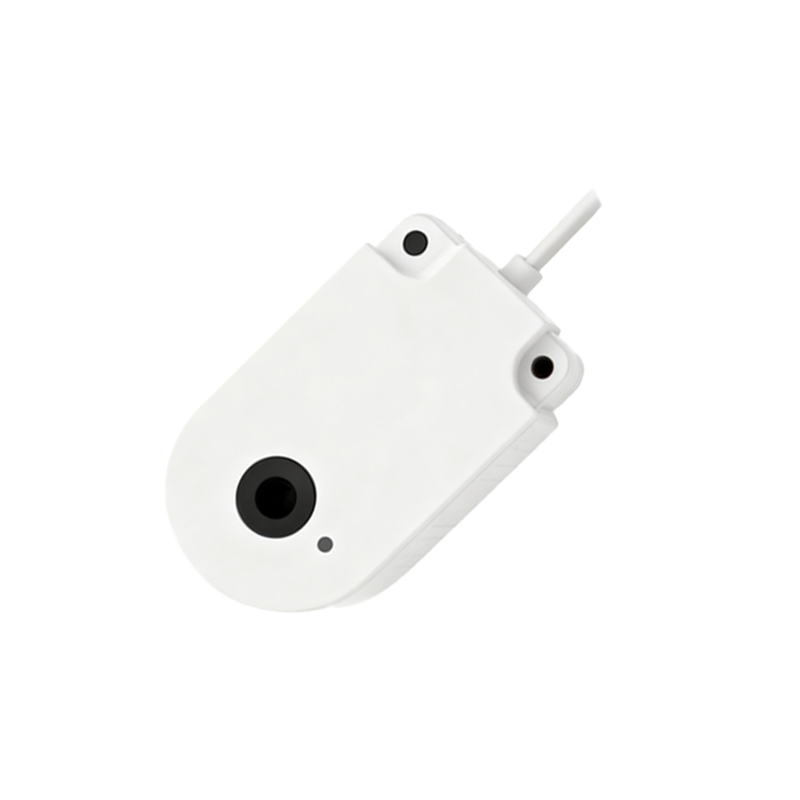
Looking ahead, the future of 3D proximity sensors is intertwined with the growth of the Internet of Things (IoT) and Industry 4.0. As factories become smarter and more connected, these sensors will play a pivotal role in creating adaptive, self-optimizing production lines. Miniaturization and cost reduction are making the technology accessible to smaller enterprises, fostering innovation across sectors. With their ability to bridge the physical and digital worlds, 3D proximity sensors are not just tools for automation but enablers of a more intelligent, responsive, and efficient global ecosystem.
In conclusion, 3D proximity sensors represent a significant leap forward in sensing technology. By delivering rich, three-dimensional data, they empower systems to interact with their surroundings in ways previously unimaginable. For engineers and industry leaders, understanding and leveraging this technology is key to staying competitive in an era defined by automation and digital transformation. As research continues to enhance their capabilities, we can expect 3D proximity sensors to unlock new possibilities, driving progress from the factory floor to everyday life.