In the realm of industrial automation, precise position and speed feedback are non-negotiable for system accuracy and reliability. Among the myriad of sensing technologies available, photoelectric proximity sensor encoders stand out as a cornerstone solution. These devices elegantly combine the non-contact detection capabilities of photoelectric sensors with the precise angular or linear displacement measurement of encoders, offering a robust and versatile tool for engineers.
At its core, a photoelectric proximity encoder operates on the principle of light modulation. A typical incremental rotary encoder consists of a light source (usually an LED), a rotating disk (code wheel) with precisely etched opaque and transparent slots, and a photodetector array. As the disk rotates, the patterned slots interrupt the light beam, generating a series of digital pulses. The photodetectors convert these light patterns into two primary square wave signals, typically labeled Channel A and Channel B, which are 90 degrees out of phase. This quadrature output is fundamental; it allows the control system to determine not only the speed (from pulse frequency) but also the direction of rotation (by analyzing which channel leads the other). An additional index pulse (Z-channel) provides a single reference pulse per revolution for homing or absolute reference purposes. The resolution of the encoder is directly determined by the number of slots on the disk, often specified in pulses per revolution (PPR).
The "proximity" aspect refers to the sensor's ability to detect the presence or passage of the code wheel without physical contact. This is a critical advantage. Unlike mechanical contact-based systems, photoelectric encoders suffer no wear from friction, leading to dramatically longer service life and maintenance-free operation. They are immune to issues like contact bounce and can operate at significantly higher rotational speeds. The non-contact nature also makes them ideal for applications involving delicate mechanisms or where contamination from wear debris is unacceptable.
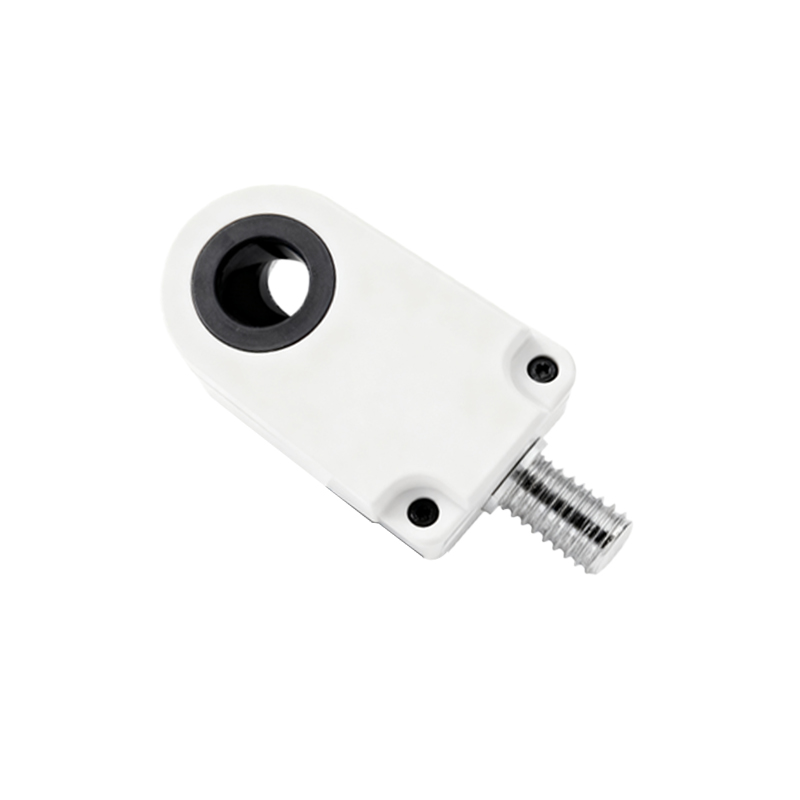
The applications for photoelectric proximity encoders are vast and span across numerous industries. In robotics, they provide precise joint angle feedback for articulated arms, ensuring accurate movement and positioning. On CNC machines and servo motors, they are integral for closed-loop control, enabling high-precision machining by constantly monitoring motor shaft position and velocity. Conveyor systems utilize them for synchronizing product placement, measuring line speed, and controlling indexing. They are also found in packaging machinery, textile manufacturing, semiconductor wafer handling, and printing presses—anywhere precise motion control is paramount.
Selecting the right photoelectric encoder for an application requires careful consideration of several key parameters. First is the required resolution (PPR), which must match the precision needs of the control system. Output type is another crucial decision: common options include open-collector, push-pull, and line driver (differential) outputs. Line driver outputs (like RS-422) are preferred for environments with electrical noise, as they provide superior noise immunity over longer cable runs. The physical size and shaft configuration (hollow or solid shaft) must fit the mechanical constraints of the motor or machine. Environmental robustness is non-negotiable in industrial settings; the encoder's Ingress Protection (IP) rating indicates its resistance to dust and moisture. For harsh environments with coolants, oils, or vibrations, encoders with metal housings and high IP ratings (e.g., IP64, IP67) are essential. Finally, the supply voltage (e.g., 5V DC, 12-24V DC) must be compatible with the plant's control voltage.
While offering numerous benefits, photoelectric encoders do have limitations that engineers must acknowledge. They can be susceptible to contamination; dust, oil mist, or condensation on the code wheel or optical window can scatter or block the light beam, leading to signal dropout or errors. Therefore, proper sealing is critical for dirty environments. Strong ambient light, particularly from sources like welding arcs or direct sunlight, can also interfere with the internal light source. Modern designs mitigate this with modulated infrared light and specialized filtering. Furthermore, they are generally more sensitive to shock and vibration compared to some magnetic encoder technologies, although ruggedized models are available.
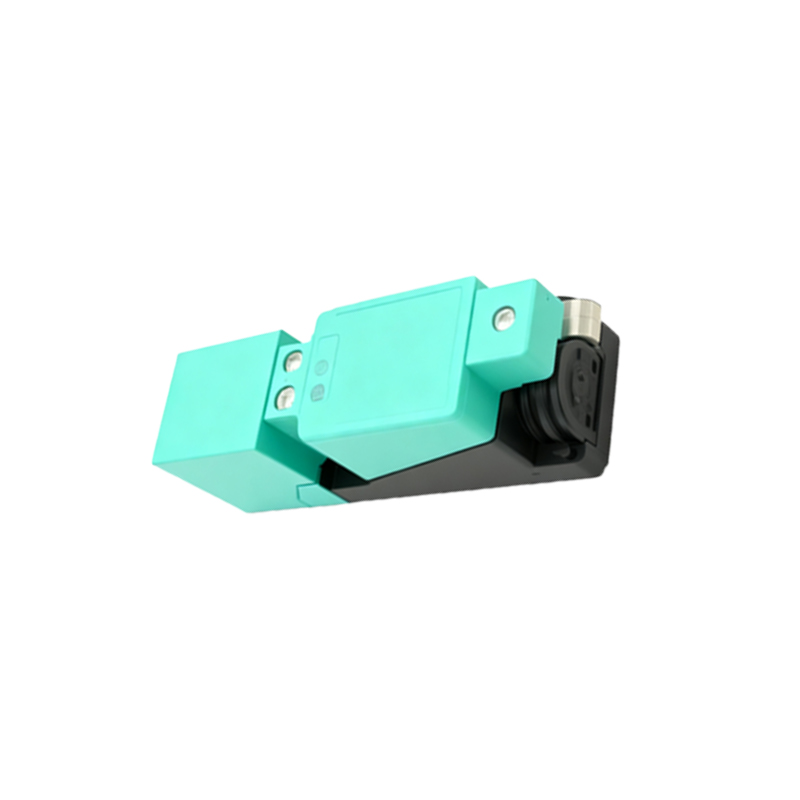
In conclusion, photoelectric proximity sensor encoders are a mature, highly reliable, and precise technology that forms the sensory backbone of modern automated systems. Their ability to provide accurate, real-time feedback on position and speed in a non-contact manner makes them indispensable for achieving the high levels of efficiency, quality, and repeatability demanded by contemporary manufacturing and robotics. By understanding their operating principles, key specifications, and application considerations, automation engineers can effectively select and implement these critical components to optimize system performance and ensure long-term operational success.