In the intricate world of industrial automation and machine safety, the ability to detect an object's presence without physical contact is not just a convenience—it's a cornerstone of efficiency, precision, and safety. Proximity sensors, the silent sentinels of modern manufacturing, fulfill this critical role. Among their most vital applications is enabling machinery to perform an automatic "approach and halt" or "stop-on-detection" function. This article delves into the technology behind these sensors, their operational principles, and their indispensable role in creating intelligent, responsive systems.
At their core, proximity sensors are devices that detect the presence or absence of an object within a specified sensing range, without any physical contact. They achieve this by emitting a field or beam and monitoring for changes in that field caused by a target object. When an object enters this predefined detection zone, the sensor's output state changes, typically sending an electrical signal to a control system like a Programmable Logic Controller (PLC). This signal is the fundamental command that can trigger an immediate machine halt, initiate a sequence, or activate a safety interlock.
Several key technologies power proximity sensors, each suited to different materials and environments. Inductive proximity sensors are the workhorses for detecting metallic objects. They generate an electromagnetic oscillating field. When a conductive metal target enters this field, it induces eddy currents within the target, which dampens the sensor's oscillation. This change is detected, and the sensor switches its output. They are incredibly robust, immune to dust, oil, and non-metallic debris, making them ideal for harsh industrial environments like machining centers or robotic arms where a metal part must trigger a precise stop.
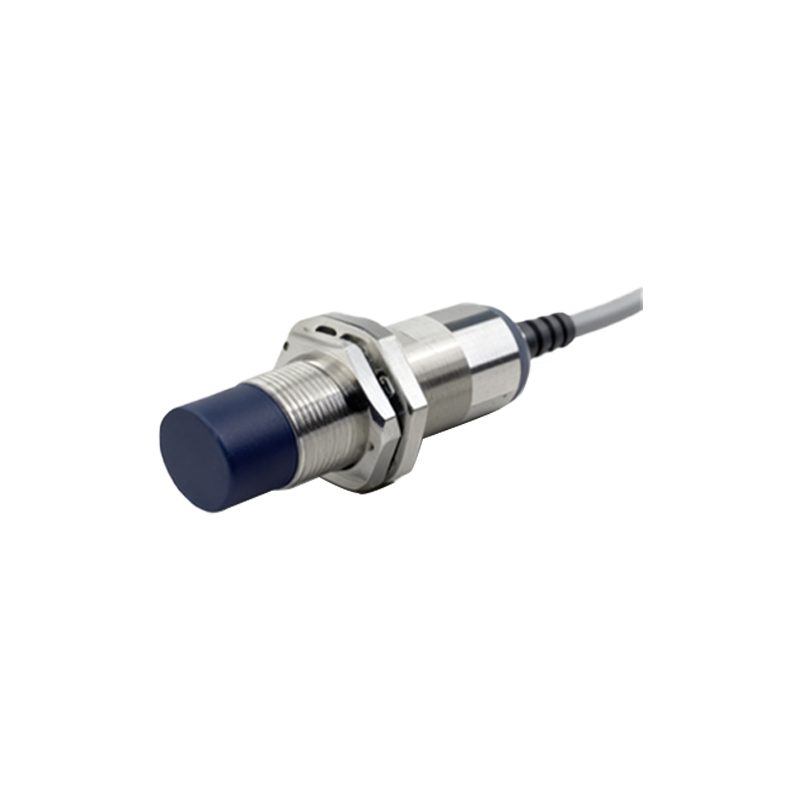
For non-metallic targets—including plastics, wood, liquids, glass, and virtually any material—capacitive proximity sensors are the solution. These sensors function like an open capacitor. They generate an electrostatic field between two electrodes. Any object that enters this field alters the dielectric constant and thus the capacitance of the system. This measurable change triggers the output. They are perfect for applications like detecting fill levels in tanks (halting a conveyor when a bottle is full) or presence detection of packaging materials.
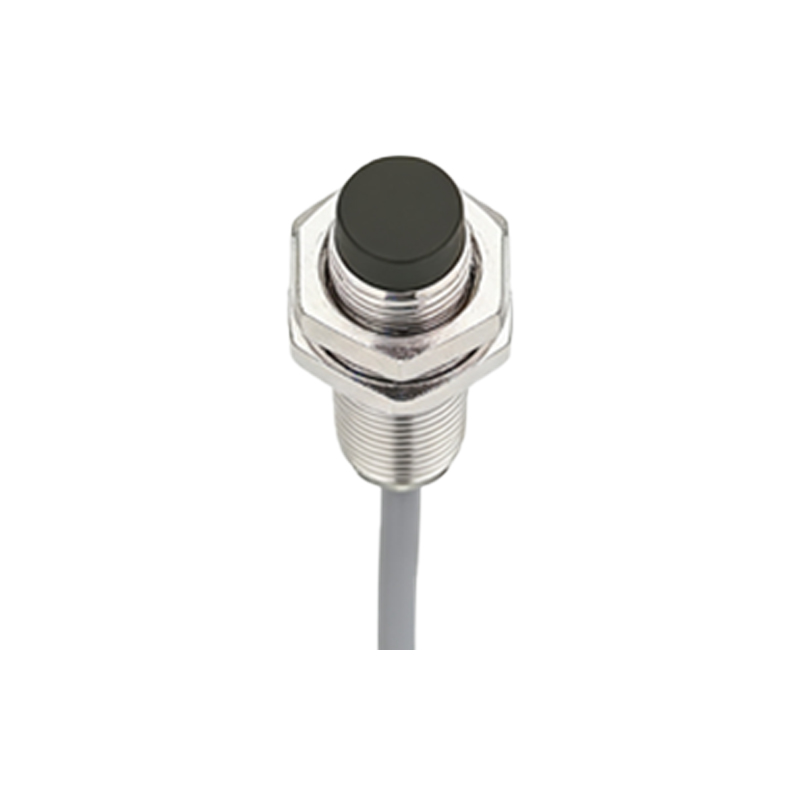
A third major category is photoelectric sensors, which use light beams. These consist of an emitter (light source) and a receiver. When an object interrupts or reflects this light beam (depending on the model: through-beam, retro-reflective, or diffuse), the receiver detects the change and triggers the output. They offer the longest sensing ranges and can detect objects of any material, color, or finish, provided they affect the light path. They are extensively used in packaging, material handling, and automated assembly lines to halt processes when an object is misaligned or missing.
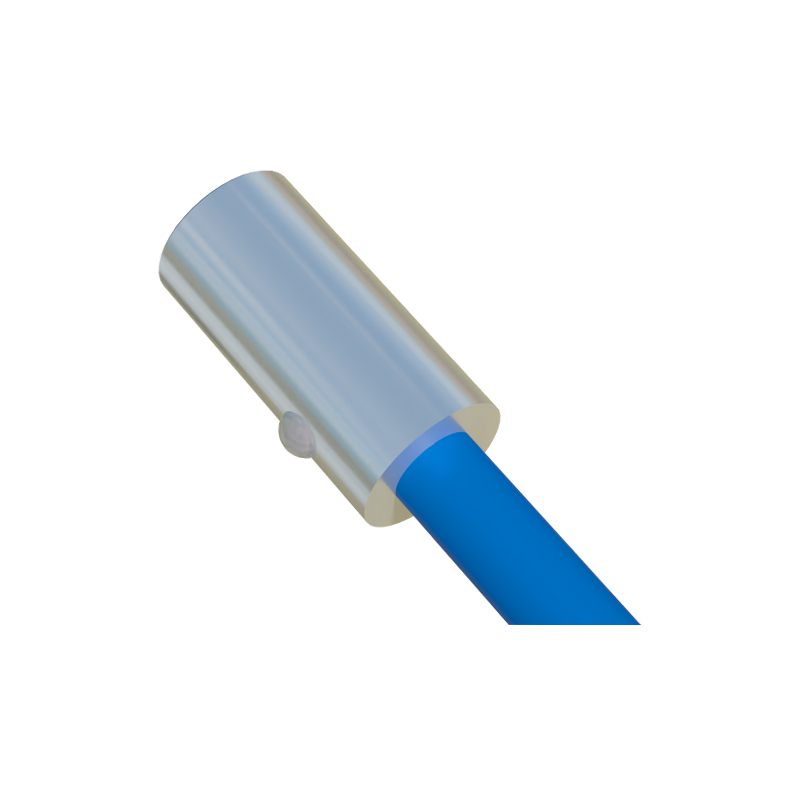
The implementation of a "proximity-triggered stop" system is a paradigm of reliability. Unlike mechanical limit switches that require physical impact and are subject to wear, proximity sensors offer non-contact, wear-free operation. This translates to dramatically reduced maintenance, higher operational speeds, and exceptional longevity. The absence of physical contact also eliminates the risk of damaging either the sensor or the target object, which is crucial for handling delicate components.
Safety is arguably the most critical application. Safety-rated proximity sensors, often in the form of safety light curtains or laser scanners, create invisible protective fields around hazardous areas. If an operator's hand or body breaks this field, the sensor sends a signal to a safety relay that commands the dangerous machine—a press, robot, or saw—to perform a controlled or emergency stop (Category 0 or 1 stop as per ISO 13849). This application is non-negotiable for modern machine guarding and personnel protection.
Designing an effective stop-on-detection system requires careful consideration. Engineers must select the correct sensor type based on the target material. The sensing range, or "rated operating distance," must be chosen with a safety margin to ensure the machine can halt completely before a collision occurs. Environmental factors like temperature, humidity, and the presence of contaminants (e.g., welding spatter, coolant mist) dictate the required ingress protection (IP) rating. Finally, the output type (PNP/NPN, NO/NC) must be compatible with the control system's input card.
In conclusion, proximity sensors are the fundamental enablers of the automated "approach and halt" function that defines smart, safe, and efficient industrial operations. From ensuring precise positioning on an assembly line to safeguarding human workers, their non-contact detection capability provides a level of reliability and sophistication that mechanical alternatives cannot match. As Industry 4.0 and the Internet of Things (IoT) advance, these sensors are evolving into intelligent nodes, providing not just a simple stop signal, but diagnostic data and predictive maintenance insights, further solidifying their role as indispensable components in the automated landscape.