In modern industrial automation, laser sensors have become indispensable components for precision measurement, object detection, and quality control. Their high accuracy, speed, and reliability make them critical for applications ranging from manufacturing and robotics to logistics and safety systems. However, the sophisticated optical and electronic components within laser sensors are vulnerable to various environmental and operational hazards. Implementing robust protection strategies is not merely an option but a necessity to ensure longevity, accuracy, and return on investment. This guide delves into the primary threats to laser sensors and outlines best practices for their protection.
The operating environment poses the most significant challenge. Industrial settings are often rife with contaminants such as dust, oil mist, coolant fluids, and metal shavings. These particulates can accumulate on the sensor's lens or optical window, attenuating the laser beam and causing signal degradation or complete failure. For instance, in machining or welding areas, airborne debris can quickly coat optical surfaces. The solution lies in selecting sensors with appropriate Ingress Protection (IP) ratings. An IP67-rated sensor, for example, is dust-tight and can withstand temporary immersion, making it suitable for washdown areas in food processing. For extremely harsh environments, purging systems that maintain a constant flow of clean, dry air or nitrogen across the lens can prevent contaminant buildup without requiring frequent manual cleaning.
Physical impact and vibration are other prevalent threats, especially in dynamic environments like assembly lines or robotic arms. Mechanical shocks can misalign internal optics or damage sensitive electronics. To mitigate this, sensors should be mounted using sturdy, vibration-dampening brackets. The mounting location itself should be carefully chosen to avoid high-traffic zones where accidental collisions might occur. Many manufacturers offer sensors housed in ruggedized casings made from stainless steel or reinforced polymers, designed to withstand significant impact force. Additionally, ensuring all cabling is securely fastened and routed away from moving parts prevents strain on electrical connections, which are common points of failure.
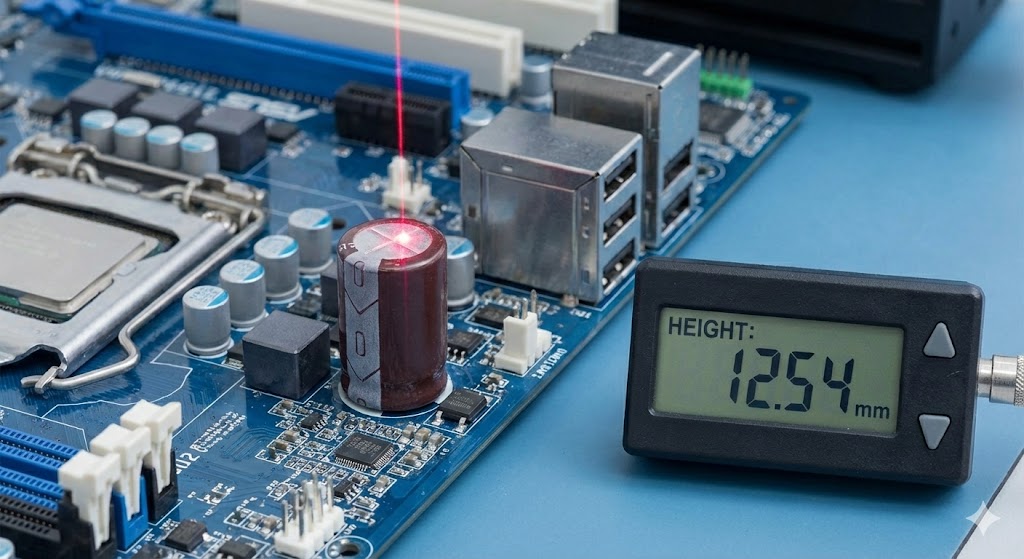
Electrical interference and power irregularities are silent adversaries. Industrial facilities are electrically noisy environments with equipment like variable frequency drives (VFDs), motors, and welding machines generating electromagnetic interference (EMI) and voltage spikes. This noise can disrupt the sensor's low-voltage signal processing, leading to erratic readings or communication errors. Protection starts with proper installation: use shielded cables, ensure all connections are tight, and follow the manufacturer's guidelines for cable routing, keeping sensor wires separate from high-power lines. Employing surge protectors and dedicated, regulated power supplies is crucial to guard against voltage transients and brownouts. For sensors integrated into network systems, using optical isolation or signal conditioners can further enhance immunity to electrical noise.
Extreme temperatures, both high and low, can severely affect laser sensor performance. Excessive heat can cause electronic component drift, reduce laser diode lifespan, and lead to thermal expansion that misaligns optical elements. Conversely, extreme cold can condense moisture, leading to internal fogging or ice formation. It is imperative to select sensors with operating temperature ranges that exceed the expected environmental conditions. For applications near ovens or furnaces, installing a heat shield or using an air-cooling jacket can provide an additional buffer. In cold environments, sensors with built-in heaters can prevent condensation. Always consult the sensor's datasheet for its specified storage and operational temperature limits.
Beyond environmental factors, operational misuse can shorten a sensor's life. A common issue is operating the sensor outside its specified sensing range or on unsuitable surfaces. For example, training a sensor on a highly reflective or perfectly absorbent (black) surface can cause signal saturation or insufficient return, respectively, potentially damaging the receiver. Users must calibrate and configure the sensor correctly for the target material and distance. Implementing regular maintenance schedules is equally vital. This includes periodic visual inspection for physical damage, cleaning lenses with approved materials (like lint-free wipes and optical-grade cleaners), and verifying calibration against a known standard. Logging performance data can help identify gradual degradation before it leads to catastrophic failure.
Finally, consider the role of system-level integration. A laser sensor is rarely a standalone device; it is part of a larger control system. Ensuring compatibility and proper communication protocols (e.g., IO-Link, Ethernet/IP) minimizes integration stress. Many modern sensors offer diagnostic capabilities and predictive maintenance alerts, providing early warnings for issues like lens contamination or declining signal strength. Leveraging these smart features is a proactive step in protection.
In conclusion, protecting laser sensors is a multi-faceted endeavor requiring attention to mechanical, environmental, electrical, and operational factors. By understanding the specific threats in your application and implementing the corresponding protective measures—selecting the right IP rating, ensuring robust mounting, guarding against EMI, managing temperature, and adhering to proper operational procedures—you can maximize sensor uptime, maintain measurement precision, and protect your capital investment. A well-protected sensor is a reliable sensor, forming the bedrock of efficient and safe industrial automation.