In the dynamic landscape of industrial automation and quality control, the advent of high-speed laser sensors has marked a paradigm shift. These sophisticated devices, leveraging the principles of laser triangulation, time-of-flight, or confocal chromatic measurement, deliver unparalleled speed, accuracy, and reliability. Unlike traditional contact or slower optical sensors, they perform non-contact measurements at rates exceeding hundreds of thousands of points per second, making them indispensable for real-time process monitoring.
The core technology often involves emitting a focused laser beam onto a target surface. The reflected or scattered light is then captured by a high-resolution receiver, such as a CMOS or CCD array. Advanced algorithms process this data in microseconds to determine precise parameters like distance, height, thickness, profile, or presence. This capability is critical in high-throughput manufacturing environments, such as automotive assembly lines, semiconductor fabrication, and electronics production, where micron-level tolerances are mandatory.
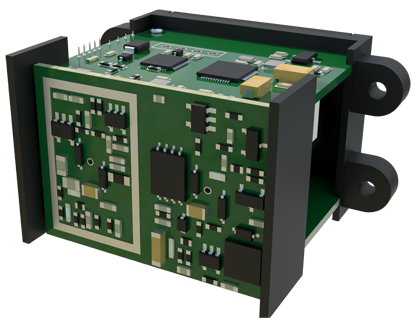
Key advantages of modern high-speed laser sensors include their exceptional resolution, often down to the sub-micron range, and their robustness against environmental interference like ambient light or vibration. Models with integrated processors can perform edge detection, pattern matching, and output direct control signals to PLCs or robotic systems, enabling closed-loop control. For instance, in robotic guidance, these sensors provide real-time 3D coordinate data, allowing robots to adapt their path for precise picking, placing, or welding.
Furthermore, the integration of smart features like IO-Link facilitates predictive maintenance and seamless data integration into Industry 4.0 frameworks. Users can remotely monitor sensor health, adjust parameters, and log measurement trends, minimizing downtime. The non-contact nature also eliminates wear and tear, ensuring long-term stability and reducing maintenance costs compared to mechanical probes.
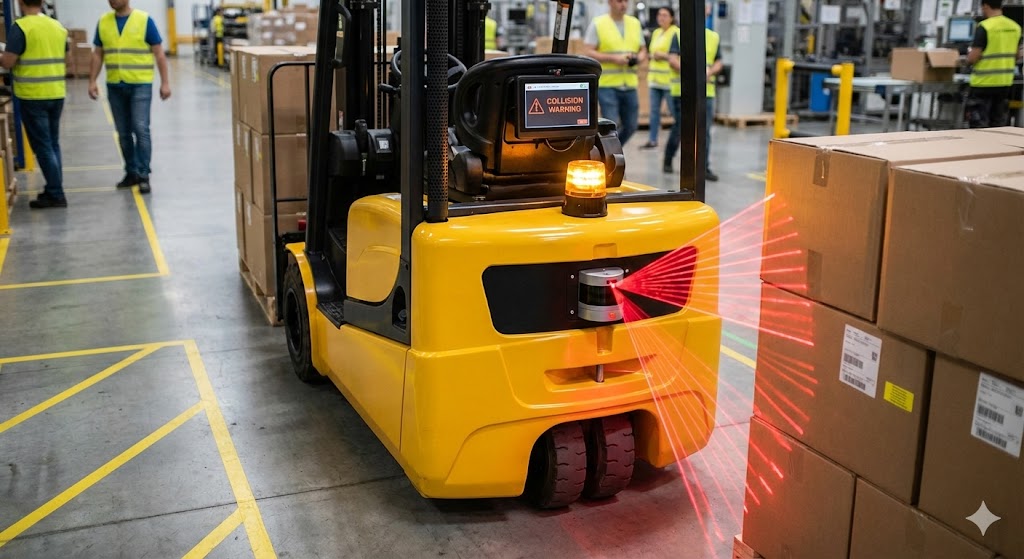
Applications are vast and growing. In the pharmaceutical industry, they verify fill levels in vials at high speed. In metal processing, they inspect surface defects or control roller gaps. In logistics, they rapidly dimension packages for sorting. The evolution towards miniaturization and multi-point sensor arrays (line lasers) now allows for entire surface profiles to be captured in a single scan, revolutionizing 3D inspection.
Selecting the right sensor requires careful consideration of factors such as measurement range, spot size, sampling rate, material properties of the target, and required communication protocols. While the initial investment may be higher than conventional sensors, the return on investment through enhanced quality, reduced waste, and increased production speed is substantial.
In conclusion, high-speed laser sensors are not merely incremental improvements but foundational technologies driving the next wave of industrial precision and efficiency. Their ability to capture vast amounts of precise data at unprecedented speeds empowers smarter, more agile, and more competitive manufacturing ecosystems globally.