In the realm of industrial automation and electronic control systems, proximity sensors play a pivotal role in enabling non-contact detection of objects. Among these, the A2229 proximity sensor stands out as a robust and reliable component designed for demanding applications. This article delves into the technical specifications, operational principles, and practical uses of the A2229, providing insights for engineers and system integrators.
The A2229 is typically an inductive proximity sensor, engineered to detect metallic objects without physical contact. It operates on the principle of electromagnetic induction. The sensor generates an oscillating electromagnetic field from its active face. When a metallic target enters this field, eddy currents are induced in the target, causing a change in the oscillation amplitude or frequency within the sensor's coil. This change is detected by the internal circuitry, which then triggers a switching action—either opening or closing an output circuit. This solid-state switching ensures high reliability, fast response times, and a long operational lifespan, as there are no moving parts to wear out.
Key features of the A2229 sensor often include a defined sensing range, which is the maximum distance at which it can reliably detect a standard target. It is built to withstand harsh industrial environments, commonly featuring a housing rated for IP67 or higher, making it resistant to dust and temporary immersion in water. The sensor is usually designed for DC operation (e.g., 10-30V DC) and provides a digital output, such as a PNP (sourcing) or NPN (sinking) transistor switch. This output can interface directly with programmable logic controllers (PLCs), counters, or other control devices. Its compact form factor allows for easy integration into machinery where space is constrained.
One of the primary advantages of the A2229 is its immunity to environmental factors like dirt, oil, and non-metallic debris. Unlike optical sensors, it is not affected by ambient light or opaque fluids. This makes it exceptionally suitable for dirty or wet conditions prevalent in manufacturing, packaging, and material handling. Common applications include position sensing of metal parts on conveyor belts, end-of-travel detection in actuators, checking for the presence of tools in CNC machines, and counting metallic objects. In automotive assembly lines, for instance, such sensors verify the presence of engine components or door handles.
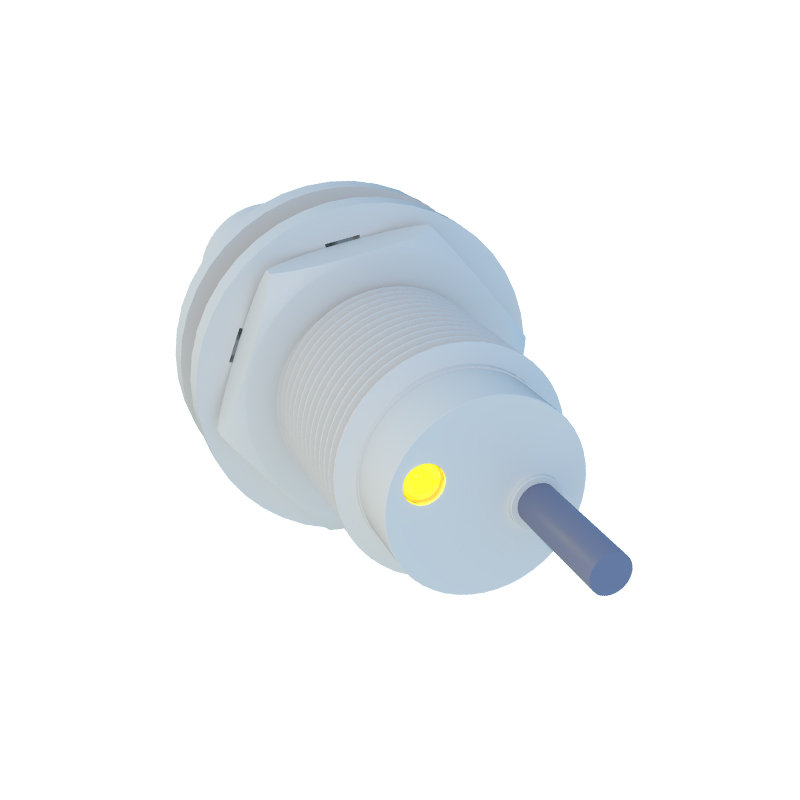
When integrating the A2229 into a system, several considerations are paramount. First, the correct mounting is crucial; metallic surroundings can influence the sensing field, so maintaining the recommended clearance from other metal surfaces is necessary. Second, the choice between shielded (flush-mountable) and unshielded versions affects the sensing characteristics. Shielded sensors can be mounted flush in metal, offering mechanical protection, while unshielded types typically have a longer sensing range but require non-metallic surroundings. Electrical wiring must adhere to the specified voltage and polarity, and output loads should not exceed the sensor's current rating. Incorporating protective devices like surge suppressors may be advisable in circuits with inductive loads to prevent voltage spikes.
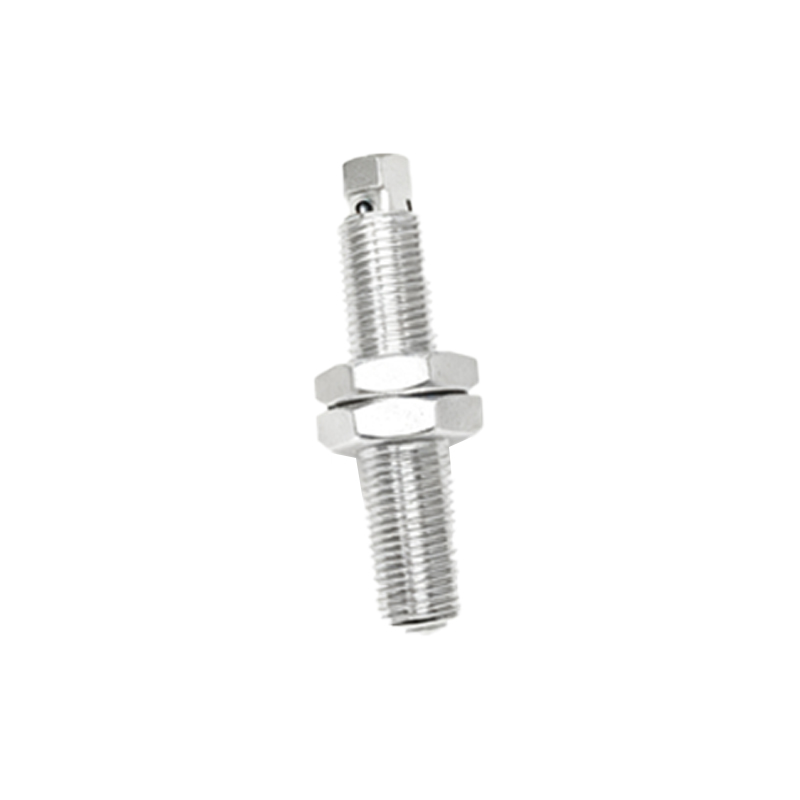
Maintenance of the A2229 is generally minimal due to its solid-state design. However, periodic checks are recommended to ensure the sensing face remains clean from metallic swarf or heavy buildup that could cause false triggering. Verifying the mechanical stability of the mount and the integrity of electrical connections also contributes to long-term reliability.
In summary, the A2229 proximity sensor is a fundamental component for modern industrial automation. Its durability, precision, and versatility in detecting metallic objects make it an indispensable tool for enhancing efficiency, safety, and reliability in automated systems. By understanding its operation and adhering to best practices for installation and maintenance, engineers can leverage its capabilities to optimize a wide array of mechanical and control applications.