In an increasingly automated and interactive world, the ability to detect human presence accurately and reliably is paramount. Off-the-shelf human proximity sensors offer a general solution, but they often fall short when faced with unique environmental conditions, specific form-factor constraints, or highly specialized application requirements. This is where the power of custom human proximity sensor design becomes not just an advantage, but a necessity. Customization transforms a standard component into a seamlessly integrated system element, engineered to perform flawlessly within its intended ecosystem.
The journey toward a custom sensor begins with a deep dive into the application's core requirements. What, precisely, needs to be detected? Is it the simple presence or absence of a person within a zone, or is it the precise measurement of distance, speed, or even gesture? The environment plays a critical role. Will the sensor operate in a controlled indoor setting, or must it withstand extreme temperatures, humidity, dust, or direct sunlight in an outdoor industrial site? Factors like the required detection range, the field of view (wide-angle or narrow beam), and the necessary response time are foundational. For instance, a sensor for a smart home lighting system may prioritize discreet design and low power consumption, while one for industrial safety guarding on a robotic arm demands ultra-high reliability, rugged housing, and immunity to electromagnetic interference.
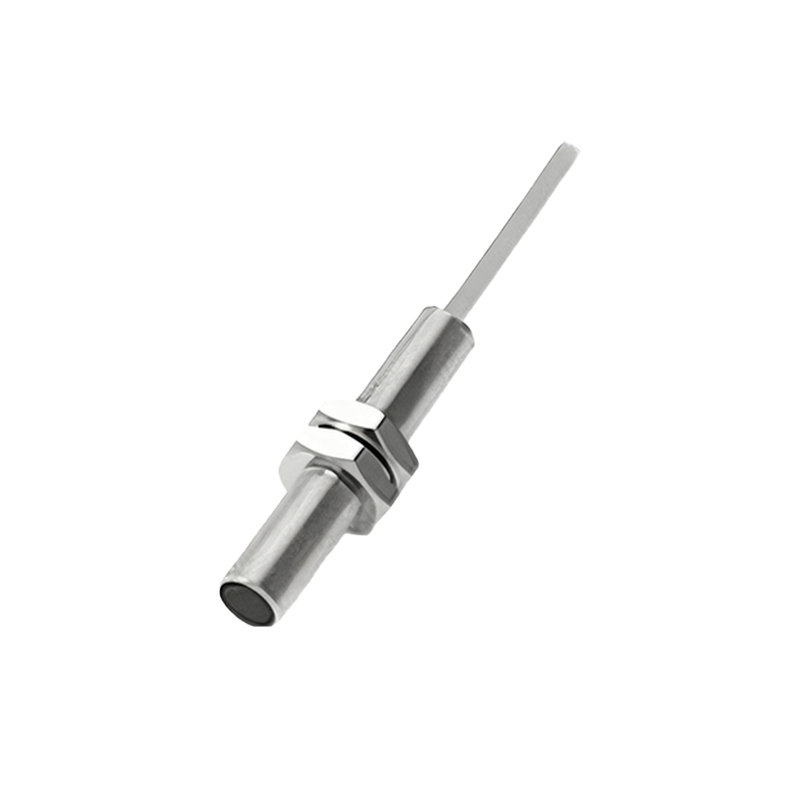
Several core sensing technologies form the basis for most custom solutions, each with its strengths. Passive Infrared (PIR) sensors are cost-effective and excellent for detecting motion based on body heat, but they cannot detect stationary individuals. Microwave and Radar-based sensors can penetrate certain materials and detect subtle motions like breathing, making them suitable for presence detection even when a person is still. Ultrasonic sensors measure distance accurately by reflecting sound waves but can be affected by air turbulence. Capacitive sensing detects changes in an electrostatic field when a conductive object (like a human body) approaches, ideal for touchless interfaces embedded behind non-conductive surfaces like wood or glass. A custom design often involves selecting and potentially hybridizing these technologies to overcome individual limitations.
The physical embodiment of the sensor—its form factor, enclosure, and integration—is a primary arena for customization. Standard sensors come in predefined shapes and sizes. A custom project can engineer a sensor to fit into the sleek profile of a modern appliance, conform to the curved surface of medical equipment, or be embedded directly into architectural elements like walls, floors, or furniture. The housing material can be specified for aesthetic matching (specific colors, textures) or for environmental durability (IP-rated enclosures for water and dust resistance, UV-stable plastics for outdoor use). Connectors, cable lengths, and output signals (digital I/O, analog voltage, PWM, or serial protocols like I2C/UART) are all tailored to plug directly into the host system's mainboard, simplifying installation and reducing overall assembly complexity.
Perhaps the most significant value of a custom sensor lies in its embedded intelligence and software adaptability. Firmware can be developed to implement sophisticated algorithms that filter out false triggers caused by pets, moving machinery, or environmental artifacts like sunlight or heating vents. Sensitivity thresholds can be made adjustable via software commands, allowing a single hardware design to serve multiple product variants. Custom calibration routines can ensure consistent performance across every unit produced. For complex applications like gesture recognition or people counting, the sensor can be equipped with on-board processing to deliver high-level data, reducing the computational load on the main system processor.
The benefits of pursuing a custom route are substantial. It leads to optimized performance, as the sensor is designed for its specific task from the ground up, eliminating compromises. Enhanced reliability is achieved by designing for the exact operating conditions, leading to fewer field failures. In many cases, a well-engineered custom sensor can simplify the broader system architecture, potentially reducing the total part count and assembly steps. While the initial Non-Recurring Engineering (NRE) costs are higher than buying a standard component, the long-term gains in product differentiation, superior user experience, and reduced warranty claims often deliver a compelling return on investment. For product developers aiming to create innovative, robust, and market-leading devices, investing in custom human proximity sensor solutions is a strategic step toward achieving a seamless and intelligent human-machine interface.