In the rapidly evolving landscape of industrial automation and quality control, the demand for ultra-precise, reliable, and robust measurement technologies has never been higher. Among the frontrunners in this technological race are Plasmo laser sensors, a class of non-contact measurement devices that are setting new benchmarks for accuracy and versatility. These sensors leverage advanced laser triangulation principles, often enhanced with proprietary optical designs and signal processing algorithms, to deliver micron-level precision in the most challenging environments.
The core technology behind Plasmo laser sensors involves projecting a focused laser beam onto a target surface. The reflected light is then captured by a high-resolution CMOS or CCD array at a specific angle. By precisely calculating the displacement of the laser spot on the sensor array, the device can determine the exact distance to the target with exceptional speed and accuracy. This fundamental principle allows for the measurement of distance, height, thickness, and even the detection of minute surface defects without any physical contact, thereby eliminating wear and tear and preventing damage to delicate objects.
What sets Plasmo sensors apart is their engineered resilience. Industrial settings are fraught with obstacles such as ambient light interference, vibrations, extreme temperatures, and contaminants like dust, oil, or coolant mist. Plasmo laser sensors are specifically designed to counteract these challenges. They often feature robust, IP67-rated housings that provide protection against water and dust ingress. Sophisticated digital filtering and adaptive algorithms allow them to maintain stable readings even when the target surface has varying colors, textures, or reflectivity—a common headache with standard laser sensors. For instance, the measurement of a shiny metallic surface versus a dark, matte rubber component can be performed with consistent reliability, minimizing calibration downtime.
The applications of Plasmo laser sensors span a vast array of industries. In automotive manufacturing, they are indispensable for inspecting gap dimensions between body panels, measuring the thickness of paint coatings, and verifying the precise placement of components on assembly lines. In the electronics sector, these sensors ensure the coplanarity of semiconductor chips, measure the height of solder paste, and inspect micro-components on printed circuit boards (PCBs). The packaging industry utilizes them to monitor fill levels in bottles and containers, check seal integrity, and control the thickness of film materials. Furthermore, in robotics and logistics, Plasmo sensors provide critical feedback for precise positioning, palletizing, and dimensioning of packages.
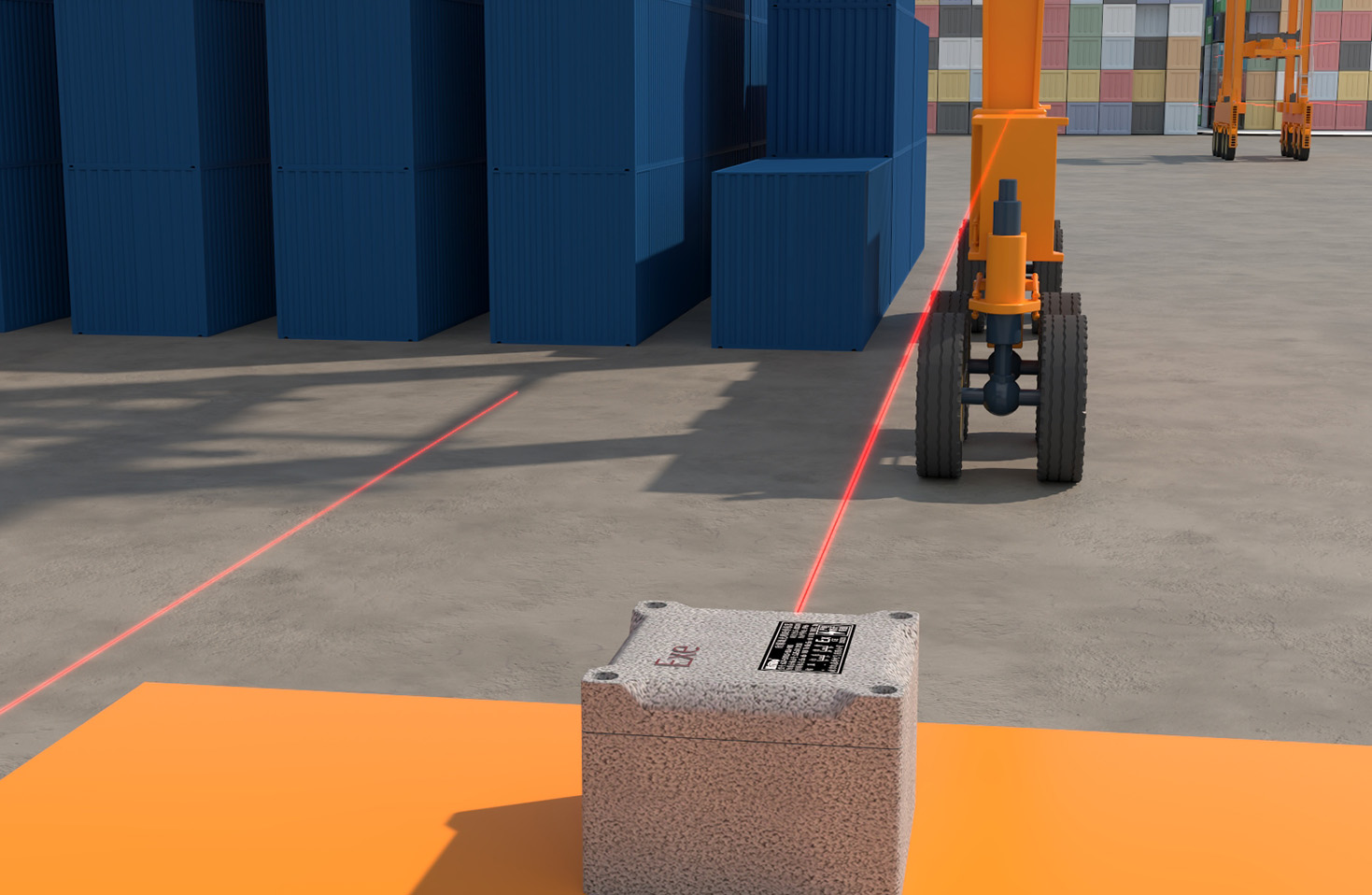
Integration into modern industrial systems is seamless, thanks to standardized digital interfaces such as IO-Link, Ethernet/IP, PROFINET, and analog outputs. This connectivity enables real-time data transmission to Programmable Logic Controllers (PLCs) and Supervisory Control and Data Acquisition (SCADA) systems, forming a crucial link in the Industrial Internet of Things (IIoT) ecosystem. The data gathered can be used for immediate process control, predictive maintenance alerts, and comprehensive quality assurance analytics.

Looking ahead, the trajectory for Plasmo laser sensor technology points toward even greater miniaturization, enhanced measurement ranges, and smarter onboard intelligence. The integration of artificial intelligence for edge computing is on the horizon, allowing sensors to not only capture data but also make preliminary decisions about product quality or process adjustments autonomously. As industries continue to push the boundaries of precision and efficiency, Plasmo laser sensors stand as a pivotal enabling technology, driving innovation and ensuring excellence in manufacturing and beyond. Their role in facilitating high-speed, contactless, and dependable measurement solutions solidifies their status as a cornerstone of advanced industrial automation.