In the rapidly evolving landscape of industrial automation, laser proximity sensors have emerged as indispensable tools for precision detection, measurement, and control. Their ability to provide non-contact, high-accuracy sensing across various materials and environmental conditions makes them a preferred choice for engineers and system integrators. This article delves into the key considerations for selecting laser proximity sensors and offers expert recommendations for diverse industrial applications.
Laser proximity sensors operate on the principle of emitting a focused laser beam towards a target and analyzing the reflected light. The time-of-flight (ToF) or phase-shift measurement techniques are commonly employed to calculate distance with remarkable precision. Unlike traditional inductive or capacitive sensors, laser variants excel in detecting objects regardless of their material composition—be it metal, plastic, glass, or even liquid surfaces. This versatility is crucial in complex production lines where multiple material types are processed.
When evaluating laser proximity sensors, several technical parameters demand attention. First, measurement range is paramount; industrial models typically offer ranges from a few millimeters to several meters. For instance, in packaging machinery, a short-range sensor with a 10mm to 100mm capability might be ideal for detecting small item placement, while logistics automation may require sensors with a 0.1m to 10m range for pallet positioning in warehouses. Resolution, another critical factor, determines the smallest detectable distance change. High-precision assembly lines, such as those in semiconductor manufacturing, often necessitate sensors with micron-level resolution to ensure component alignment accuracy.
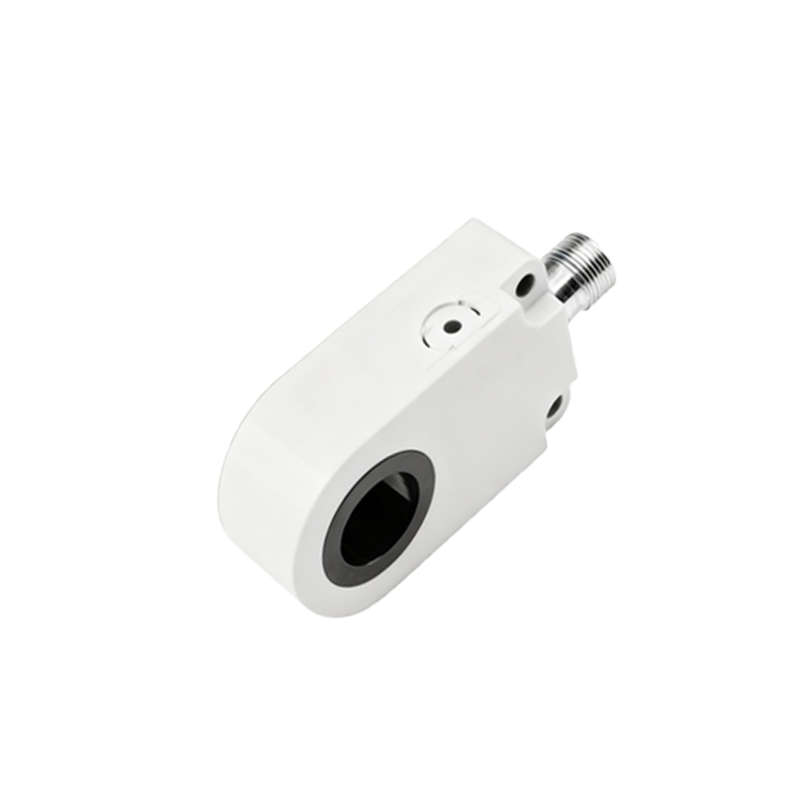
Environmental robustness cannot be overlooked. Industrial settings frequently expose sensors to dust, moisture, vibration, and temperature fluctuations. Look for sensors with an IP67 or higher ingress protection rating for resistance against dust and water jets. Additionally, models with robust housing materials like stainless steel or engineered plastics withstand mechanical stress better. For outdoor applications, such as in agricultural or construction equipment, sensors with extended temperature operating ranges (-40°C to 85°C) and resistance to ambient light interference are essential.
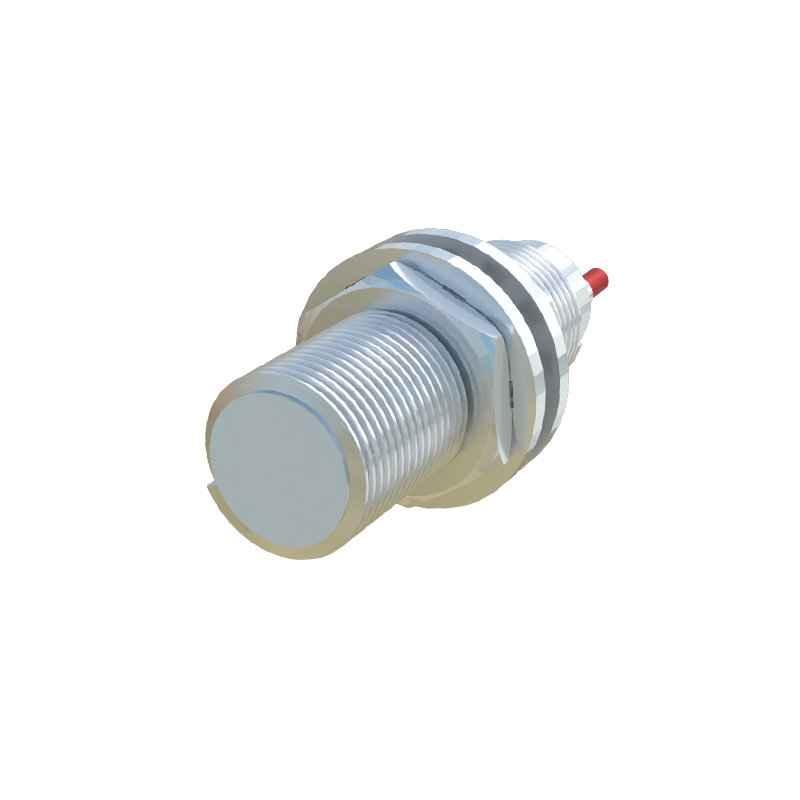
Integration ease is another practical consideration. Modern laser proximity sensors often feature programmable logic, analog outputs (4-20mA or 0-10V), and digital interfaces like IO-Link or Ethernet/IP. These facilitate seamless communication with PLCs and SCADA systems, enabling real-time data acquisition and system adjustments. Some advanced models even incorporate AI-driven diagnostics to predict maintenance needs, reducing downtime.
Based on extensive field experience, here are targeted recommendations for common industrial scenarios:
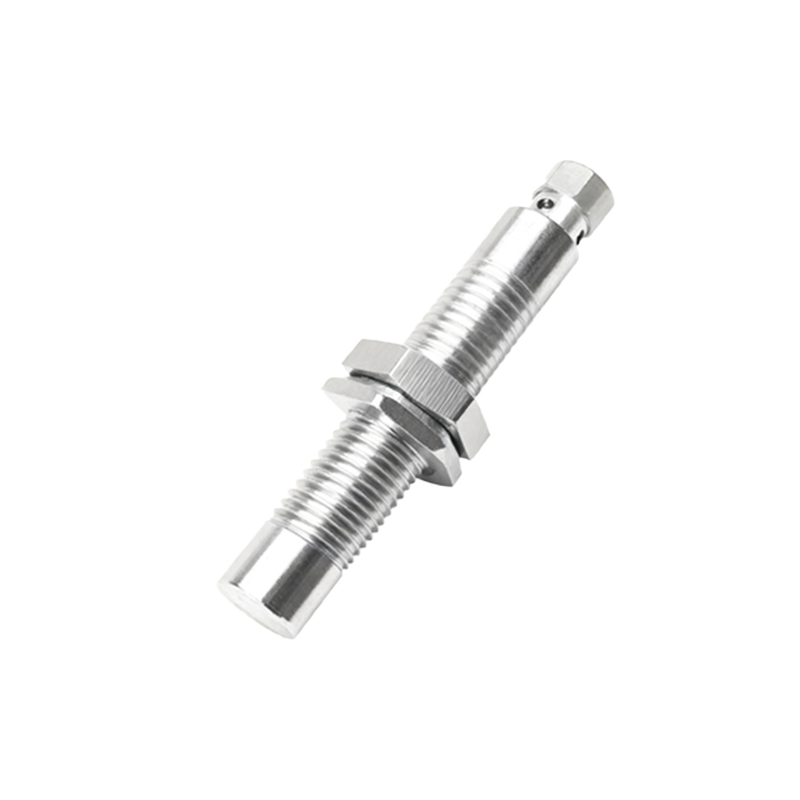
1. High-Speed Manufacturing Lines: For applications requiring rapid detection, such as bottling plants or electronics assembly, consider sensors with response times under 1ms and high sampling rates. Models with background suppression technology effectively ignore irrelevant objects, ensuring reliable operation amidst fast-moving targets.
2. Harsh Environments: In foundries or chemical processing plants, where extreme temperatures and corrosive substances are present, opt for sensors with specialized coatings and hermetic sealing. Laser sensors using robust 650nm or 850nm wavelengths often perform better in smoky or steamy conditions compared to standard visible red lasers.
3. Precision Measurement: For tasks like thickness gauging or robotic arm positioning, focus on sensors with linearity errors below ±0.1% and repeatability within micrometers. Dual-axis alignment features can simplify installation, minimizing calibration efforts.
4. Cost-Sensitive Applications: In bulk material handling or basic object counting, reliable mid-range sensors with adequate accuracy (e.g., ±1mm) and moderate response times offer an optimal balance between performance and budget.
Emerging trends in laser sensing technology include miniaturization, enabling integration into compact machinery, and enhanced connectivity for Industry 4.0 ecosystems. Multi-echo evaluation capabilities, which allow sensors to ignore foreground obstructions like glass or mesh, are becoming standard in advanced models. When planning a sensor deployment, always conduct real-world testing under actual operating conditions to validate performance. Partnering with suppliers who provide comprehensive technical support and customization options can significantly streamline implementation.
Ultimately, the ideal laser proximity sensor aligns with specific operational demands—whether prioritizing speed, accuracy, durability, or connectivity. By meticulously assessing application requirements against sensor specifications, engineers can deploy solutions that enhance efficiency, safety, and productivity across industrial operations.