In the rapidly evolving landscape of industrial automation and smart technology, proximity sensors have become indispensable components. Their ability to detect the presence or absence of objects without physical contact is critical for safety, efficiency, and precision in countless applications, from automotive assembly lines to consumer electronics. To ensure the reliability, interoperability, and safety of these devices, national standards play a pivotal role. This guide delves into the framework and significance of national standards for proximity sensors, focusing on key aspects that manufacturers, integrators, and end-users must understand.
National standards for proximity sensors are established to create a unified set of technical specifications, testing methods, and performance criteria. These standards aim to eliminate technical barriers to trade, enhance product quality, and ensure user safety. While specific standard numbers and details can vary by country or region (such as GB standards in China, IEC international standards, or UL standards in North America), their core objectives remain consistent: defining electrical characteristics, environmental durability, sensing ranges, output types, and housing specifications.
A primary focus of these standards is electrical safety and electromagnetic compatibility (EMC). Standards rigorously define requirements for insulation resistance, dielectric strength, and protection against overvoltage. This ensures that sensors operate safely even in harsh industrial environments with significant electrical noise or voltage fluctuations. EMC regulations are particularly crucial, as they mandate that a sensor neither emits excessive electromagnetic interference nor is unduly susceptible to it, preventing malfunctions in sensitive electronic systems.
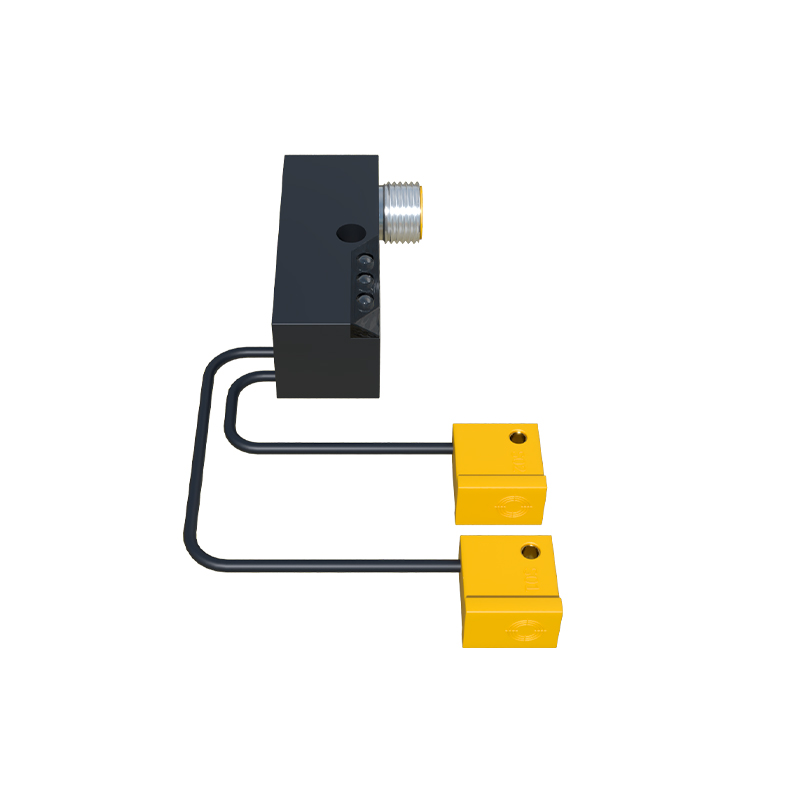
Performance parameters are another critical area standardized. This includes the nominal sensing distance, often defined under specific conditions of target material, size, and temperature. Repeat accuracy, hysteresis (the difference between the switch-on and switch-off points), and response time are quantified. Standardized testing methods for these parameters allow for fair and objective comparison between products from different manufacturers. For instance, a standard will specify the exact size and material (typically mild steel) of the test target used to measure the sensing distance, removing variables that could skew results.
Environmental durability is extensively covered. Standards specify testing procedures for resistance to shock, vibration, temperature extremes, humidity, and ingress protection (IP ratings). An IP67 rating, for example, standardized under IEC 60529, guarantees that a sensor is dust-tight and can withstand temporary immersion in water. This allows engineers to select sensors with confidence for applications in washdown areas, outdoor settings, or other challenging conditions.
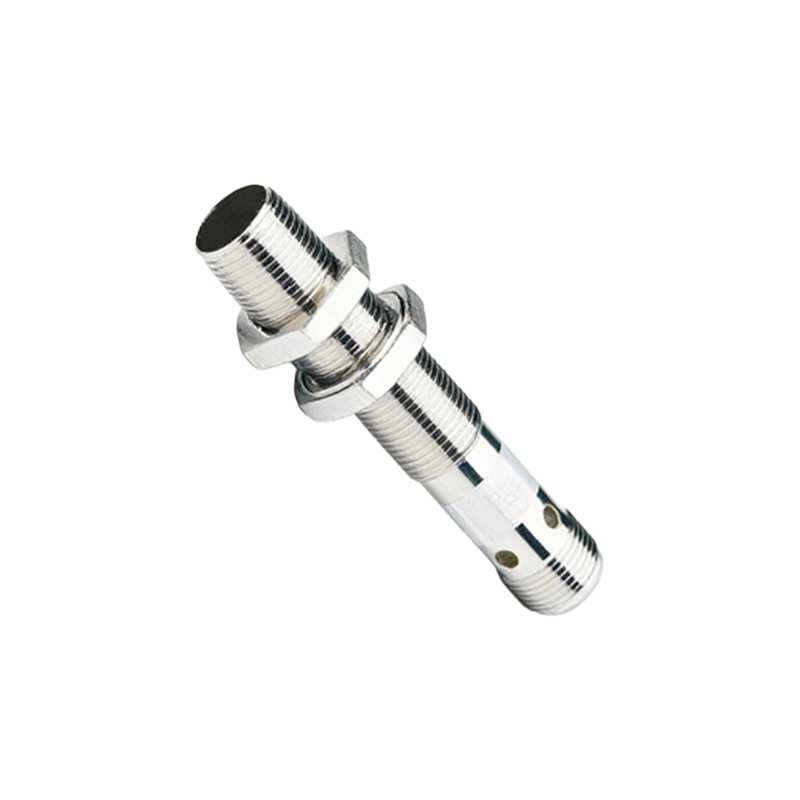
The standardization of output configurations and wiring interfaces is vital for system integration. Standards help categorize sensors by their output type (e.g., PNP, NPN, analog, IO-Link) and define their electrical behavior. They also standardize housing shapes, mounting dimensions, and connector types for certain sensor families. This dimensional interoperability simplifies mechanical design, inventory management, and replacement procedures in the field.
For manufacturers, compliance with national standards is often not optional but a mandatory requirement for market access. It involves a rigorous process of design adherence, prototype testing in accredited laboratories, and ongoing production audits. Certification marks from recognized bodies provide tangible proof of this compliance, building trust with customers. For system integrators and end-users, specifying sensors that conform to relevant national standards is a risk-mitigation strategy. It reduces compatibility issues, minimizes downtime, and ensures a predictable level of performance and safety over the product's lifecycle.
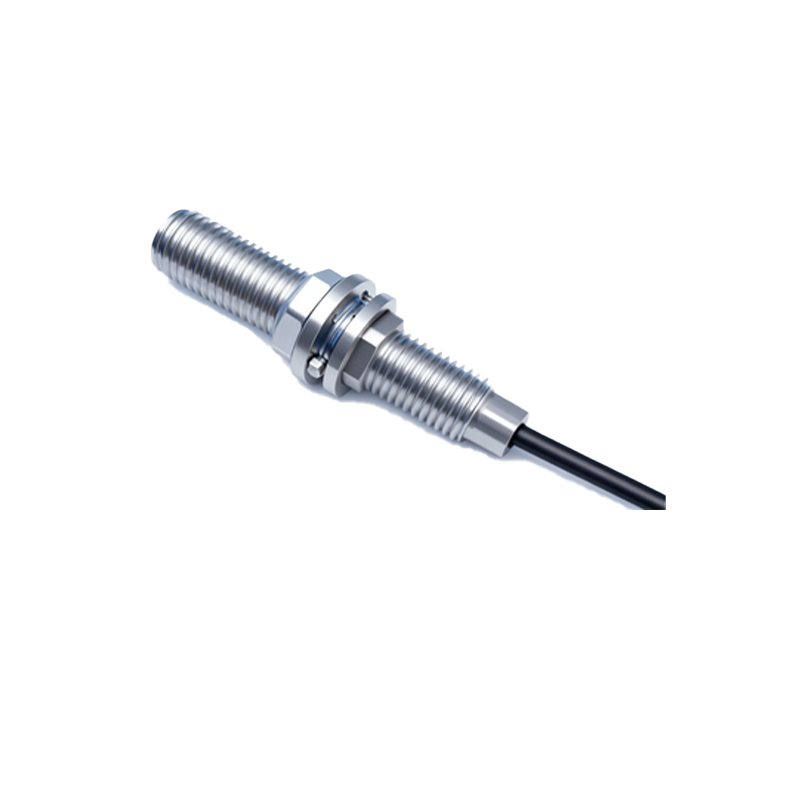
Looking ahead, national standards continue to evolve alongside technological advancements. The integration of smart features, wireless connectivity, and enhanced diagnostics into proximity sensors is prompting updates to existing standards and the development of new ones. These updates ensure that standards remain relevant, addressing cybersecurity concerns for networked sensors and defining data exchange protocols for Industry 4.0 applications.
In conclusion, national standards for proximity sensors form the essential backbone of quality and reliability in modern industrial systems. They translate complex engineering requirements into clear, measurable benchmarks. By fostering a common language of performance and safety, these standards empower innovation while providing a stable foundation upon which efficient and safe automated systems are built globally. Understanding and adhering to the appropriate standards is a fundamental practice for anyone involved in the specification, design, or application of these critical sensing devices.