Laser displacement sensors are pivotal components in modern industrial automation, offering unparalleled precision for non-contact measurement. These devices operate on the principle of triangulation or time-of-flight, emitting a focused laser beam onto a target surface. The reflected light is captured by a receiving element, such as a CCD or PSD, and the displacement is calculated based on the beam's angle or the time delay. This technology enables high-speed, high-accuracy measurements critical for quality control, robotics, and assembly line monitoring.
A key advantage of laser sensors is their ability to measure a vast range of materials, including metals, plastics, glass, and even liquids, with sub-micron resolution. Unlike contact probes, they eliminate mechanical wear and do not influence delicate or moving targets. Common industrial applications include thickness gauging, vibration analysis, part presence detection, and profile scanning. For instance, in automotive manufacturing, laser sensors ensure precise gap and flush measurements between body panels. In electronics, they verify component coplanarity and solder paste height.
Selecting the appropriate laser displacement sensor requires careful consideration of several parameters. Measurement range, spot size, linearity, and sampling rate must align with the application's demands. Environmental factors like ambient light, temperature fluctuations, and target surface properties (color, reflectivity, texture) significantly impact performance. Modern sensors often integrate advanced features such as analog/digital outputs, programmable logic, and robust housings with IP67 ratings for harsh conditions.
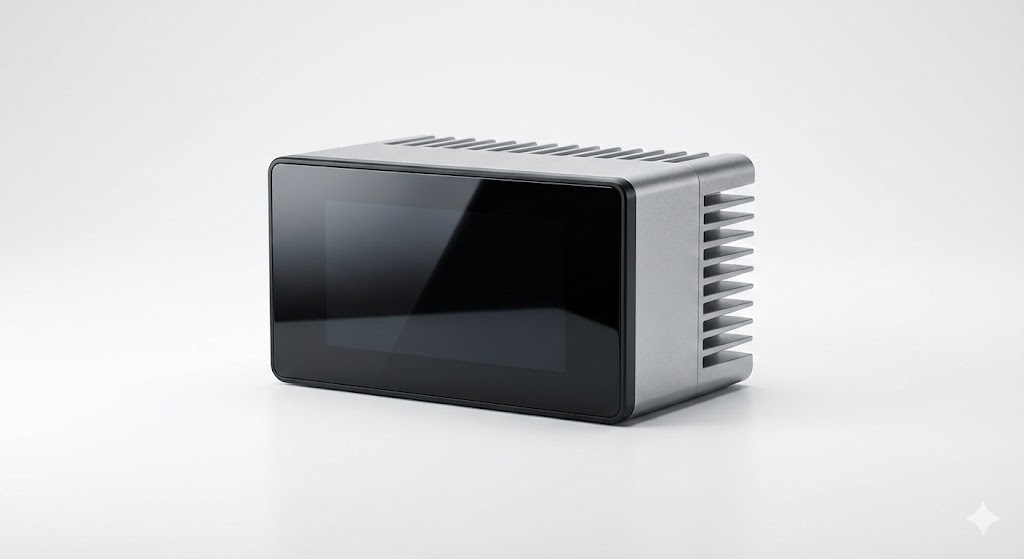
The integration of these sensors with PLCs, SCADA systems, and industrial networks like EtherCAT or PROFINET facilitates real-time data acquisition and process control. This connectivity is essential for Industry 4.0 and smart factory initiatives, where sensor data drives predictive maintenance and adaptive manufacturing.
Despite their robustness, laser sensors face challenges with highly reflective, transparent, or absorptive surfaces. Techniques like using diffuse reflection models, applying surface treatments, or employing sensors with automatic gain control can mitigate these issues. Ongoing advancements in laser diode technology, CMOS imaging, and embedded signal processing continue to enhance measurement speed, accuracy, and reliability.
In conclusion, laser displacement sensors are indispensable tools for precision metrology in industrial automation. Their non-contact nature, high speed, and adaptability make them vital for enhancing product quality, optimizing processes, and enabling advanced automation systems. Engineers must thoroughly evaluate application requirements to leverage their full potential, ensuring seamless integration into complex production environments.