In the realm of industrial automation and machine safety, proximity sensors are the silent sentinels. Their core function—detecting the presence or absence of an object without physical contact—is deceptively simple. Yet, the underlying principles vary significantly, leading to a critical question for engineers and system designers: which proximity sensor technology truly offers superior performance? The answer is not monolithic; it hinges on the specific application requirements, including target material, sensing distance, environmental conditions, and cost constraints. This analysis delves into the strengths and limitations of the dominant technologies.
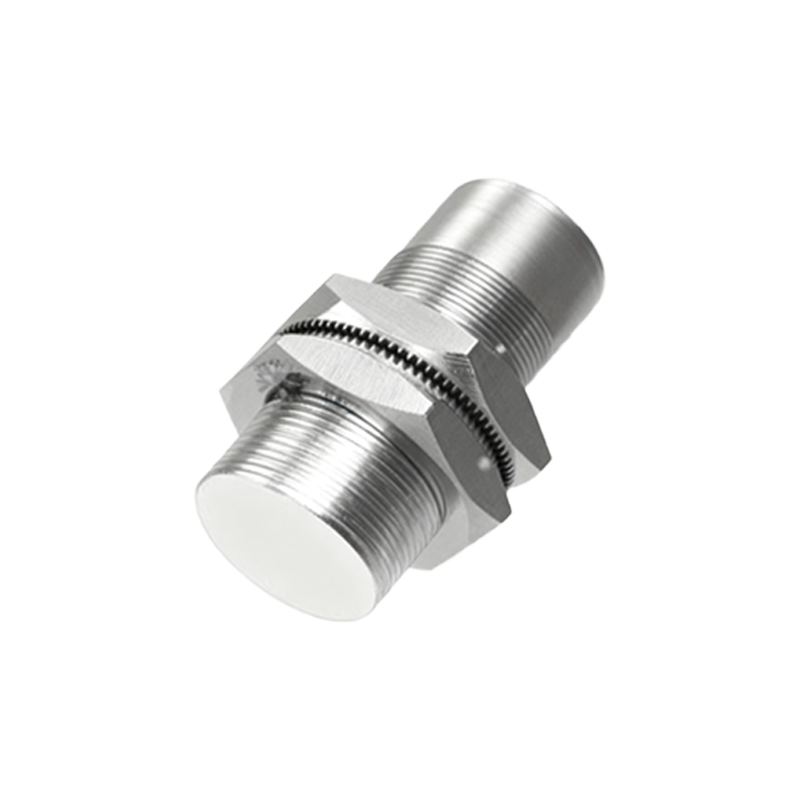
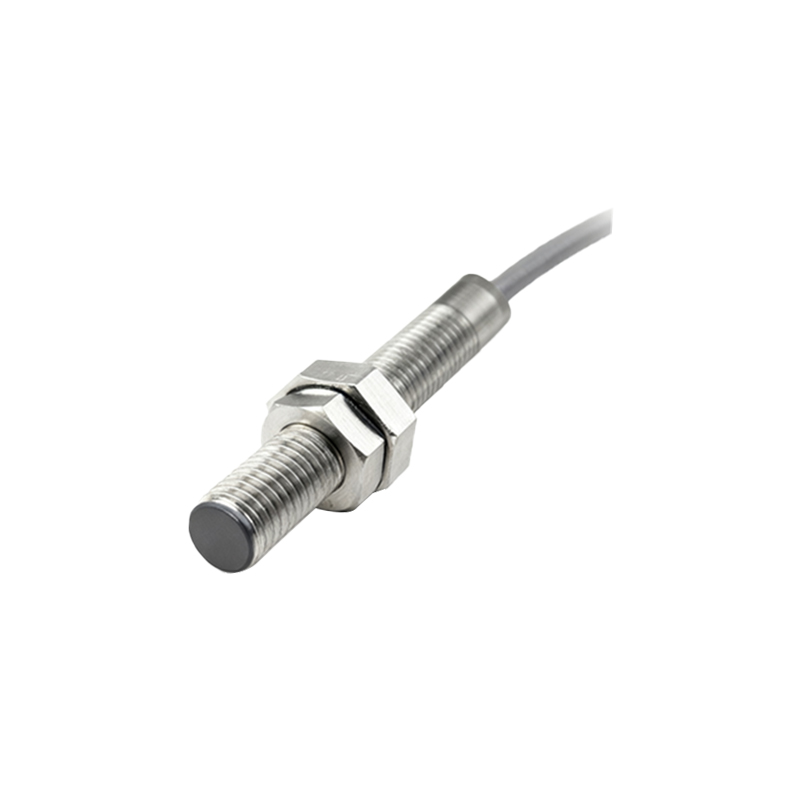
Inductive proximity sensors are the undisputed champions for detecting metallic objects. Operating on the principle of electromagnetic induction, they generate an oscillating electromagnetic field. When a conductive metal target enters this field, eddy currents are induced within the target, which in turn dampens the sensor's oscillation. This change is detected and triggers a solid-state output. Their robustness is legendary—immune to dust, dirt, oil, and water (often rated IP67 or higher), making them ideal for harsh manufacturing environments like machining centers, stamping presses, and automotive assembly lines. Sensing ranges are typically limited to a few tens of millimeters, and they are inherently blind to non-metallic materials. For ferrous metals like steel, the sensing distance is maximum; for non-ferrous metals like aluminum or copper, it is reduced, a factor that must be carefully calibrated.
Capacitive proximity sensors, in contrast, can detect both metallic and non-metallic materials—liquids, plastics, glass, wood, and granules. They function by generating an electrostatic field. Any object with a dielectric constant different from air (which is nearly everything) will alter the capacitance of the sensor's circuit, triggering detection. This versatility makes them perfect for applications like level detection in plastic or glass tanks, monitoring paper or wood in processing lines, or detecting filled liquid containers. However, this sensitivity is a double-edged sword. They can be influenced by environmental factors like humidity or condensation, and may require careful tuning to ignore non-target materials. Their sensing range is generally shorter than inductive sensors for metals.
Ultrasonic sensors operate on a time-of-flight principle, emitting high-frequency sound pulses and measuring the time for the echo to return. They excel at measuring distance and detecting objects of virtually any material, regardless of color, transparency, or surface texture. This makes them powerful for tasks like precise positioning, bulk level sensing in silos, or detecting clear glass bottles on a conveyor. Their key advantage is a long sensing range, often up to several meters. The trade-offs include a slower response time compared to inductive or capacitive sensors, and potential interference from factors like air turbulence, temperature gradients, or highly absorbent surfaces like foam.
Photoelectric sensors, using modulated light beams (visible, infrared, or laser), offer the longest standard sensing ranges and fastest response times. They come in several configurations: through-beam (separate emitter and receiver) for maximum range and reliability; retro-reflective (using a reflector); and diffuse reflective (sensing light bounced directly from the target). They are superb for detecting small objects, seeing color contrasts, or working over long distances on packaging lines. Their primary weakness is susceptibility to environmental contaminants like heavy dust, fog, or steam, which can scatter or block the light beam. They also struggle with highly reflective or transparent targets without specialized models.
Finally, magnetic sensors, specifically reed switches or Hall-effect sensors, are dedicated to detecting permanent magnets. They are incredibly simple, reliable, and low-power, commonly used for door/window position sensing in safety interlocks or detecting cylinder piston position in pneumatic systems. Their application is niche but critical where other sensors would fail.
So, which principle is strongest? For rugged, high-speed, repeatable detection of metals in dirty environments, inductive sensors are unparalleled. For material versatility in cleaner settings, capacitive sensors lead. For long-range, non-contact measurement of diverse materials, ultrasonic is superior. For extreme speed and long-range detection where the medium is clear, photoelectric sensors dominate. The "best" technology is the one most precisely matched to the application's specific parameters. A thorough evaluation of the target, environment, required precision, and cost will always point the expert engineer to the optimal choice. There is no universal king, only the right tool for the job.