Proximity switch sensors, particularly those configured in ring or cylindrical forms, are fundamental components in modern industrial automation. These sensors operate on the principle of detecting the presence or absence of a target object without physical contact, typically using electromagnetic fields, capacitive changes, or ultrasonic signals. A ring-shaped proximity sensor, often visualized in technical diagrams and installation guides, is designed with a central aperture, allowing objects to pass through its detection zone. This configuration is especially prevalent in applications involving continuous material flow, such as in packaging lines, assembly systems, and conveyor belt monitoring.
The ring image of a proximity sensor is not merely an illustrative graphic; it conveys critical technical specifications. The inner diameter of the ring determines the maximum size of objects that can pass through, while the sensor's sensing range defines how close an object must be to trigger a detection event. Engineers analyzing these images must consider factors like the sensor's nominal sensing distance, which can be influenced by the target material—ferrous metals are typically detected at greater ranges by inductive sensors compared to non-ferrous metals or plastics. The housing material of the ring, often constructed from stainless steel, nickel-plated brass, or PBT plastic, is also depicted, indicating environmental robustness against factors like coolant ingress, metal shavings, or extreme temperatures.
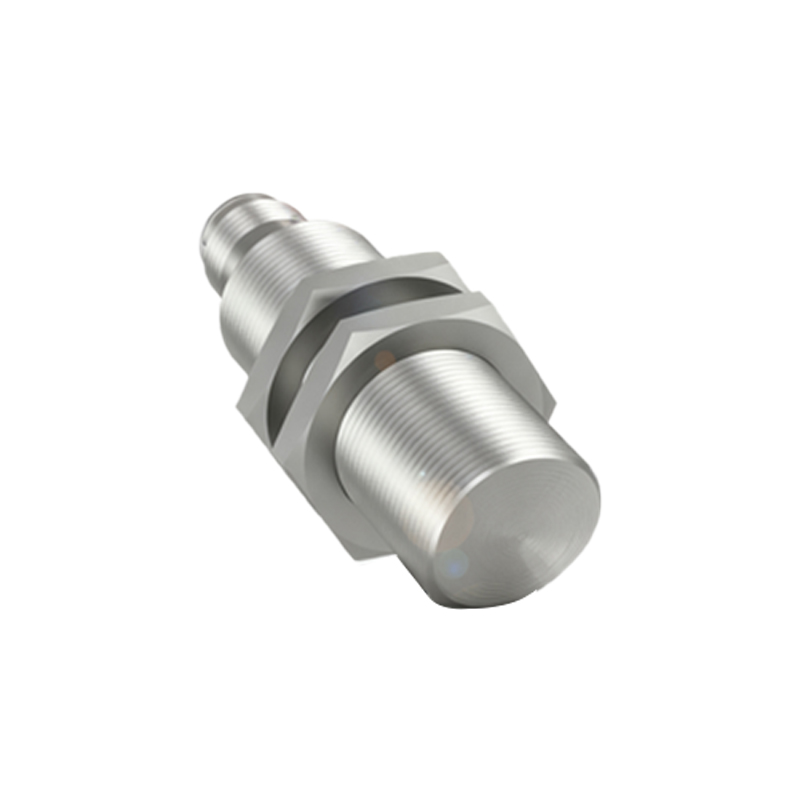
In practical deployment, ring-type proximity sensors are integral to precision tasks. For instance, in bottling plants, a ring sensor encircling a conveyor can count bottles as they pass, ensuring accurate fill levels and cap placement. Any disruption or misalignment triggers an immediate output signal, often a digital pulse or a change in relay state, which can halt machinery or alert operators. The electrical output configurations, such as NPN (sinking) or PNP (sourcing), and interface options like IO-Link for digital communication, are typically detailed alongside ring images in datasheets. These specifications ensure compatibility with programmable logic controllers (PLCs) and other control systems.
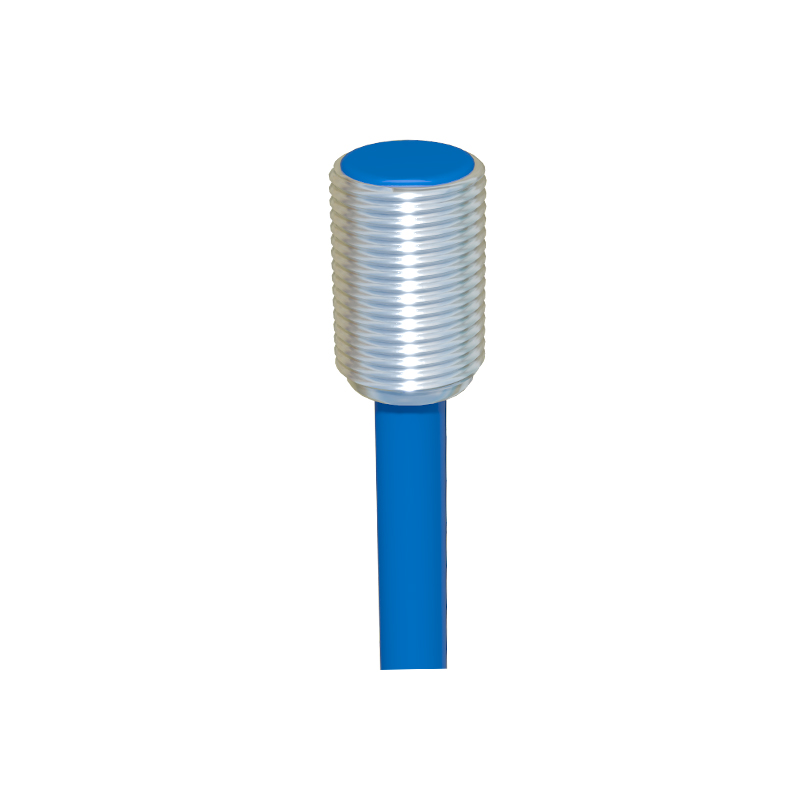
Installation and alignment are paramount for optimal performance. Ring sensors require precise mounting to avoid false triggers from nearby metallic structures or vibrational interference. Technical manuals emphasize maintaining a clearance zone around the sensor, free from other metals, as depicted in installation diagrams. Additionally, certain ring sensors incorporate built-in indicators, like LED lights, which provide visual confirmation of detection status—a feature often highlighted in product images.
Advancements in sensor technology have enhanced ring-type proximity switches with features like adjustable sensitivity, temperature compensation, and enhanced noise immunity. These improvements allow for reliable operation in challenging environments, such as near welding stations or high-vibration machinery. When selecting a ring sensor, engineers must cross-reference application requirements with the sensor's rated parameters, including switching frequency, voltage range, and protection class (e.g., IP67 for dust and water resistance).
Ultimately, the ring image serves as a concise visual reference for system integrators, encapsulating design intent and functional capabilities. By interpreting these images accurately, professionals can ensure seamless integration, reduce downtime, and maintain high efficiency in automated processes. As industries increasingly adopt smart manufacturing principles, the role of precise, reliable proximity sensing—symbolized by the iconic ring design—continues to expand, driving productivity and safety across sectors.