In the rapidly evolving landscape of industrial automation and smart manufacturing, proximity sensors have become indispensable components, driving efficiency, safety, and innovation. As demand surges for these critical devices—from inductive and capacitive to ultrasonic and photoelectric types—the need for skilled professionals in their design, application, and maintenance has never been greater. This article explores the current recruitment landscape for proximity sensor roles, highlighting key opportunities and how to connect with leading companies via recruitment calls.
The global market for proximity sensors is projected to grow significantly, fueled by advancements in IoT, robotics, and automotive systems. Companies are actively seeking engineers, technicians, and specialists who can contribute to R&D, quality assurance, and field support. A recruitment call for proximity sensor positions typically focuses on candidates with expertise in sensor technology, circuit design, programming for embedded systems, and hands-on experience with industrial protocols like IO-Link or PROFINET. Strong problem-solving skills and familiarity with industry standards (e.g., IEC 60947) are often emphasized.
When preparing for a recruitment call in this niche, candidates should highlight practical experience with sensor integration, calibration, and troubleshooting in real-world environments. For instance, discussing projects involving harsh conditions or high-precision applications can set you apart. Employers value professionals who understand the full lifecycle of proximity sensors, from prototyping to deployment. Additionally, soft skills like communication and teamwork are crucial, as these roles often involve cross-departmental collaboration.
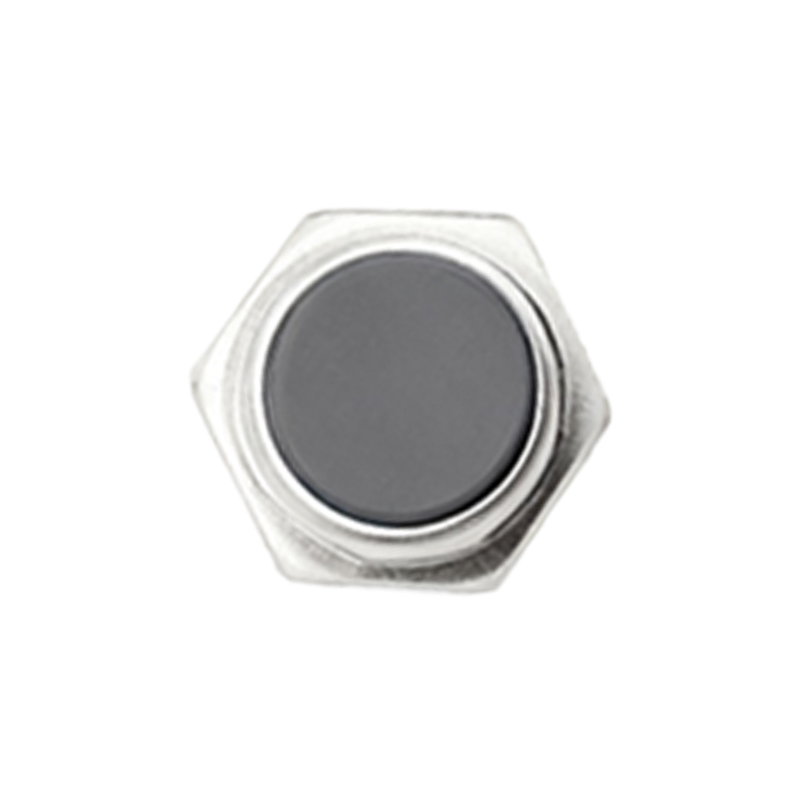
On the employer side, recruitment calls serve as a vital tool to assess technical proficiency and cultural fit. Companies such as Siemens, Omron, and Balluff frequently use phone screenings to identify talent for roles in manufacturing, automotive, and aerospace sectors. These calls may include technical questions about sensor selection for specific materials or environments, as well as behavioral scenarios to gauge adaptability. To attract top talent, recruiters emphasize competitive salaries, ongoing training, and opportunities to work on cutting-edge projects like autonomous vehicles or smart factories.
For job seekers, responding to a proximity sensor recruitment call requires preparation. Research the company’s product portfolio and recent innovations—this shows initiative and alignment with their goals. Be ready to discuss your background concisely, using examples that demonstrate impact, such as reducing downtime through sensor optimization or enhancing detection accuracy. Networking through industry forums and LinkedIn can also lead to referrals, making recruitment calls more effective.
In conclusion, the proximity sensor industry offers dynamic career paths for those passionate about technology and innovation. Whether you’re an experienced engineer or a recent graduate, mastering the recruitment call process can open doors to rewarding roles. Stay updated on trends like miniaturization and wireless sensors to remain competitive. By bridging talent with technological needs, these recruitment efforts not only fill positions but also drive the future of automation forward.