In the realm of industrial automation, the selection and application of large-scale proximity sensors are critical for ensuring operational efficiency, safety, and reliability. These sensors, designed to detect the presence or absence of objects without physical contact, have evolved significantly, offering a wide range of models tailored to diverse industrial environments. This article delves into the key specifications, operational principles, and best practices for deploying large-scale proximity sensors, providing engineers and technical professionals with essential insights for optimal integration.
Proximity sensors function based on various technologies, with inductive, capacitive, and photoelectric types being the most prevalent in large-scale applications. Inductive sensors are ideal for detecting metallic objects, utilizing electromagnetic fields to sense ferrous and non-ferrous materials. They are commonly employed in manufacturing lines for tasks such as part counting, position verification, and machine safety. Models like the InduProx Series offer high switching frequencies and robust housing, making them suitable for harsh conditions involving dust, moisture, or temperature extremes. Key parameters to consider include sensing range, which can extend up to 60 mm for large-scale models, response time often under 1 ms, and output configurations (e.g., PNP/NPN or analog signals).
Capacitive proximity sensors, on the other hand, detect both metallic and non-metallic materials by measuring changes in capacitance. This makes them versatile for applications involving liquids, plastics, or granular substances. In industries like food processing or packaging, models such as the CapSense XL provide reliable detection through containers or walls, with sensing distances adjustable up to 40 mm. Engineers must account for environmental factors like humidity and material dielectric constants when selecting these sensors to avoid false triggers. Additionally, shielded and unshielded variants offer flexibility in installation, with shielded types allowing flush mounting in metal surfaces.
Photoelectric sensors use light beams to detect objects, offering long-range capabilities ideal for large-scale setups. Through-beam, retro-reflective, and diffuse reflection models cater to different needs. For instance, through-beam sensors can achieve ranges exceeding 100 meters, making them perfect for conveyor belt monitoring or warehouse automation. The PhotoBeam Pro Series exemplifies advanced features like background suppression and programmable logic, enhancing accuracy in complex environments. When deploying photoelectric sensors, considerations include ambient light interference, lens cleanliness, and alignment precision to maintain consistent performance.
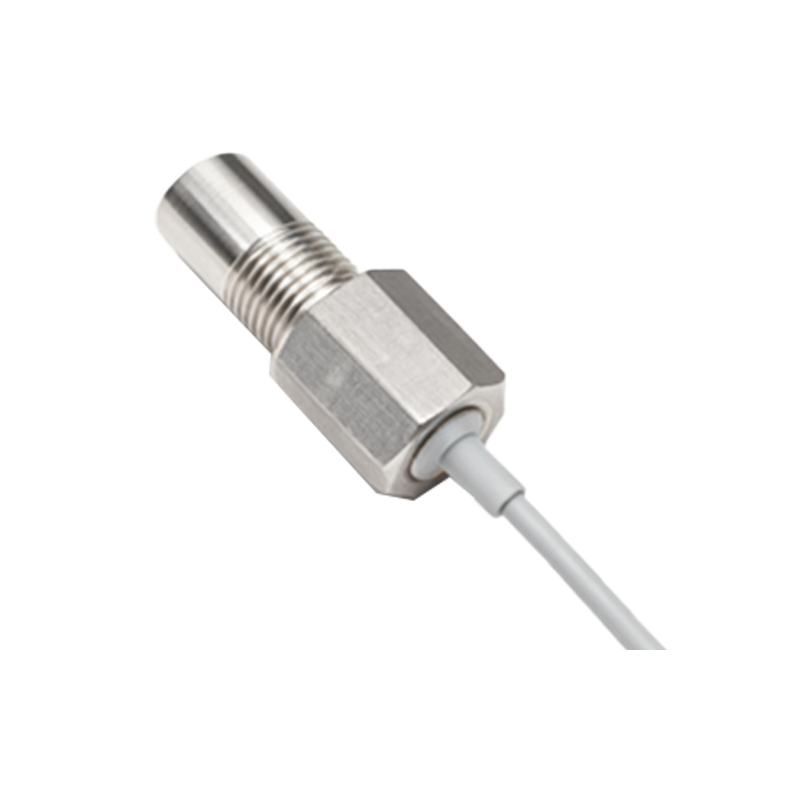
The integration of large-scale proximity sensors into industrial systems requires meticulous planning. Wiring and connectivity are paramount; most models support standard interfaces like IO-Link or Ethernet/IP for seamless communication with PLCs (Programmable Logic Controllers). Power supply requirements typically range from 10-30 V DC, with attention to voltage fluctuations to prevent sensor damage. Mounting configurations should account for vibration and mechanical stress, utilizing brackets or enclosures rated for IP67 or higher for durability. Regular maintenance, including calibration and environmental monitoring, ensures longevity and reduces downtime.
Emerging trends in proximity sensor technology focus on smart capabilities and IoT (Internet of Things) integration. Modern sensors now embed diagnostics, such as condition monitoring and predictive maintenance alerts, transmitted via wireless protocols. For example, the SmartProx IoT Series enables real-time data analytics, allowing engineers to optimize processes and preempt failures. As Industry 4.0 advances, the demand for interoperable, energy-efficient sensors will grow, driving innovation in miniaturization and multi-functional designs.
In conclusion, selecting the right large-scale proximity sensor model hinges on understanding application-specific requirements, environmental challenges, and technological advancements. By evaluating factors like sensing technology, range, durability, and connectivity, engineers can enhance automation systems' performance and reliability. Continuous learning about new models and standards is essential for staying competitive in the evolving industrial landscape.