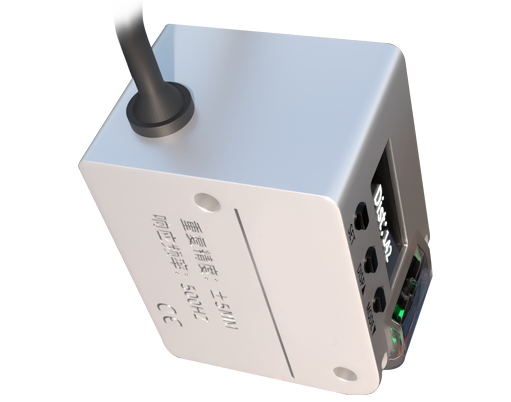
In the rapidly evolving landscape of industrial automation and quality control, 3D laser profilometry sensors have emerged as a cornerstone technology. These sophisticated devices project a laser line onto a target surface and use a camera or detector array to capture the deformation of that line. By analyzing this distortion with triangulation principles, they generate highly accurate, three-dimensional profiles of objects in real-time. Unlike traditional 2D vision systems, 3D laser profilers capture depth information, enabling a comprehensive understanding of an object's geometry, surface defects, and dimensional accuracy. This capability is revolutionizing processes across diverse sectors, from high-precision manufacturing to logistics and beyond.
One of the most prominent applications is in automated inspection and quality assurance. In automotive manufacturing, for instance, these sensors are deployed to perform 100% inline inspection of critical components. They can measure the gap and flush between car body panels, such as doors and hoods, with micron-level precision, ensuring a perfect fit and finish that meets stringent quality standards. Similarly, in electronics assembly, they verify the coplanarity of Ball Grid Array (BGA) solder balls, the presence and height of components, and detect soldering defects like bridging or insufficient solder. This non-contact inspection prevents damage to delicate parts and significantly reduces scrap rates and costly rework.
Robotic guidance represents another transformative application. 3D laser profilers mounted on robotic arms provide "eyes" for robots, allowing them to adapt to variable part presentations. In bin picking applications, where parts are randomly piled in a container, the sensor scans the bin, identifies individual components, and determines their precise 3D position and orientation. This data guides the robot to successfully grasp and place the part, solving a long-standing challenge in flexible automation. Furthermore, in welding applications, these sensors are used for seam tracking. They scan the joint before and during the weld, providing real-time path correction to the welding robot, which ensures consistent weld quality even with part variations or thermal distortion.
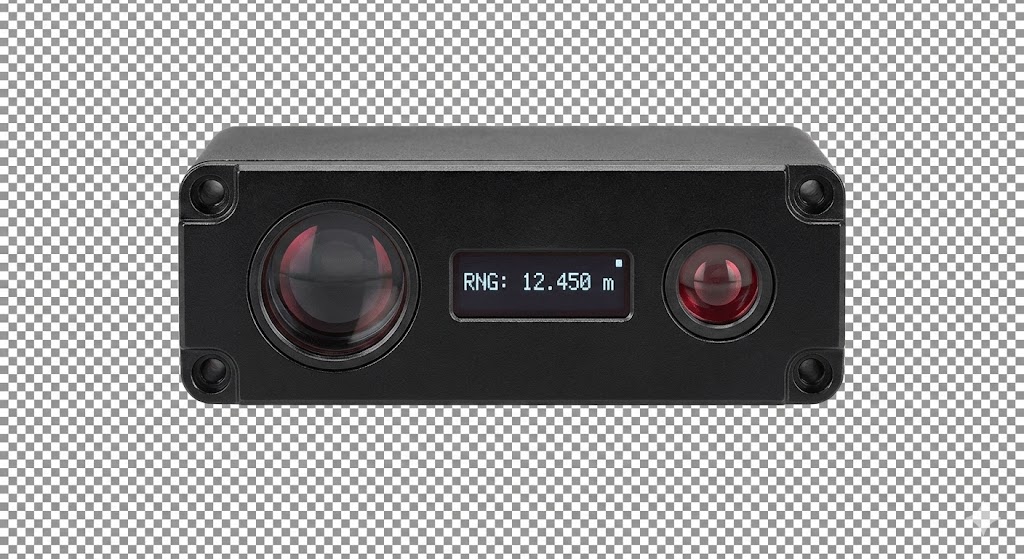
The logistics and parcel handling industry heavily relies on 3D laser profiling for dimensioning and volume scanning. Stationary or mobile sensor portals quickly capture the length, width, and height of packages on a conveyor belt. This data is crucial for optimizing storage space, calculating shipping costs accurately, and automating sortation systems. The sensors can handle a wide variety of package sizes, shapes, and surface types (including reflective plastic film), providing reliable data that 2D systems often miss. This leads to more efficient warehouse operations and reduced logistical errors.
In the realm of additive manufacturing (3D printing), 3D laser profilometry is instrumental for in-process monitoring and post-build validation. During a print, sensors can monitor the deposition of each layer, detecting anomalies like warping, delamination, or deviations from the digital model. This allows for real-time process correction or early failure detection, saving time and material. After printing, the same sensor technology is used to scan the finished part and compare it to the original CAD model, verifying dimensional accuracy and surface finish against tight tolerances.
The advantages of 3D laser profilers are manifold. They offer high speed, capturing thousands of profiles per second, which is essential for high-throughput production lines. Their accuracy and resolution are exceptional, capable of detecting sub-micron surface variations. Being non-contact, they are ideal for measuring soft, delicate, or hot objects. Finally, their robustness allows them to perform reliably in harsh industrial environments with vibration, dust, and variable lighting conditions that would challenge other sensing modalities.
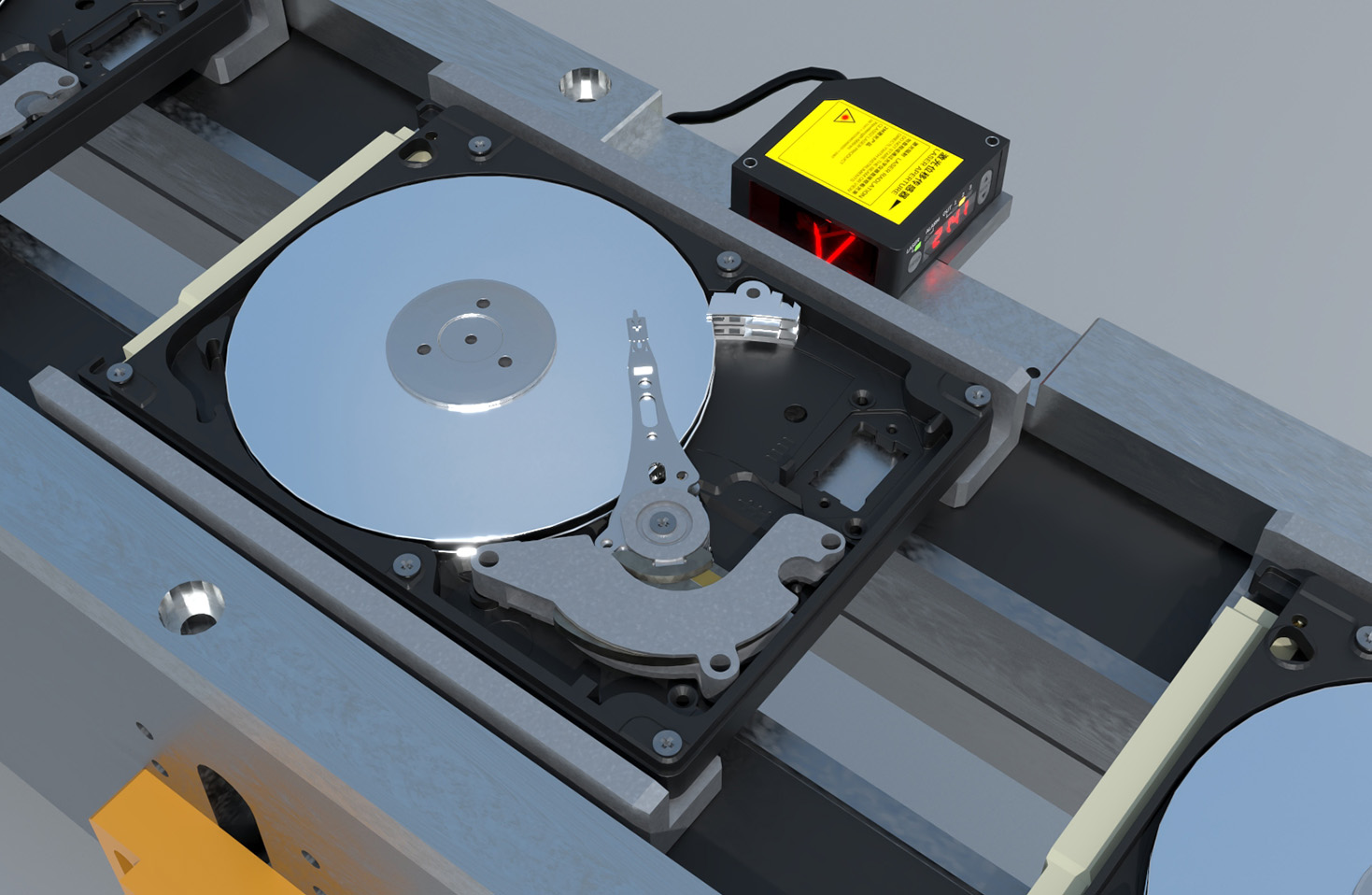
Looking ahead, the integration of 3D laser profilometry with artificial intelligence and machine learning is set to unlock even greater potential. AI algorithms can be trained on vast datasets of 3D profiles to not only detect defects but also predict process deviations and recommend corrective actions, moving towards predictive quality control. As sensor technology continues to advance, becoming faster, more compact, and more cost-effective, its adoption will broaden, solidifying its role as an indispensable tool for building the smart, agile, and quality-driven factories of the future.