In the realm of industrial automation, position sensors and proximity switches are indispensable components that ensure precision, safety, and efficiency. These devices play a critical role in detecting the presence, absence, or position of objects without physical contact, thereby minimizing wear and tear and enhancing system reliability. This article delves into the principles, types, and applications of these sensors, providing insights for engineers and technicians in the electrical and automation fields.
Position sensors are designed to measure the linear or angular displacement of an object relative to a reference point. They convert mechanical motion into electrical signals, which can be processed by control systems to monitor and adjust operations. Common types include potentiometric sensors, linear variable differential transformers (LVDTs), and encoders. Potentiometric sensors use a resistive element to provide a voltage output proportional to position, making them simple and cost-effective for many applications. LVDTs, on the other hand, offer high accuracy and durability by utilizing electromagnetic induction to detect linear movement. Encoders, including incremental and absolute variants, are widely used in rotary applications to provide precise angular position feedback, essential in robotics and CNC machinery.
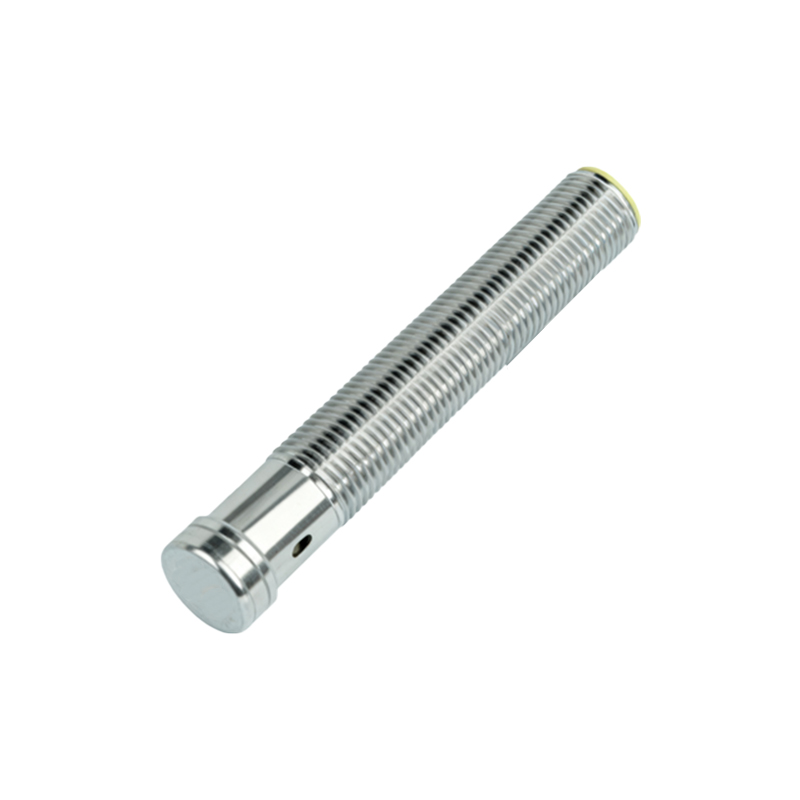
Proximity switches, a subset of position sensors, detect the presence of nearby objects without any physical contact. They operate based on various principles such as inductive, capacitive, ultrasonic, and magnetic sensing. Inductive proximity switches are commonly used for detecting metallic objects. They generate an electromagnetic field and sense changes caused by metallic targets, making them ideal for harsh industrial environments where dust, oil, or moisture is present. Capacitive proximity switches can detect both metallic and non-metallic materials by measuring changes in capacitance. They are suitable for applications involving liquids, plastics, or granular materials. Ultrasonic proximity switches use sound waves to determine distance and are effective in detecting objects regardless of material composition. Magnetic proximity switches, often employing reed switches or Hall effect sensors, are used for sensing magnetic fields, commonly in safety interlocks or position verification in cylinders.
The selection of an appropriate sensor depends on factors such as the target material, required sensing range, environmental conditions, and response time. For instance, in automotive assembly lines, inductive proximity switches are preferred for detecting metal parts due to their robustness and fast response. In food processing, capacitive sensors might be chosen to monitor plastic containers without contamination risks. Engineers must also consider output types (e.g., digital, analog, or IO-Link), mounting configurations, and compliance with industry standards like IEC 60947-5-2 for proximity switches.
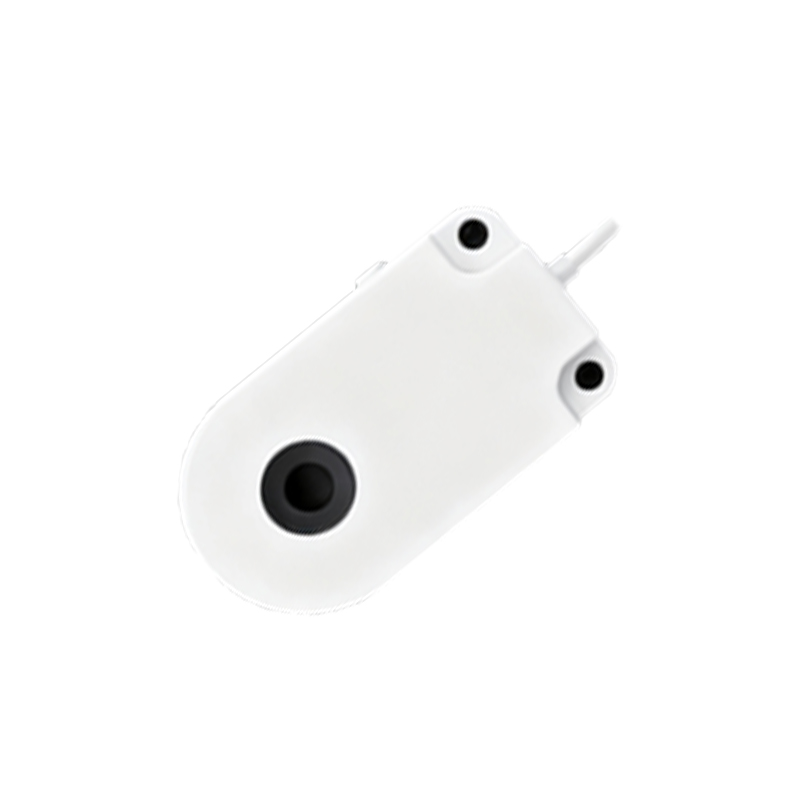
Applications of position sensors and proximity switches span across diverse industries. In manufacturing, they enable precise control of conveyor belts, robotic arms, and packaging machines. In aerospace, LVDTs and encoders ensure accurate positioning of flight control surfaces. The energy sector relies on these sensors for monitoring valve positions in pipelines or turbine blades in power plants. Additionally, safety systems use proximity switches to prevent accidents by detecting human presence in hazardous zones.
Maintenance and calibration are crucial for long-term performance. Regular checks for sensor alignment, cleanliness, and signal integrity can prevent downtime. Advances in technology, such as the integration of IoT capabilities, allow for predictive maintenance by monitoring sensor health in real-time. Smart sensors with self-diagnostic features are becoming increasingly popular, reducing troubleshooting time and improving overall system efficiency.
In conclusion, position sensors and proximity switches are foundational to modern industrial automation. Their ability to provide accurate, non-contact detection enhances operational efficiency and safety. As industries evolve towards smarter and more connected systems, the role of these sensors will only grow, driven by innovations in materials, electronics, and communication protocols. Engineers should stay updated with emerging trends to leverage these tools effectively in their projects.