In the global industrial automation and control systems market, proximity sensors are indispensable components, enabling non-contact detection of objects and serving as critical inputs for machinery safety, positioning, and process control. For manufacturers and exporters, navigating the complex landscape of international classification standards is not merely a regulatory hurdle but a fundamental requirement for market access, safety compliance, and competitive advantage. This article delineates the primary classification standards governing the export of proximity sensors, focusing on technical, safety, and regional regulatory frameworks.
The most fundamental classification stems from the underlying sensing technology. This primary categorization is crucial for specifying the right sensor for an application and is universally recognized.
1. Inductive Proximity Sensors: These sensors detect metallic objects (ferrous and non-ferrous) by generating an electromagnetic field. A change in the field caused by a metallic target triggers the output. They are classified further by their housing shape (cylindrical, rectangular, block), sensing distance (standard, factor 1, factor 2), output type (NPN/PNP, NO/NC), and shielding (shielded/unshielded). Key performance specs include nominal sensing distance (Sn), repeatability, hysteresis, and switching frequency.
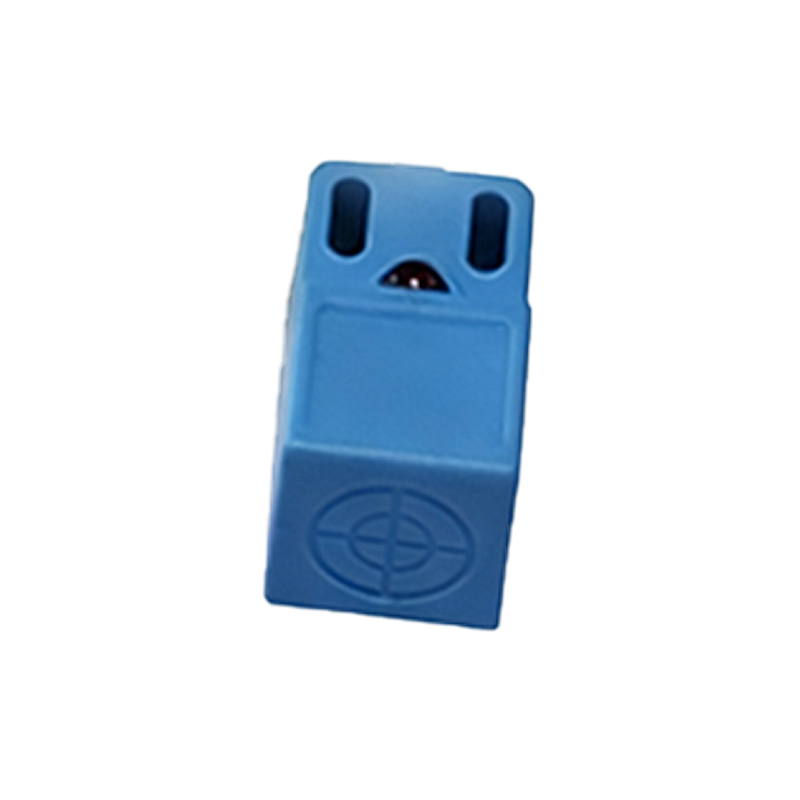
2. Capacitive Proximity Sensors: Capable of detecting both metallic and non-metallic materials (liquids, plastics, wood), these sensors work by measuring changes in capacitance. They are classified similarly to inductive types but often feature sensitivity adjustment potentiometers. They are essential in industries like packaging, food processing, and level detection.
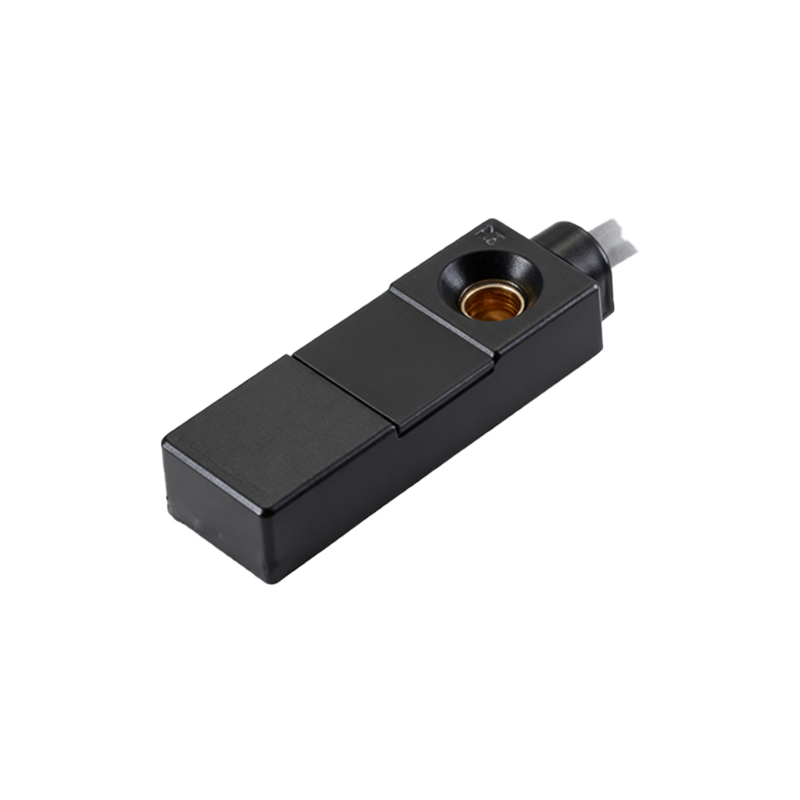
3. Ultrasonic Proximity Sensors: These use sound waves to detect objects and measure distance. Classification is based on operating principle (echo-based or through-beam), sensing range, beam angle, output type (analog 4-20mA/0-10V, switching), and material compatibility. They excel in harsh environments where optical sensors might fail.
4. Photoelectric Sensors: While often considered a separate category, they function as proximity devices. They are classified by operating mode (diffuse reflective, retro-reflective, through-beam), light source (LED, laser), and output configuration. Specialized versions include background suppression and color contrast sensors.
Beyond technology, safety and performance standards form the most critical layer of classification for export. Compliance is often mandatory.
IEC/EN 60947-5-2: This is the paramount international (IEC) and European (EN) standard for "Low-voltage switchgear and controlgear - Part 5-2: Control circuit devices and switching elements - Proximity switches." It defines essential characteristics like rated operational voltage/current, utilization category (e.g., AC-12, DC-13), degree of protection (IP code), and specifies testing procedures for durability, electrical strength, and EMC (Electromagnetic Compatibility). An exported sensor bearing the CE mark for the EU market must comply with the relevant EN standards, which are harmonized with IEC norms.
IEC/EN 60529 (IP Code): The Ingress Protection code classifies the degree of protection against solid objects and liquids. For export, especially to outdoor or washdown applications (e.g., food & beverage), specifying IP67 (dust-tight and protected against temporary immersion) or IP69K (protected against high-pressure, high-temperature washdown) is a key differentiator.
UL / cUL Standards: For the North American market, Underwriters Laboratories (UL) and the Canadian equivalent (cUL) standards are vital. UL 508 (Industrial Control Equipment) is commonly applicable. Sensors listed to these standards have been tested for safety hazards like fire and electric shock.
EMC Directives: Compliance with Electromagnetic Compatibility standards (e.g., IEC/EN 61000-6-2 for industrial immunity, IEC/EN 61000-6-4 for emissions) is a non-negotiable classification for most global markets, ensuring the sensor does not interfere with other equipment and is not itself susceptible to interference.
Regional and Application-Specific Classifications further segment the export landscape.
ATEX / IECEx: For sensors destined for use in potentially explosive atmospheres (oil & gas, chemical, mining), certification under the ATEX Directive (2014/34/EU) in Europe or the international IECEx scheme is a strict classification. Sensors are classified by Equipment Group (I for mining, II for surface industries), Category (1, 2, 3 defining the level of protection), and Gas/Dust groups and temperature classes.
FDA / USP Class VI: Proximity sensors used in pharmaceutical or food processing machinery that may have incidental contact with products often require specific material certifications. Components compliant with FDA (U.S