In the intricate world of industrial automation and control systems, the selection of a proximity sensor supplier is a critical decision that impacts operational efficiency, safety, and long-term cost. As a seasoned electrical engineer, I am often asked, "Which proximity sensor supplier is the best?" The answer, unsurprisingly, is not a single name but a framework for evaluation. The "best" supplier depends entirely on your specific application requirements, performance expectations, and operational environment. This guide will dissect the key factors to consider, moving beyond brand names to the core attributes that define excellence in this field.
First and foremost, technical specifications are the non-negotiable starting point. A superior supplier offers a comprehensive and transparent datasheet. Key parameters include sensing distance (nominal and real), repeat accuracy, response frequency, and housing material (e.g., stainless steel, PBT, nickel-plated brass). For inductive sensors, the target material (ferrous vs. non-ferrous) and factor adjustments are crucial. For capacitive sensors, the dielectric constant of the target must be considered. The best suppliers provide detailed application notes and selection tools, helping you match the sensor's capabilities—like IP ratings (IP67, IP69K), temperature ranges, and electrical outputs (PNP/NPN, NO/NC, analog, IO-Link)—precisely to your needs, whether it's for high-speed counting, precise positioning, or harsh washdown environments.
Reliability and durability are the hallmarks of a top-tier supplier. In industrial settings, sensor failure can lead to costly downtime. The best manufacturers invest heavily in quality control, rigorous testing (like shock and vibration resistance), and robust construction. Look for suppliers with a proven Mean Time Between Failures (MTBF) and those whose products carry relevant international certifications (UL, CSA, CE, ATEX for hazardous areas). Consistency in performance batch after batch is a silent indicator of manufacturing excellence. A sensor that performs flawlessly for years in a dusty, humid, or oily environment is worth more than a marginally cheaper alternative that fails prematurely.
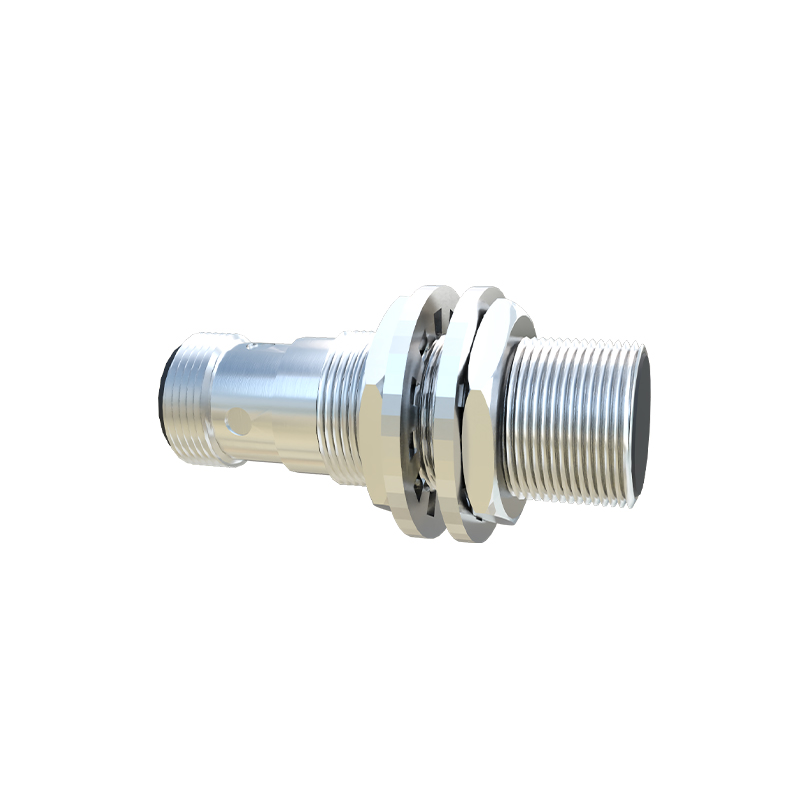
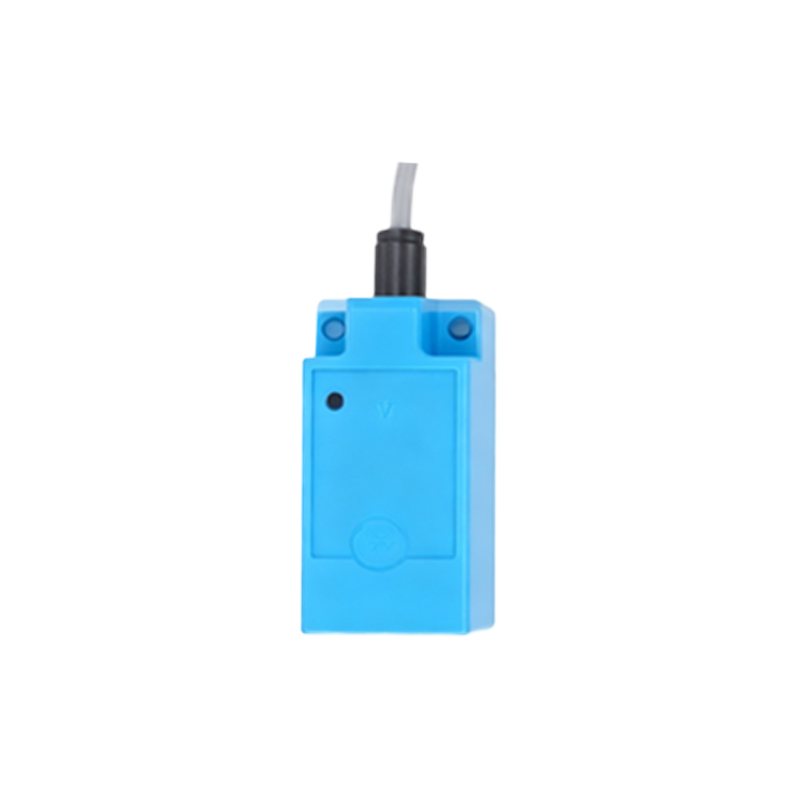
Beyond the product itself, technical support and application engineering are where leading suppliers truly differentiate themselves. The ideal supplier provides more than just a catalog. They offer accessible, knowledgeable support engineers who can troubleshoot complex installation issues, advise on electrical noise immunity, or help design a sensing solution for a novel material. Pre-sales consultation is invaluable. Can they help you choose between a cylindrical M12 sensor and a rectangular block style for your space-constrained machine? Do they offer CAD models for easy integration into your design? This level of support minimizes project risk and accelerates implementation.
The total cost of ownership (TCO) is a more insightful metric than the initial unit price. A competitively priced sensor from a supplier with poor availability, long lead times, or no local stock can cripple production during an emergency replacement. Evaluate the supplier's global and local distribution network, inventory management, and lead time consistency. Furthermore, consider the ease of installation and maintenance. Does the sensor have clear LED indicators? Is it tool-less for adjustment? Are the connectors standardized and readily available? A supplier with a broad, compatible portfolio (sensors, connectors, cables) simplifies procurement and reduces long-term logistical costs.
Finally, innovation and future-readiness are critical. Industry 4.0 demands smart sensors. The best suppliers are at the forefront of integrating digital communication protocols like IO-Link, which provides detailed diagnostic data (condition monitoring, parameter setting, process value access) directly to the controller. This transforms a simple switch into a data point for predictive maintenance. A supplier actively developing solutions for IIoT connectivity demonstrates a commitment to evolving with industry trends, protecting your investment.
In conclusion, identifying the best proximity sensor supplier is a multi-dimensional analysis. It involves balancing uncompromising technical performance, proven reliability, exceptional technical support, a sensible total cost of ownership, and a roadmap for innovation. Renowned global brands like Sick, Pepperl+Fuchs, Omron, Balluff, and ifm efector consistently score highly across these categories, but even within their ranges, selection is application-specific. Start with a clear definition of your technical and operational requirements. Then, engage with potential suppliers not just as vendors, but as engineering partners. The right supplier will provide a sensor that you install, forget about, and trust to perform—day in and day out—which is the ultimate mark of quality in our industry.