In the rapidly evolving landscape of industrial automation and smart device integration, sensors play a pivotal role in bridging the physical and digital worlds. Among the diverse array of sensing technologies, the P20 series of light sensors and proximity sensors has established itself as a reliable and versatile solution for numerous applications. This article delves into the technical specifications, operational principles, and practical uses of these sensors, providing a comprehensive overview for engineers and system integrators.
The P20 light sensor is fundamentally designed to detect ambient light intensity. It typically employs a photodiode or phototransistor that generates a current or changes its resistance proportional to the incident light. This analog signal is then conditioned and can be output as a digital signal for easy interfacing with microcontrollers or programmable logic controllers (PLCs). Key performance parameters include spectral response, which is often tuned to match the human eye's sensitivity (photopic response), and a wide dynamic range to function accurately in both dim and brightly lit environments. The integration of an analog-to-digital converter (ADC) on some advanced models simplifies circuit design and enhances noise immunity.
In parallel, the P20 proximity sensor operates on a different principle, commonly utilizing infrared (IR) or laser-based time-of-flight (ToF) technology to detect the presence or absence of an object within a defined range without physical contact. An IR LED emits a beam of light, and a receiver detects the reflection. The sensor logic interprets the reflected signal's intensity or the phase shift (in modulated systems) to determine distance. Key features here include sensing distance, repeatability, response time, and immunity to ambient light interference. Many P20 proximity sensors are equipped with background suppression technology, which allows them to ignore objects beyond a specific focal point, enhancing reliability in complex settings.
The convergence of light sensing and proximity detection in unified modules, sometimes referred to as ambient light and proximity sensors (ALS/PS), is a significant trend. A P20 combo sensor can manage device display brightness based on ambient light while disabling the touchscreen when the device is held near the ear during a call. This dual functionality is achieved through careful optical design, spectral filtering, and sophisticated algorithms to crosstalk between the two sensing channels.
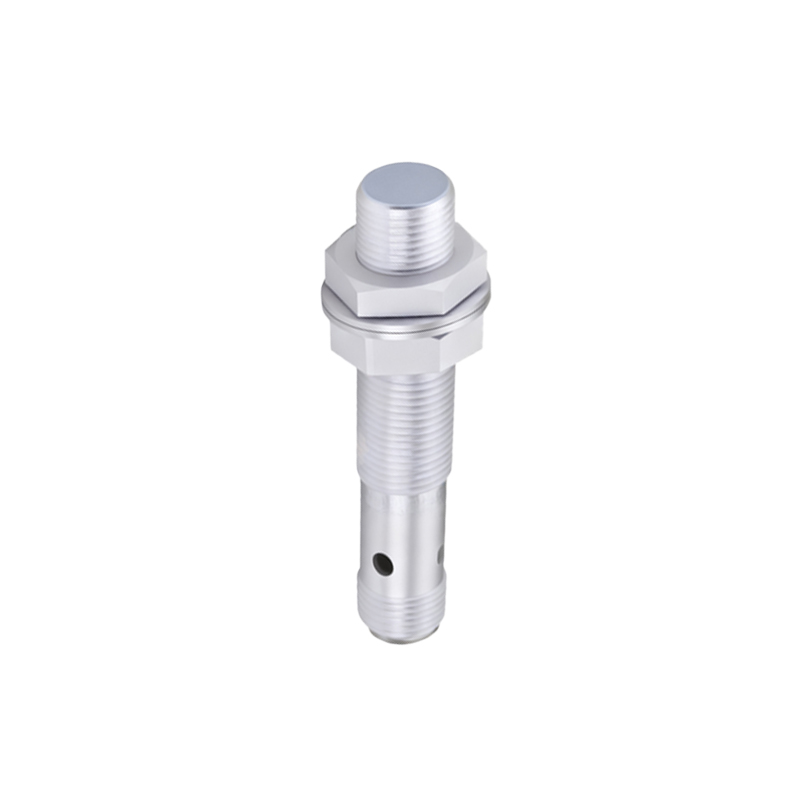
From an application standpoint, the utility of P20 sensors is vast. In industrial automation, P20 proximity sensors are indispensable for object detection on conveyor belts, part positioning in assembly robots, and end-of-travel limit switching. Their robust housing, often rated at IP67 or higher, ensures reliable operation in harsh conditions with dust, moisture, or vibration. The light sensors find critical roles in energy management systems, automatically adjusting the brightness of industrial HMI panels or facility lighting to optimize power consumption and improve operator comfort.
In the consumer electronics domain, these sensors are ubiquitous. Smartphones, tablets, and laptops use them for display brightness control and power saving. Automotive interiors utilize them for automatic dashboard dimming and proximity-based activation of touchscreens or trunk lids. Furthermore, in the burgeoning Internet of Things (IoT), P20 sensors enable smart environmental monitoring, contributing data on light levels for smart agriculture or building management systems.
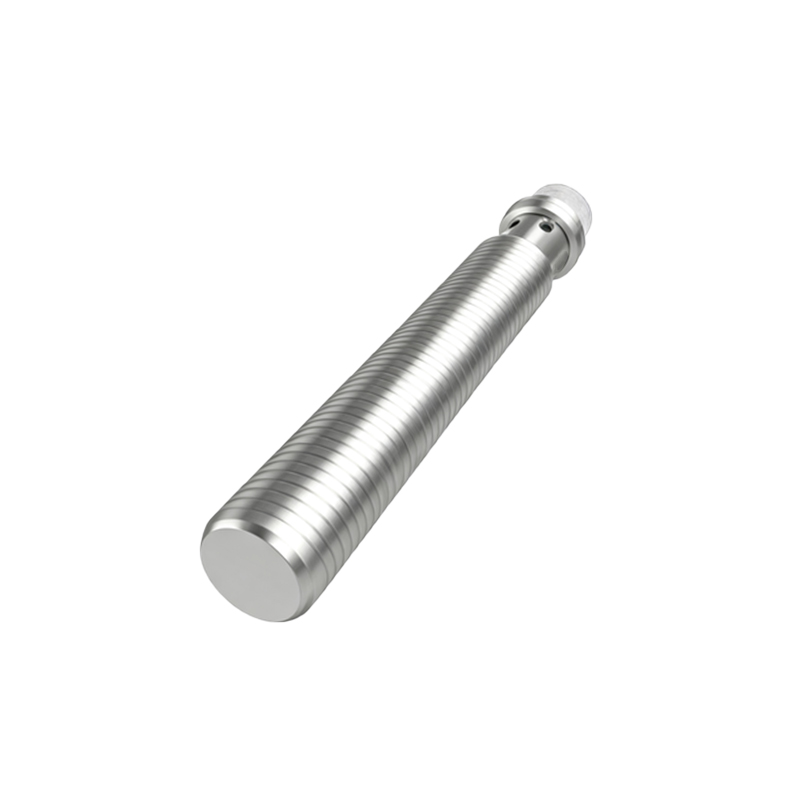
Selecting the appropriate P20 sensor requires careful consideration of several factors. Engineers must evaluate the required sensing range, accuracy, output type (digital I2C/SPI or analog voltage/current), supply voltage, package size, and environmental ratings. Understanding the target material's reflectivity, color, and surface texture is crucial for proximity sensors, as these factors directly impact performance. Similarly, for light sensors, the spectral characteristics of the light source (e.g., sunlight vs. LED) must align with the sensor's response curve.
Installation and calibration are final, critical steps. Proper mounting alignment, avoiding sensor contamination, and minimizing optical interference from other light sources are essential for optimal performance. Many digital P20 sensors offer programmable thresholds and interrupt functions, reducing the continuous polling load on the host processor.
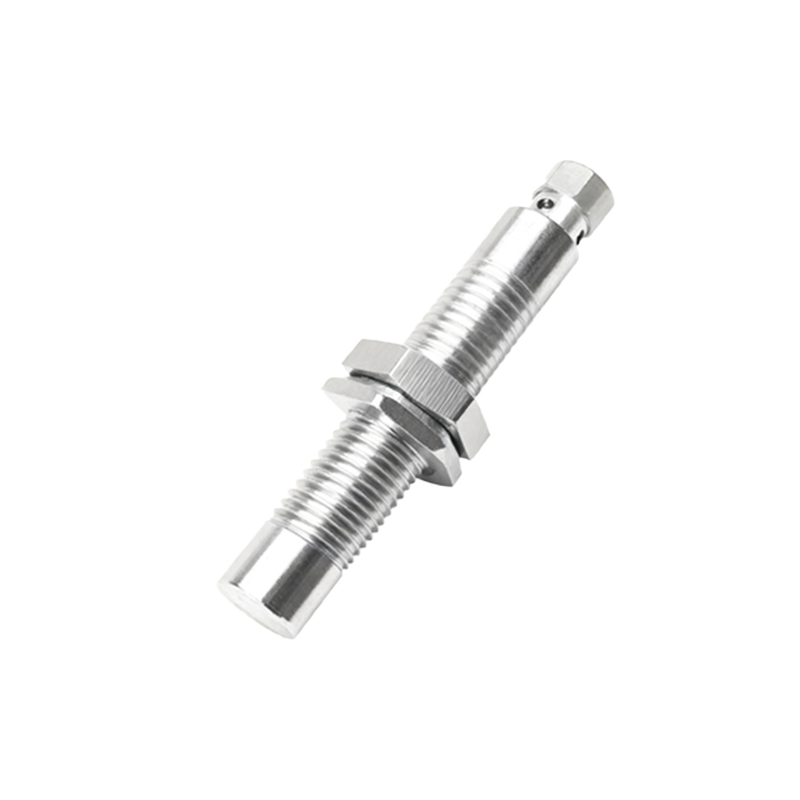
In conclusion, the P20 family of light and proximity sensors represents a mature yet continuously improving technology. Their design balances sensitivity, reliability, and integration ease, making them fundamental components in modern electronic systems. As industries push towards greater efficiency and intelligence, the demand for precise, robust, and multifunctional sensing solutions like the P20 series will only continue to grow, driving further innovation in embedded sensing technology.