In the rapidly evolving landscape of industrial automation, the role of high-quality proximity sensors is paramount. These non-contact detection devices are fundamental to enhancing efficiency, ensuring safety, and enabling precision in countless applications across manufacturing, automotive, packaging, and material handling sectors. Unlike mechanical limit switches, proximity sensors detect the presence or absence of an object without physical contact, thereby eliminating wear and tear and significantly increasing operational lifespan and reliability.
The core technology behind these sensors varies, primarily categorized into inductive, capacitive, and photoelectric types. Inductive proximity sensors are the workhorses for detecting metallic objects. They generate an electromagnetic field and react to eddy current losses caused by a metallic target entering the field. Renowned for their robustness and insensitivity to non-metallic contaminants like dust or oil, they are indispensable in harsh industrial environments such as metal machining and robotic assembly lines. High-quality inductive sensors offer exceptional repeat accuracy, often within micrometers, and are available in shielded or unshielded designs to suit different mounting constraints.
Capacitive proximity sensors, on the other hand, can detect both metallic and non-metallic materials, including liquids, plastics, glass, and wood. They function by measuring changes in capacitance caused by a target altering the sensor's electrostatic field. This versatility makes them ideal for applications like liquid level detection, material presence verification on conveyor belts, or detecting filled packages. Premium capacitive sensors feature adjustable sensitivity to fine-tune detection thresholds and ignore background interference, a critical feature for complex material handling tasks.
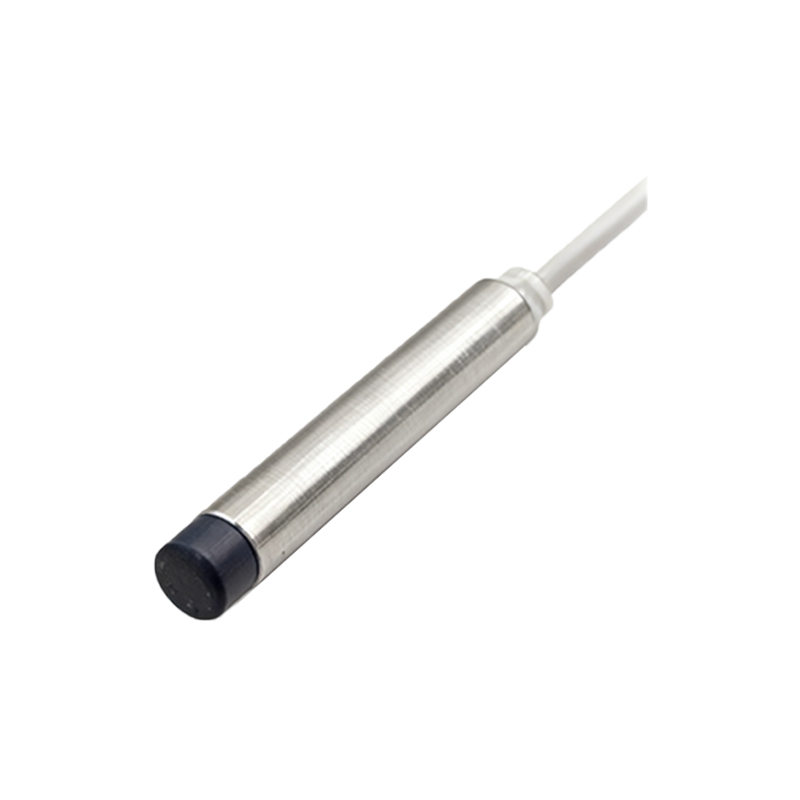
Photoelectric sensors utilize light beams, typically infrared, visible red, or laser, to detect objects. They offer the longest sensing ranges among proximity sensors and are highly effective for detecting small or color-differentiated items. The three main operating modes—through-beam, retro-reflective, and diffuse—provide solutions for diverse scenarios, from transparent bottle detection on high-speed fill lines to precise positioning in automated storage and retrieval systems. Superior photoelectric sensors incorporate advanced features like background suppression, which allows them to detect an object while ignoring reflections from surfaces farther away, and precise beam alignment indicators for easy setup.
The designation "high-quality" in proximity sensors transcends basic functionality. It encompasses a suite of characteristics critical for demanding industrial use. First is exceptional environmental resilience. Top-tier sensors boast high Ingress Protection (IP) ratings, such as IP67 or IP69K, ensuring reliable operation despite exposure to water, coolants, cutting fluids, and pervasive dust. They are built to withstand significant mechanical shock and vibration, common in heavy machinery. Electrical robustness is equally vital, with features like short-circuit protection, reverse polarity protection, and immunity to electromagnetic interference (EMI) preventing downtime from electrical faults.
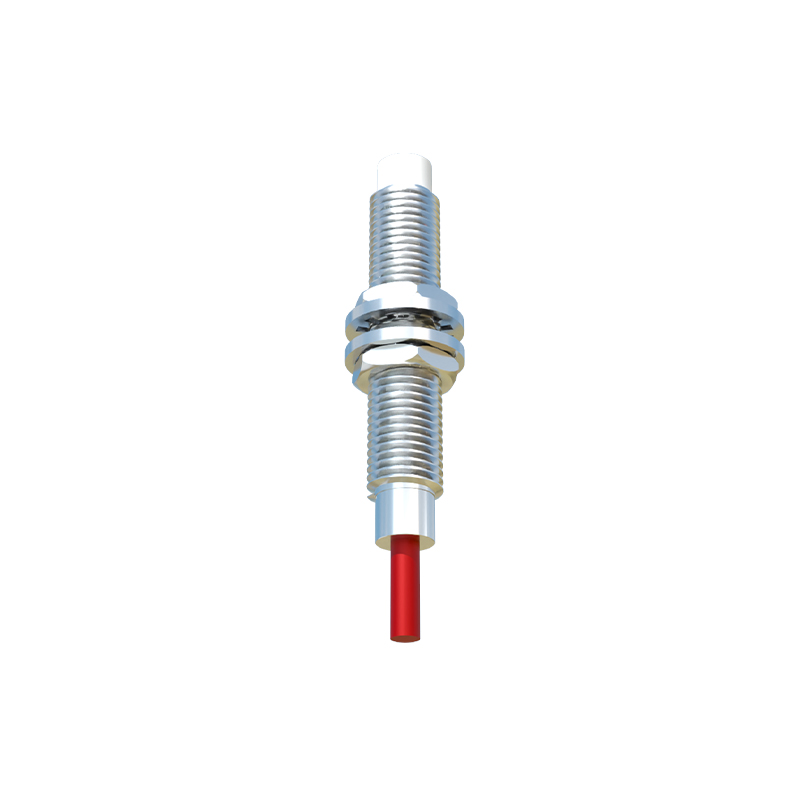
Output configuration and connectivity are also key differentiators. Modern high-quality sensors offer various output types, including NPN, PNP, Analog (4-20mA, 0-10V), and IO-Link digital communication. IO-Link, in particular, represents a leap forward, transforming a simple sensor into a smart device capable of transmitting detailed process data, enabling remote parameter setting, and facilitating predictive maintenance. This digital intelligence allows for continuous monitoring of sensor health and process variables, moving beyond simple binary detection.
Selecting the right high-quality proximity sensor requires careful analysis of the application. Engineers must consider the target material, required sensing distance, environmental conditions, required response speed, electrical specifications, and physical size constraints. A sensor chosen correctly will deliver millions of reliable operations, contributing directly to reduced machine downtime, lower maintenance costs, and improved overall equipment effectiveness (OEE).
In conclusion, high-quality proximity sensors are not mere components; they are the sensory organs of automated systems. Their non-contact nature, combined with rugged construction, precise detection capabilities, and evolving smart features, makes them foundational to the Fourth Industrial Revolution. Investing in sensors from reputable manufacturers that adhere to international standards is not an expense but a strategic decision for building resilient, efficient, and intelligent automation infrastructure capable of meeting the challenges of modern production.