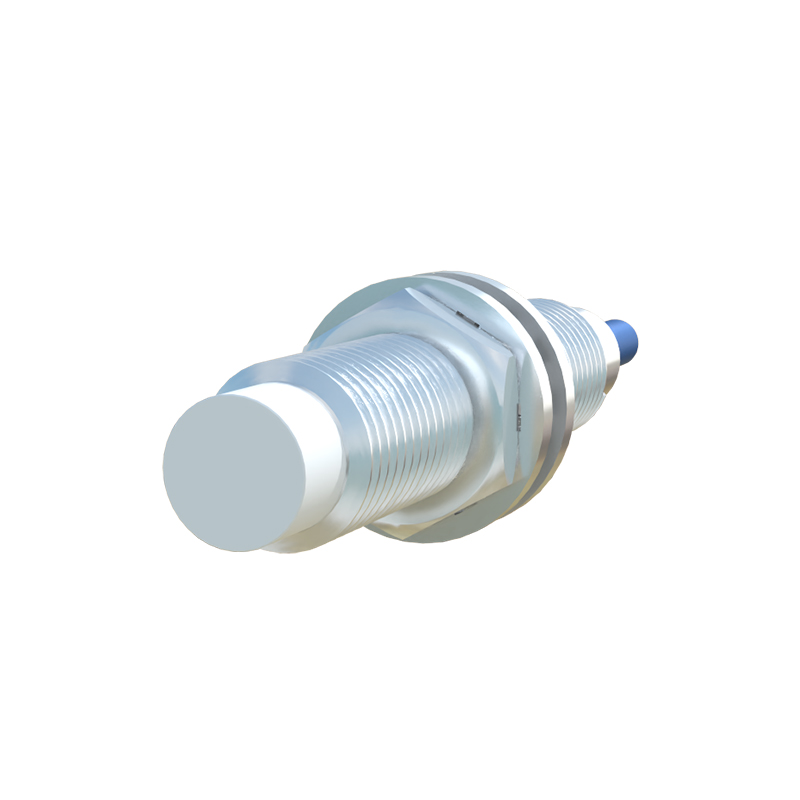
Infrared proximity sensors have become indispensable components in a wide array of industrial and commercial applications. Their ability to detect the presence, absence, or distance of an object without physical contact makes them a cornerstone of automation, safety, and efficiency. The "style" of an infrared proximity sensor refers not just to its physical form factor, but to its operational principle, output type, and intended application environment. Understanding these variations is crucial for engineers and system designers to select the optimal sensor for their specific needs.
The most fundamental distinction lies in the operational style: diffuse, retro-reflective, and through-beam. Diffuse style sensors, often called proximity sensors, house both the infrared emitter and receiver in a single unit. They detect objects by measuring the amount of light reflected back from the target. Their operation is simple and installation is straightforward, as they only require wiring on one side. However, their sensing range and performance can be influenced by the color, texture, and material of the target object. Light-colored, reflective objects are detected at longer ranges than dark, absorbent ones. These are commonly used for object detection on conveyor belts, bottle counting, and level detection in bins.
Retro-reflective style sensors also contain both emitter and receiver in one housing, but they rely on a separate reflector, typically a prismatic tape or a specialized mirror, placed opposite the sensor. The sensor emits a beam that bounces off the reflector and returns to the receiver. An object interrupting this beam is detected. This style offers a longer sensing range than the diffuse type and is less sensitive to the object's surface properties, as it only needs to break the beam. They are ideal for detecting transparent objects, like glass or plastic bottles, and for applications requiring detection over a consistent, longer distance, such as door control or pallet positioning.
The through-beam style, sometimes called a photoelectric barrier, employs two separate units: an emitter and a receiver facing each other. Detection occurs when an object breaks the beam traveling between them. This style provides the longest possible sensing range, the highest reliability, and is virtually unaffected by the object's color, finish, or angle. It is the preferred choice for critical safety applications (e.g., light curtains on machinery), high-speed counting, and detecting very small objects. The main drawback is the need to install and align two separate devices, which can be more complex and costly.
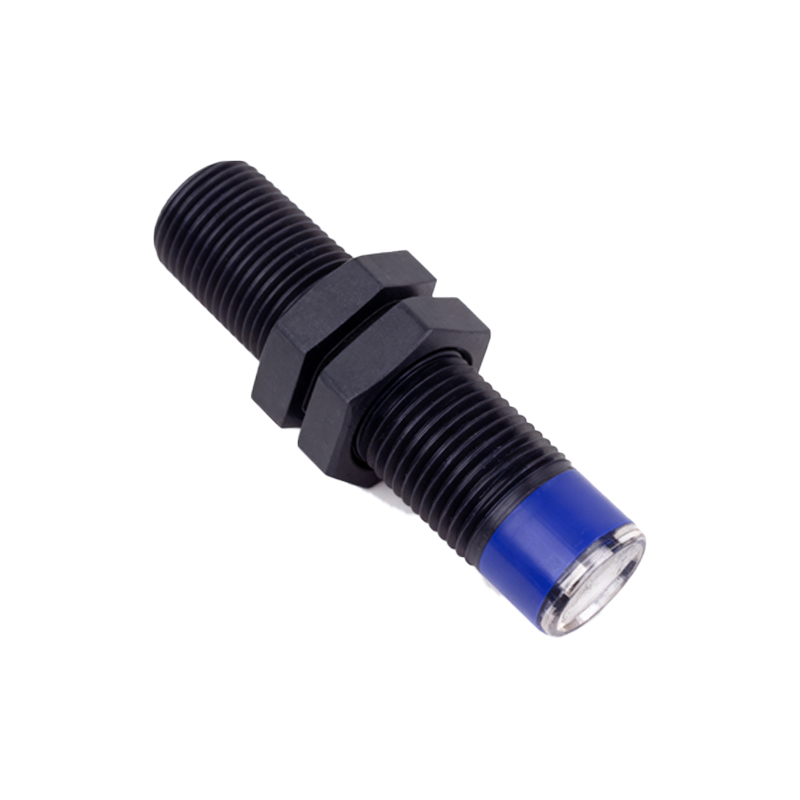
Beyond the basic styles, the physical form factor is another critical aspect. Cylindrical metal or plastic housings are ubiquitous, available in various diameters (e.g., M8, M12, M18, M30) to suit different mounting needs and space constraints. Rectangular or block-style sensors offer a larger sensing face or integrated features like background suppression technology. Miniature and subminiature styles are essential for electronics assembly, medical devices, and robotics where space is at a premium. Some sensors feature built-in amplifiers with adjustable sensing ranges and output configurations (PNP/NPN, analog, IO-Link), while others use separate amplifier units connected via cables.
The output style is equally important. Digital (on/off) outputs are standard for presence detection. Analog outputs (0-10V, 4-20mA) provide a continuous signal proportional to the distance, enabling precise positioning or thickness measurement. Modern sensors increasingly feature IO-Link communication, a point-to-point serial protocol that allows for detailed parameter setting, advanced diagnostics, and process data exchange, integrating seamlessly into Industry 4.0 and smart factory frameworks.
Environmental styling is paramount for reliability. Sensors designed for harsh environments feature robust housings with high IP (Ingress Protection) ratings (e.g., IP67, IP69K) to withstand dust, water jets, and washdowns common in food & beverage or pharmaceutical plants. Models with specialized optics resist buildup from steam, foam, or condensation. For high-temperature applications near ovens or furnaces, sensors with extended temperature ratings are available.
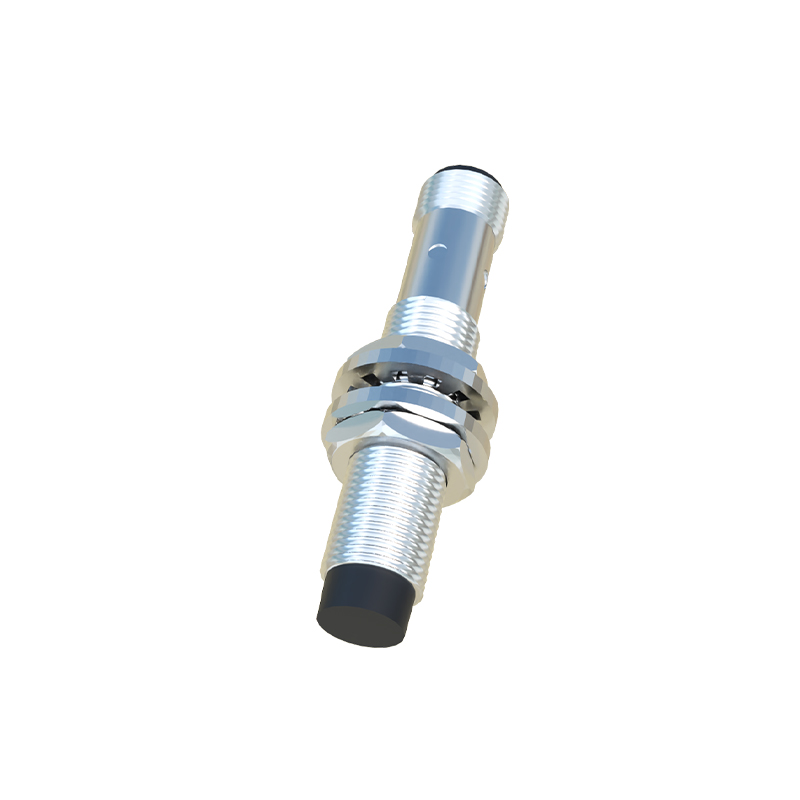
In conclusion, the "style" of an infrared proximity sensor encompasses a holistic set of characteristics: its detection principle, physical design, output functionality, and environmental robustness. From the compact diffuse sensor on a robotic gripper to the long-range through-beam system guarding a robotic cell, each style serves a distinct purpose. The engineer's task is to match these styles—operational, physical, and electrical—to the application's demands for range, target material, environmental conditions, and required data. This careful selection ensures system reliability, longevity, and performance, driving efficiency and innovation across modern industrial landscapes.